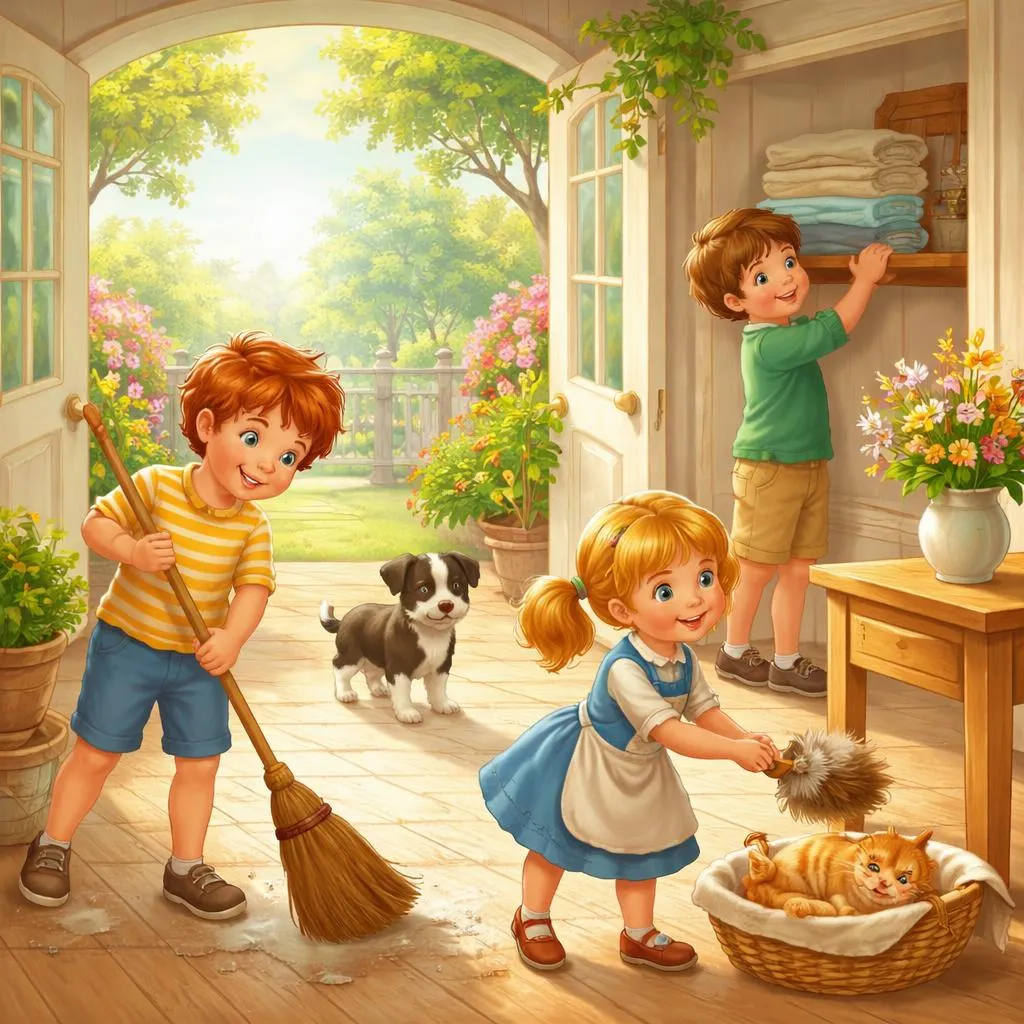

Summer fading, winter comes—
Frosty mornings, tingling thumbs,
Window robins, winter rooks,
And the picture story-books.
Water now is turned to stone
Nurse and I can walk upon;
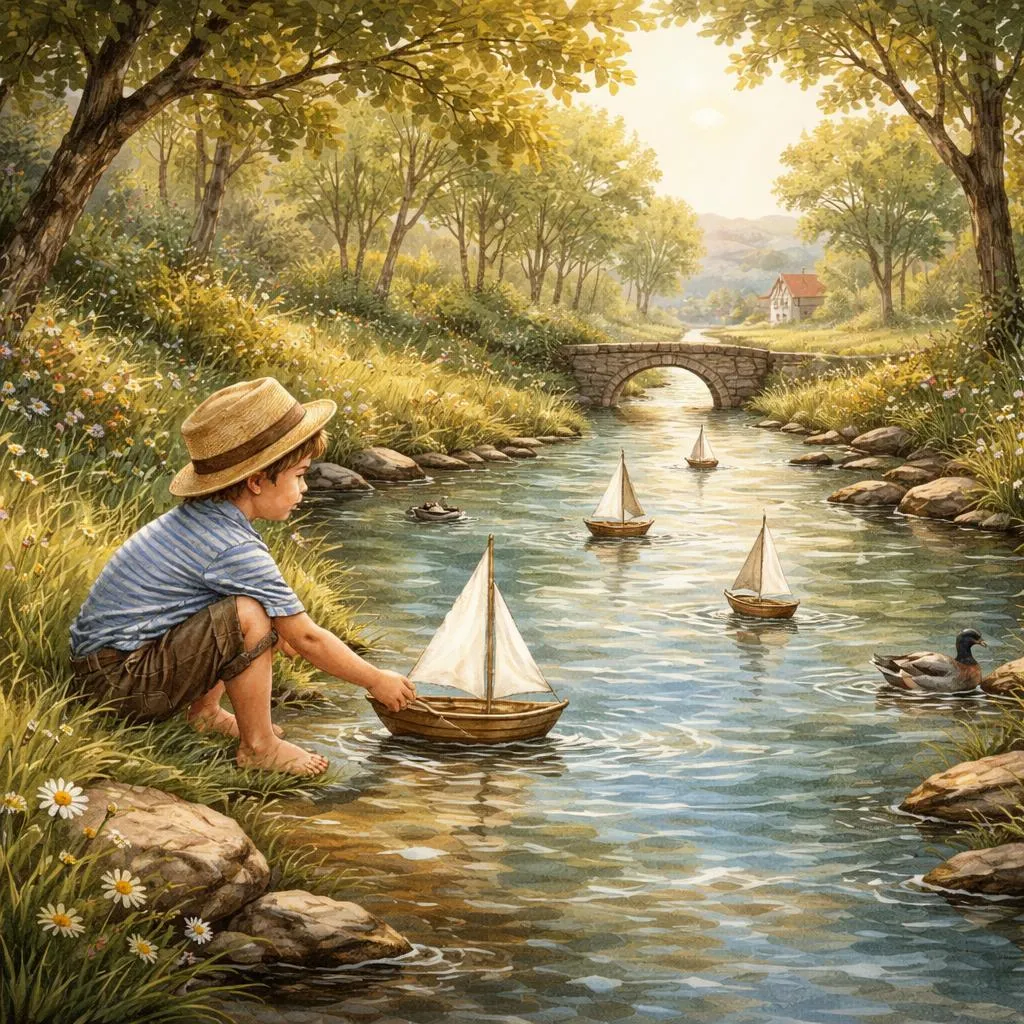
Still we find the flowing brooks
In the picture story-books.
All the pretty things put by,
Wait upon the children’s eye,
Sheep and shepherds, trees and crooks,
In the picture story-books.
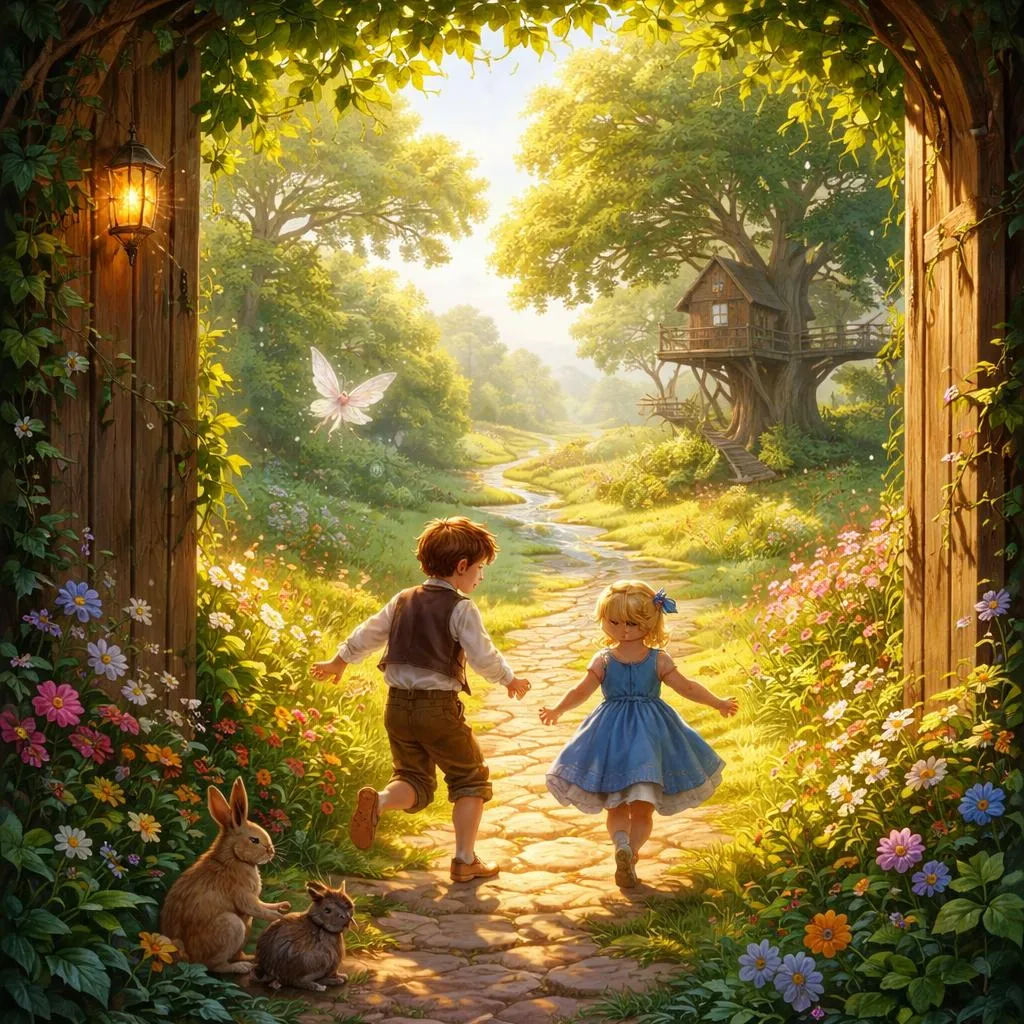
We may see how all things are
Seas and cities, near and far,
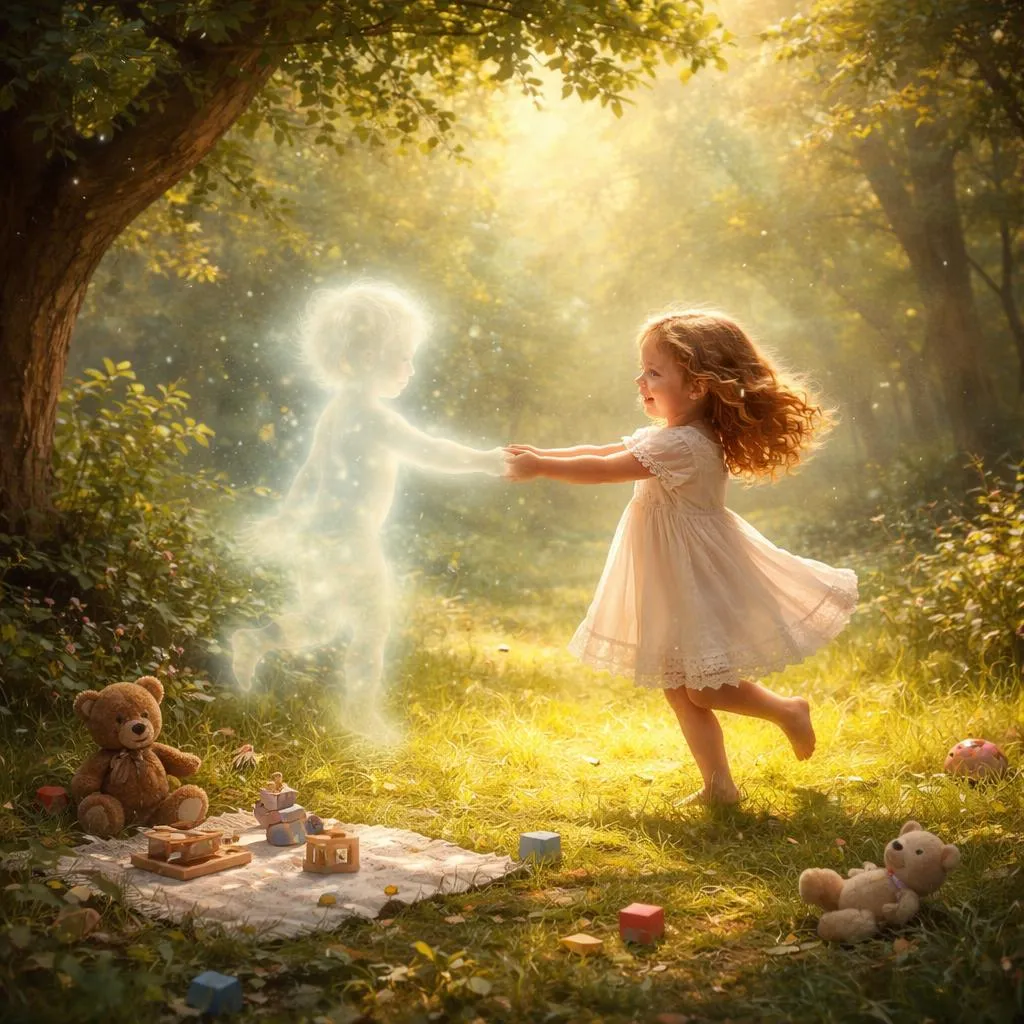
And the flying fairies’ looks,
In the picture story-books.
How am I to sing your praise,
Happy chimney-corner days,
Sitting safe in nursery nooks,
Reading picture story-books?
Background of the Poem
This poem, often found in classic collections of children’s literature, beautifully captures the magic and comfort of reading picture story-books during the colder months of the year. It was written by a poet who cherished the simple joys of childhood and the imaginative worlds that books can open up, especially when the outside world is cold and still. The poem reflects a time when children would gather indoors, by the fireside or in cozy nooks, to explore stories through vivid illustrations and words.
About the Author
The author of this poem was a beloved children's poet known for celebrating the innocence and wonder of childhood. Through their work, they encouraged young readers to find joy in stories, nature, and imagination. Their writing style is gentle and rhythmic, making it accessible and enjoyable for children of all ages.
Detailed Interpretation and Meaning
This poem invites readers into a world where the changing seasons bring a shift from outdoor play to indoor storytelling. The "frosty mornings" and "water turned to stone" symbolize winter's arrival, a time when nature seems to pause. Yet, the poem reveals that even when the world outside is frozen, the imagination remains alive and flowing through the pages of picture story-books.
The poem highlights how books act as windows to many worlds—filled with animals like "sheep and shepherds," magical beings like "flying fairies," and distant places such as "seas and cities." These stories provide warmth and companionship, turning cold days into happy "chimney-corner days."
What Children and Students Can Learn
-
The Power of Imagination: The poem encourages children to use their imagination to explore beyond the physical world. Even when stuck indoors, books can take them on adventures to faraway lands and magical realms.
-
Appreciation of Nature and Seasons: By mentioning seasonal changes, the poem teaches children to observe and appreciate the natural world around them, understanding how seasons affect daily life.
-
Value of Quiet Time and Reading: It promotes the habit of reading as a joyful and comforting activity, especially during times when outdoor play is limited.
-
Connection and Comfort: The poem shows how stories can provide emotional warmth and a sense of security, important for children’s emotional development.
Applying These Lessons in Daily Life
-
In Learning: Students can use stories to enhance their vocabulary and comprehension skills. They learn to visualize scenes and characters, which aids in creative thinking and writing.
-
In Social Settings: Sharing stories can be a way to connect with friends and family, fostering communication skills and empathy by understanding different perspectives.
-
In Personal Growth: Reading about different characters and situations helps children develop problem-solving skills and resilience by seeing how others face challenges.
Cultivating Positive Values and Behaviors
-
Curiosity and Exploration: Encourage children to ask questions about the stories they read and to explore new books regularly.
-
Patience and Focus: Reading requires concentration, helping children build these important skills.
-
Empathy and Kindness: Stories often teach morals and values, which children can practice in real life by being kind and understanding towards others.
-
Creativity: Drawing or acting out scenes from story-books can deepen engagement and foster creative expression.
By embracing the magic of picture story-books, children can find joy and learning even on the coldest days. This poem not only celebrates the stories themselves but also the special moments they create—moments of warmth, discovery, and imagination that stay with us throughout life.