
Great is the sun, and wide he goes Through empty heaven with repose; And in the blue and glowing days More thick than rain he showers his rays. Though closer still the blinds we pull To keep the shady parlour cool, Yet he will find a chink or two To slip his golden fingers through. The dusty attic spider-clad He, through the keyhole, maketh glad; And through the broken edge of tiles Into the laddered hay-loft smiles. Meantime his golden face around He bares to all the garden ground, And sheds a warm and glittering look Among the ivy’s inmost nook. Above the hills, along the blue, Round the bright air with footing true, To please the child, to paint the rose, The gardener of the World, he goes.
Introduction to the Poem
This beautiful poem celebrates the sun and its journey across the sky, shining light and warmth on everything it touches. Written in a gentle and vivid way, it invites readers to imagine the sun as a gardener of the world, painting flowers and bringing happiness to children and nature alike.
Background and Author Introduction
This poem was written by Francis Thompson, a 19th-century English poet known for his spiritual and nature-inspired works. Thompson’s poetry often reflects a deep appreciation for the natural world and the small wonders within it. His work encourages readers to notice the beauty around them and to find joy in everyday moments.
Detailed Interpretation and Meaning
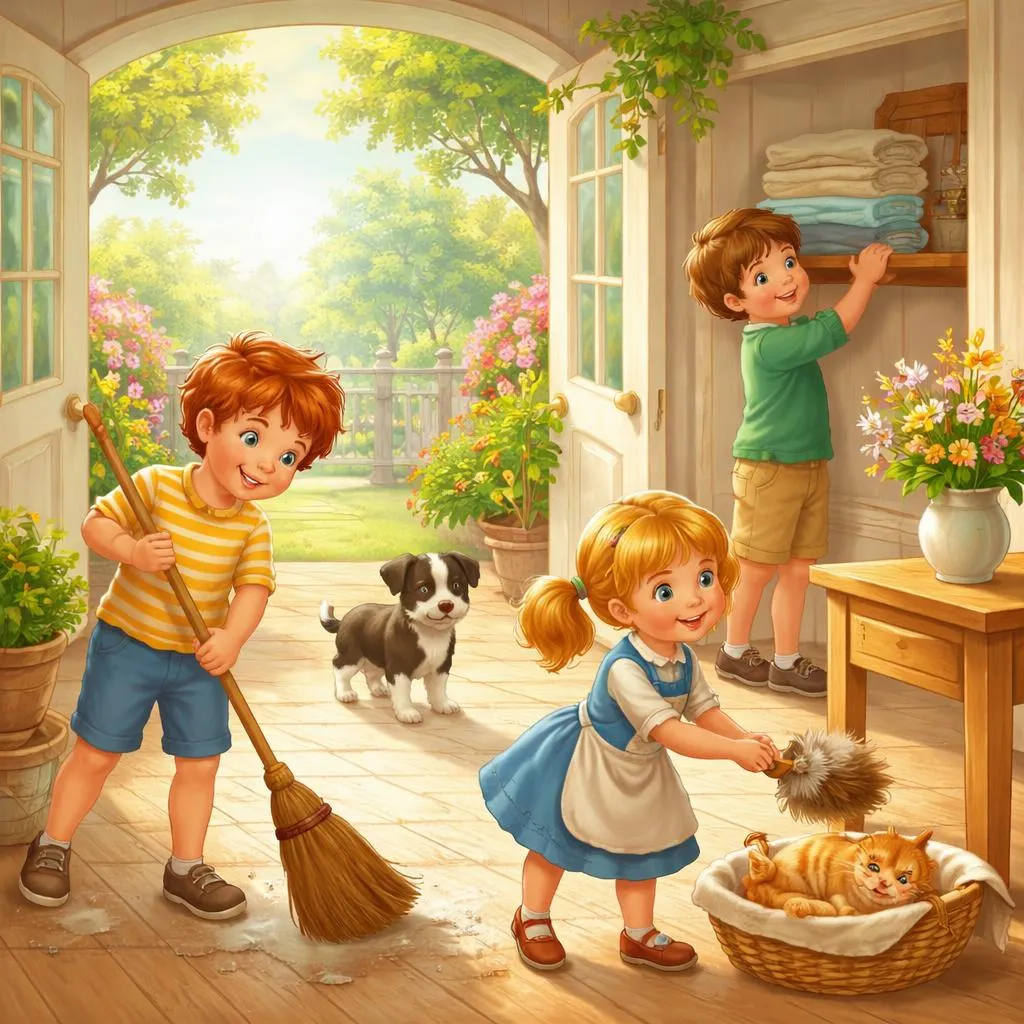
The poem describes the sun’s path through the sky as calm and wide, spreading its rays like a gentle shower. Even when people try to block the sun’s light by closing blinds, it still finds a way to sneak through cracks and brighten hidden corners of a house. The sun brings cheer to dusty, forgotten places like an attic and smiles through broken tiles into a hayloft. Outside, it shines warmly on gardens and ivy-covered walls, nurturing life and beauty.
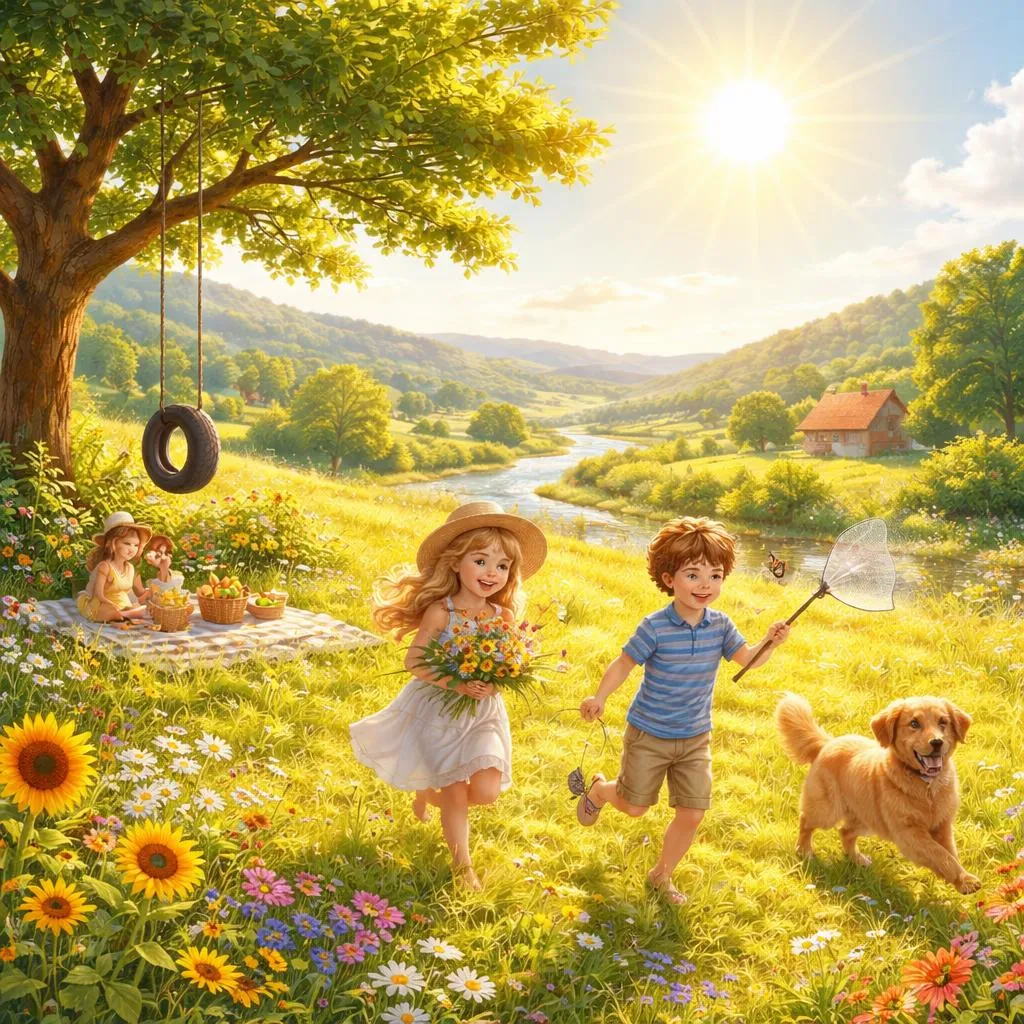
The sun is portrayed as a caring gardener who travels above hills and through the air, painting roses and pleasing children with its golden light. This imagery suggests that the sun is a life-giving force, quietly working to make the world a better place.
What Children and Students Can Learn
-
Appreciation of Nature: The poem encourages young readers to observe and appreciate the natural world around them. Noticing how sunlight touches different parts of their environment can help children develop a sense of wonder and respect for nature.
-
Curiosity and Observation: The detailed descriptions invite children to look closely at everyday things, like how light enters a room or how plants grow in a garden. This skill of careful observation is valuable in science and learning in general.
-
Patience and Positivity: Just as the sun patiently shines everywhere, even in hidden places, children can learn to be persistent and positive in their own efforts, understanding that small actions can bring light and happiness.
-
Imagination and Creativity: The poem’s personification of the sun as a gardener inspires children to use their imagination to see the world in new and creative ways.
Applying These Lessons in Life
-
In Learning: Students can practice observing their surroundings during science lessons or outdoor activities, noting how sunlight affects plants or changes the environment throughout the day.
-
In Social Situations: Just like the sun brings warmth and light to all, children can learn to be kind and inclusive, spreading positivity among friends and classmates.
-
In Personal Growth: The poem teaches the importance of quietly doing good, even when unnoticed. Children can be encouraged to help others and take care of their environment in small, consistent ways.
Cultivating Positive Spirit and Behavior
To nurture the positive qualities highlighted in the poem, educators and parents can:
- Encourage children to spend time outdoors, observing nature and reflecting on its beauty.
- Foster creative activities such as drawing or storytelling inspired by natural elements like the sun, flowers, and gardens.
- Teach mindfulness and gratitude for daily gifts like sunlight, promoting a thankful and hopeful mindset.
- Highlight the value of persistence by sharing stories of how small, steady efforts lead to meaningful results.
Through these practices, children can develop a deeper connection with the world around them and grow into thoughtful, caring individuals who appreciate the simple wonders of life.