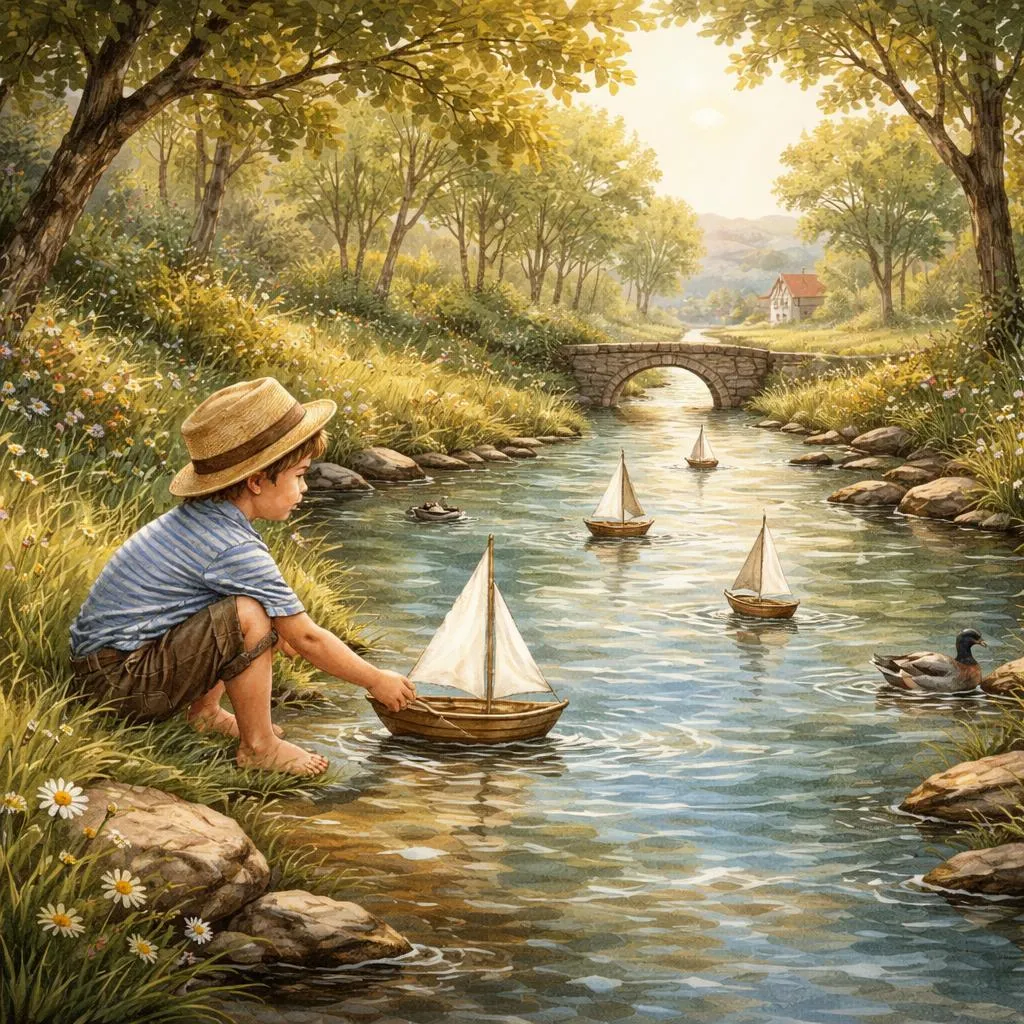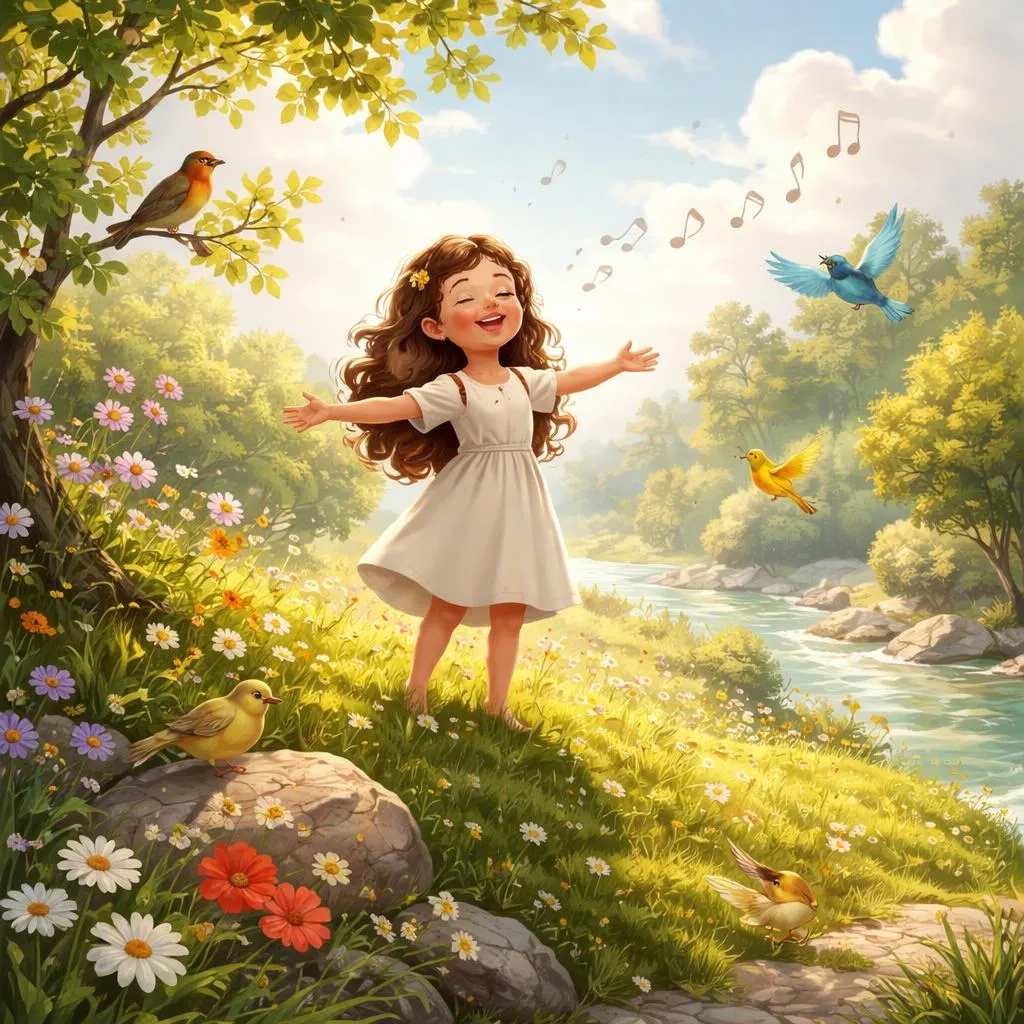

Of speckled eggs the birdie sings And nests among the trees; The sailor sings of ropes and things In ships upon the seas. The children sing in far Japan, The children sing in Spain; The organ with the organ man Is singing in the rain.
Story Background and Author Introduction
This charming little poem is from the world of classic children's literature, where simple images and sounds come together to create a joyful and musical experience. The poem captures the universal joy of singing and the beauty of life in different places and among different creatures. It was written by Christina Rossetti, a well-known English poet of the 19th century, famous for her lyrical and imaginative works that often explore themes of nature, childhood, and innocence.
Christina Rossetti (1830-1894) was a gifted poet whose works have been beloved by children and adults alike. Her poems often use simple language and vivid imagery, making them accessible and enjoyable for young readers. This particular poem is a delightful celebration of the sounds of life—from birds to sailors, children, and even an organ playing in the rain.
Detailed Interpretation and Meaning
At its heart, this poem is about the joy of singing and the connection between living beings through music. The "speckled eggs" represent new life and the natural world, where birds sing as they care for their young in the trees. The sailor’s song about ropes and ships brings in the adventurous spirit of the sea, reminding us of exploration and the human connection to nature.
The children singing in Japan and Spain symbolize the universal nature of music and joy—it crosses cultures and borders, uniting people everywhere. Finally, the organ and the organ man singing in the rain evoke a sense of warmth and comfort, showing how music can brighten even the gloomiest days.
This poem teaches us that singing and music are a shared language that connects all living things, no matter where they are or who they are.
What Children and Students Can Learn
-
Appreciation of Nature and Life: The poem encourages children to notice and appreciate the small wonders around them—birds, eggs, trees, and the natural world.
-
Cultural Awareness: By mentioning children singing in Japan and Spain, it introduces the idea that joy and music are universal, fostering respect and curiosity about different cultures.
-
The Power of Music: It shows how music can express feelings, bring people together, and make life more joyful, even during difficult times like rainy days.
-
Imagination and Creativity: The poem’s vivid images inspire children to use their imagination and creativity in their own storytelling and artistic expressions.
How to Apply These Lessons in Daily Life
-
In Learning: Children can explore music by singing songs from different countries, learning about various cultures, and understanding how music connects people globally.
-
In Social Settings: Singing together can be a fun way to build friendships and teamwork, helping children feel connected and supported.
-
In Emotional Growth: Music and singing can help children express their feelings, manage stress, and find comfort during challenging times.
-
In Nature Exploration: Encouraging children to observe birds, animals, and their surroundings fosters curiosity and respect for the environment.
Cultivating Positive Spirit and Behavior
-
Joy and Positivity: Encourage children to find joy in simple things, like singing or listening to nature sounds, which can boost their mood and outlook on life.
-
Respect for Diversity: Use the poem to teach children that people around the world share similar feelings and joys, promoting empathy and cultural understanding.
-
Creativity and Expression: Support children in creating their own poems, songs, or drawings inspired by nature and music, helping them develop confidence and self-expression.
-
Mindfulness and Presence: Teach children to be present and mindful by listening carefully to the sounds around them, whether it’s birds singing or rain falling, fostering calmness and awareness.
This poem, though short and simple, offers a rich world of learning and inspiration for children and students of all ages. It reminds us that music and nature are beautiful gifts that connect us all, and that joy can be found everywhere if we take the time to listen and sing along.