
From breakfast on through all the day
At home among my friends I stay,
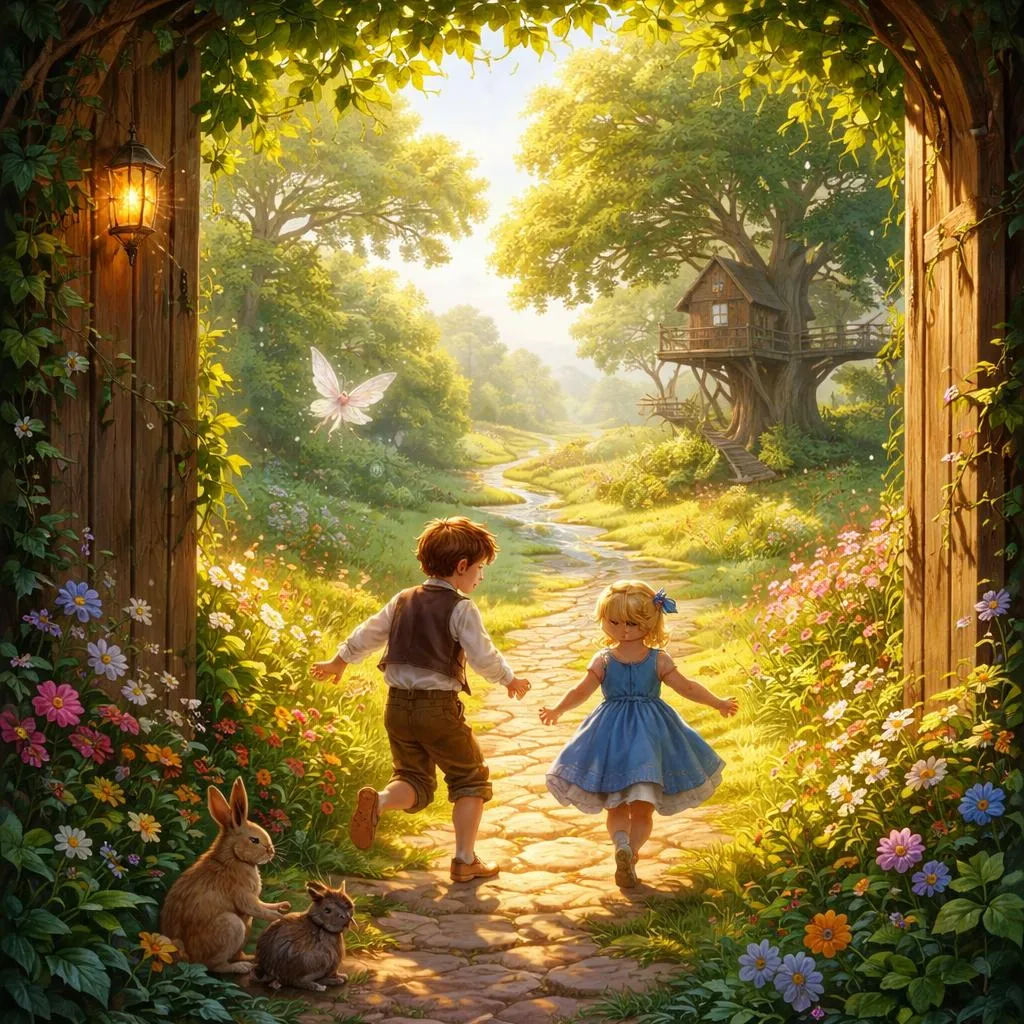
But every night I go abroad
Afar into the land of Nod.
All by myself I have to go,
With none to tell me what to do—
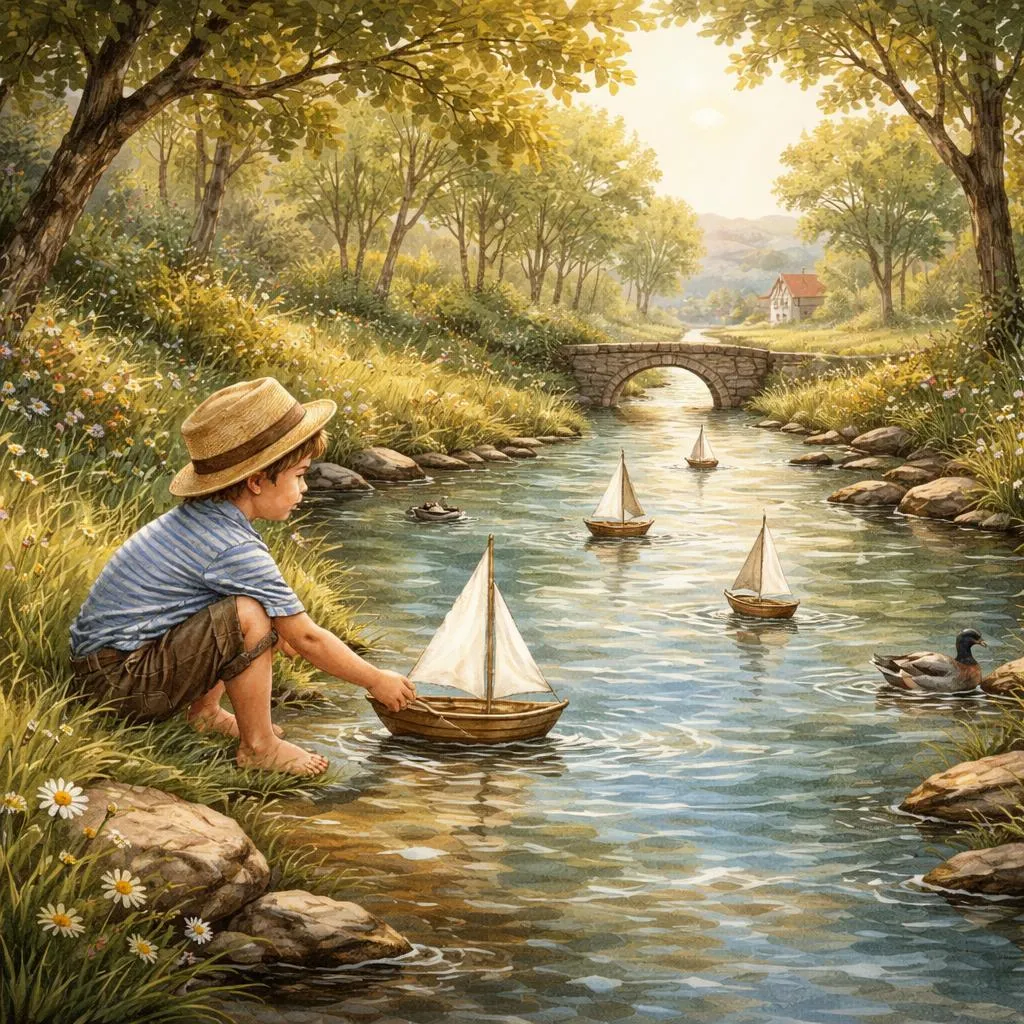
All alone beside the streams
And up the mountain-sides of dreams.
The strangest things are these for me,
Both things to eat and things to see,
And many frightening sights abroad
Till morning in the land of Nod.
Try as I like to find the way,
I never can get back by day,
Nor can remember plain and clear
The curious music that I hear.
Story Background and Author Introduction
This poem, titled "The Land of Nod," was written by Robert Louis Stevenson, a famous Scottish author and poet best known for his adventure stories and poetry for children. Stevenson lived in the late 19th century and wrote many beloved works, including "Treasure Island" and "A Child’s Garden of Verses," the latter of which contains this poem. "The Land of Nod" is a gentle, imaginative poem that explores the magical world of dreams, a place children visit every night when they fall asleep.
Detailed Interpretation and Meaning
The poem describes a child’s journey into the "land of Nod," a whimsical and mysterious dreamland. During the day, the child stays safely at home with friends and family. But at night, the child ventures alone into a fantastical place filled with strange sights and sounds—some delightful, some a little frightening. The poem captures the wonder and mystery of dreams, where the usual rules of the waking world don’t apply.
The child tries to remember the dream world’s music and find a way back during the day but cannot. This reflects how dreams often feel vivid and real while we are asleep but become elusive and hard to recall once we wake up.
What Children and Students Can Learn
-
Imagination and Creativity: The poem encourages children to embrace their imagination. Dreams are a place where anything can happen, and this freedom can inspire creativity in art, writing, and problem-solving.
-
Courage and Independence: The child travels alone in the dreamland, showing bravery and independence. This can help children understand the importance of facing the unknown with confidence, whether it’s trying new things at school or making new friends.
-
Understanding Emotions: The poem acknowledges that dreams can sometimes be scary. This can help children learn that feeling afraid is natural and that it’s okay to experience a range of emotions.
-
Memory and Reflection: The child’s struggle to remember the dream music highlights the importance of paying attention and reflecting on experiences, which can improve memory and learning skills.
How to Apply These Lessons in Daily Life
-
In Learning: Encourage children to use their imagination when studying or doing homework. Creative thinking can make learning more engaging and help with problem-solving.
-
In Social Settings: Emphasize the value of independence and courage when meeting new people or trying new activities. Support children in stepping out of their comfort zones.
-
In Emotional Growth: Teach children to recognize and express their feelings, including fear or uncertainty, and reassure them that these feelings are normal.
-
In Developing Memory: Practice recalling stories, dreams, or daily experiences together to strengthen memory and attention.
Cultivating Positive Spirit and Behavior
To nurture the positive qualities found in this poem, parents and teachers can:
-
Encourage Storytelling and Dream Sharing: Create a safe space where children feel comfortable sharing their dreams and imaginative ideas.
-
Promote Exploration: Provide opportunities for children to explore new environments and activities, fostering independence and bravery.
-
Discuss Emotions Openly: Help children label and understand their feelings, teaching them healthy ways to cope with fear or anxiety.
-
Inspire Creativity: Use art, music, and writing exercises to help children express their inner worlds, much like the dreamland in the poem.
By engaging with "The Land of Nod," children and students can deepen their appreciation for imagination, develop emotional resilience, and build confidence that will support them throughout their lives.