
A Friendly Hello and First Impressions
Dumela! (doo-MEH-lah). This is a warm "Hello" in Setswana. Ke a leboga! (keh ah leh-BOH-gah). This is a sincere "Thank you". People say it with a smile. Setswana and English are the main languages. Learning reading about Botswana starts with these friendly, musical words.
Botswana is in Southern Africa. Its shape looks like a flat, wide rectangle. The rectangle sits on a high, dry plateau. The country is landlocked. South Africa, Namibia, and Zimbabwe are its neighbors. The Kalahari Desert covers most of the land. It is a place of vast, open spaces.
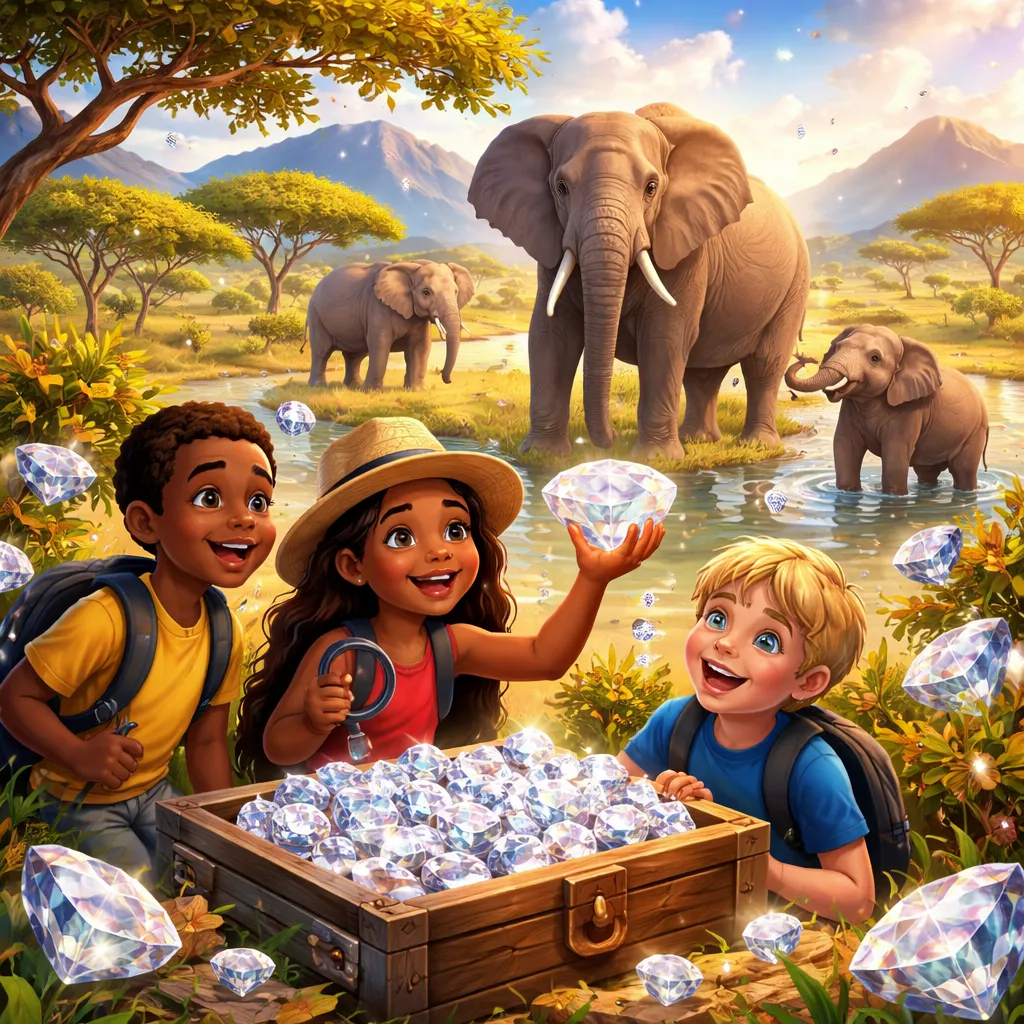
People call it the "Jewel of Africa". This nickname has two meanings. Botswana is stable and peaceful. It is also a top producer of diamonds. These gems are like shiny jewels from the earth. The country shines brightly in many ways. Are you ready to go on a safari of stories?
Deep Dive into Culture and Stories
Echoes of History
A great leader shaped modern Botswana. His name was Sir Seretse Khama. He was the first president. He took office in 1966. That was the year of independence. He was a man of peace and vision. He used diamond money wisely. He built schools and clinics. He protected wildlife. His leadership set a strong example. His story is a key part of learning reading about Botswana.
Before independence, Botswana was a British protectorate. It was called Bechuanaland. The British did not interfere much. Local chiefs kept their power. This helped preserve Tswana culture. The transition to independence was peaceful. This is rare in history. Botswana became a multiparty democracy. It remains one today.
A Model for the World
Botswana gave the world a lesson in conservation. In the 1960s, wildlife was disappearing. Poachers killed many animals. The government made a smart decision. It banned hunting and created national parks. It also let local communities benefit from tourism. This model worked. Elephant herds grew. Other animals thrived. Botswana now has the world's largest elephant population. This is a gift of wisdom to the planet.
A Land of Thirst and Flood
Botswana's geography is unique. The Kalahari Desert covers about 70% of the country. It is not a sea of sand. It is a semi-arid savanna. It has grass, shrubs, and acacia trees. The northwest has the Okavango Delta. This is the world's largest inland delta. A river flows from Angola. It never reaches the sea. It spreads out in the desert. It creates a magical water world.
The climate is semi-arid. It is mostly hot and dry. Summer days are very hot. Winter nights can be freezing. Rain is scarce and unpredictable. The dry season is long. Water is precious. People build houses with materials that stay cool. Thatch roofs are common. The main crops are sorghum and maize. Cattle are very important. They are a sign of wealth.
A special animal is the African elephant. It is the national animal. Botswana has over 130,000 elephants. They are the largest land animals. They are wise and social. The baobab tree is iconic. It is called the "Tree of Life". It stores water in its huge trunk. Animals and people use it. The national flower is the Devil's Claw. It is used in traditional medicine.
Landmarks of Water and Stone
Visit the Okavango Delta. It is a UNESCO World Heritage site. It is a maze of waterways and islands. You explore by mokoro. A mokoro is a traditional dugout canoe. A guide poles it through the water. You see hippos, crocodiles, and birds. The water is clear and calm. The sky is huge and blue. It is a peaceful, watery paradise. A legend says a giant snake created the channels.
See the Tsodilo Hills. They are in the northwest. They are called the "Louvre of the Desert". The hills have over 4,500 rock paintings. The San people made them. The paintings are thousands of years old. They show animals, people, and rituals. One famous painting is the "Whale". It is far from the sea. Why is it there? It is a mystery. The hills are a sacred site.
Another wonder is the Makgadikgadi Pans. They are vast salt flats. They are the remains of an ancient lake. The lake dried up thousands of years ago. In the dry season, the pans are white and cracked. They stretch to the horizon. In the wet season, they attract flamingos. The pans are empty and quiet. They feel like another planet.
Festivals of Culture and Music
The biggest festival is the Maitisong Festival. It happens in Gaborone every March. It is a week of performing arts. There are music concerts, dance shows, and theater. Artists come from all over Africa. The festival is lively and colorful. It celebrates Botswana's creativity. Schools and communities take part. The mood is joyful and artistic.
Independence Day is on September 30. It is called "Boipuso". The day starts with a parade. The military and school bands march. The president gives a speech. Later, people have parties and barbecues. They listen to music and dance. The national flag is everywhere. The colors are blue, black, and white. The day is full of national pride.
A unique tradition is the Kgotla. It is not a festival. It is a community meeting. The chief sits under a tree. People gather to discuss problems. Everyone can speak. Decisions are made by consensus. This is an ancient form of democracy. It teaches respect and listening. It is a living tradition.
Food and Flavors
The national dish is Seswaa. It is shredded beef or goat meat. The meat is boiled with salt until very tender. Then it is pounded. It is served with thick porridge called "pap". Pap is made from maize meal. Families eat it with their hands. The meat is soft and savory. It tastes like tradition and simplicity.
You must try Morogo. It is wild spinach. People pick it from the fields. It is cooked with onions and tomatoes. Sometimes they add meat or caterpillars. It is served as a side dish. It is healthy and tasty. It tastes like the green, wild earth.
A Culture of Baskets and Democracy
Botswana is famous for its baskets. Women weave them from palm leaves. The patterns are very intricate. Each pattern tells a story. The baskets are colorful and strong. They are used for storing grain or as decorations. This weaving art is passed from mother to daughter. It is a beautiful craft. It is a colorful part of learning reading about Botswana.
The country is a diamond success story. Diamonds were discovered in 1967. The government made a smart deal. It shares the profits with the mining company. The money built the nation. It paid for schools, roads, and hospitals. Botswana shows how resources can help everyone. This is called good governance. It is a model for other countries.
Tips for Young Explorers
Cultural Manners Matter
Greetings are important. Always greet people when you meet them. Say "Dumela" with a smile. Shake hands with your right hand. A common greeting is "Dumela, Rra" (to a man) or "Dumela, Mma" (to a woman). This shows respect. Ask about the person's health and family. This is polite.
Elders are highly respected. Always listen to them. Do not interrupt. Use polite language. Stand up when an elder enters the room. Offer them your seat. This is good manners.
When eating, use your right hand. The left hand is considered unclean. Wash your hands before and after the meal. Eat from the part of the plate in front of you. Try everything. Compliment the cook.
A Note on Staying Safe
Botswana is a very safe country. But wildlife is wild. Never approach wild animals. Always stay in your vehicle on safari. Do not get out unless your guide says it is safe. Animals may look calm. But they are dangerous.
Malaria is a risk in the north. Take anti-malaria medicine if your doctor says. Use insect repellent. Wear long sleeves in the evening. Sleep under a mosquito net. This keeps you healthy.
The sun is extremely strong. Wear a wide-brimmed hat. Use high SPF sunscreen. Drink lots of water. Dehydration and sunstroke are real risks.
A Tasty Stop
Look for "Magwinya" on the street. They are also called "fat cakes". They are deep-fried dough balls. They are golden and fluffy. People eat them hot with jam or butter. They are cheap and filling. They are a popular snack. Eat them fresh. They are soft, sweet, and delicious.
Healthy and Happy Travels
Drink only bottled or boiled water. Tap water is not safe in all areas. It is best to be careful. Avoid ice in drinks. Brush your teeth with bottled water. This simple habit keeps your stomach happy.
Wear neutral-colored clothing on safari. Bright colors scare animals. Also, wear comfortable, closed shoes. The bush has thorns and insects. Good shoes protect your feet.
Listen to your guide. They know the bush. They know animal behavior. Follow their instructions. This keeps everyone safe and happy.
Your Invitation to Explore
Start your journey with a map. Find Botswana, the landlocked country. See the Kalahari Desert and the Okavango Delta. Then, watch a documentary about elephants. See how they live in family herds. This is a wonderful way of learning reading about Botswana.
Visit a museum with African art. Look for Botswana baskets. See the patterns and colors. Try weaving a simple paper basket. Use strips of colored paper. See how the pattern forms. Imagine the skill of the weavers.
The world is a big, open book. Each country is a different chapter. Botswana's chapter is about diamonds, democracy, and desert elephants. Open it with curiosity. Read about its kgotlas, baskets, and baobabs. Your curiosity is your guide.
Batswana families gather around a pot of seswaa. Friends discuss community matters at the kgotla. Children learn about the stars from elders. We all know these feelings. We love sharing meals. We value community decisions. We enjoy stories under the stars. Learning about Botswana shows us this. Our global family shares the same values of peace and respect. Keep exploring, one page, one country, at a time. Your adventure has just begun.