
A Friendly Hello and First Impressions
Vitaju! (vee-TAH-yoo). This is a warm "Hello" in Belarusian. Dziakuj! (dzee-ah-KOOY). This is a sincere "Thank you". People say it with kindness. Learning reading about Belarus starts with these welcoming Slavic words.
Belarus is a landlocked country in Eastern Europe. Its shape looks like a soft, rounded rectangle. The rectangle sits on the great East European Plain. It shares borders with five countries. Russia is to its east. Poland is to its west. The land is flat and green. It is sometimes called the "Crossroads of Europe".
People call it the "Lungs of Europe". Why? Over one-third of the country is forest. The air is very fresh and clean. The forests produce a lot of oxygen. They are like giant, green lungs for the continent. Another nickname is "White Rus". This might be where the name "Belarus" comes from. Are you ready to breathe in its history?
Deep Dive into Culture and Stories
Echoes of History
Long ago, Belarus was part of the Grand Duchy of Lithuania. It was a powerful medieval state. The Grand Duchy joined with Poland. This union was called the Polish-Lithuanian Commonwealth. It lasted for centuries. Belarus was at the heart of it. This period was a golden age of culture. Many castles and churches were built. The legacy of this time is still seen today.
A tragic and defining event was World War II. Belarus suffered greatly. It was a major battleground. The country lost about one-third of its people. Many cities and villages were destroyed. The memory of the war is very deep. It is remembered with great respect. This history is a solemn part of learning reading about Belarus. The people are known for their resilience.
A Gift of the Printed Word
Belarus has a special place in the history of books. Francysk Skaryna was a pioneer. He was a doctor, translator, and humanist. In 1517, he printed the first book in the Belarusian language. It was a Bible. He did this in Prague. This was one of the first books printed in Eastern Europe. He wanted people to read in their own language. His work helped shape Belarusian culture. It was a gift of knowledge to the world.
A Land of Forests and Marshes
Belarus is mostly flat. It is part of the great European plain. There are no mountains. The land has gentle hills and wide valleys. The country has over 11,000 lakes! It also has vast marshlands. These are called the "Polesie Marshes". They are sometimes called the "Amazon of Europe". The marshes are a unique ecosystem. They are home to many rare birds and plants.
The climate is continental. This means warm summers and cold, snowy winters. Spring and autumn are short. The forests provide timber and berries. People grow potatoes, flax, and rye. Traditional houses were made of wood. They were often decorated with beautiful carvings. The carvings were for protection and beauty. Many houses had thatched roofs made of straw.
A special animal is the European bison. It is called "zubr" in Belarusian. It is the heaviest land animal in Europe. It was almost extinct. Conservation efforts brought it back. The bison is a national symbol of strength. The stork is also very loved. It builds big nests on rooftops. People believe it brings good luck and babies. The national flower is the flax flower. It is small and blue. It represents the important flax industry.
Landmarks of Brick and Memory
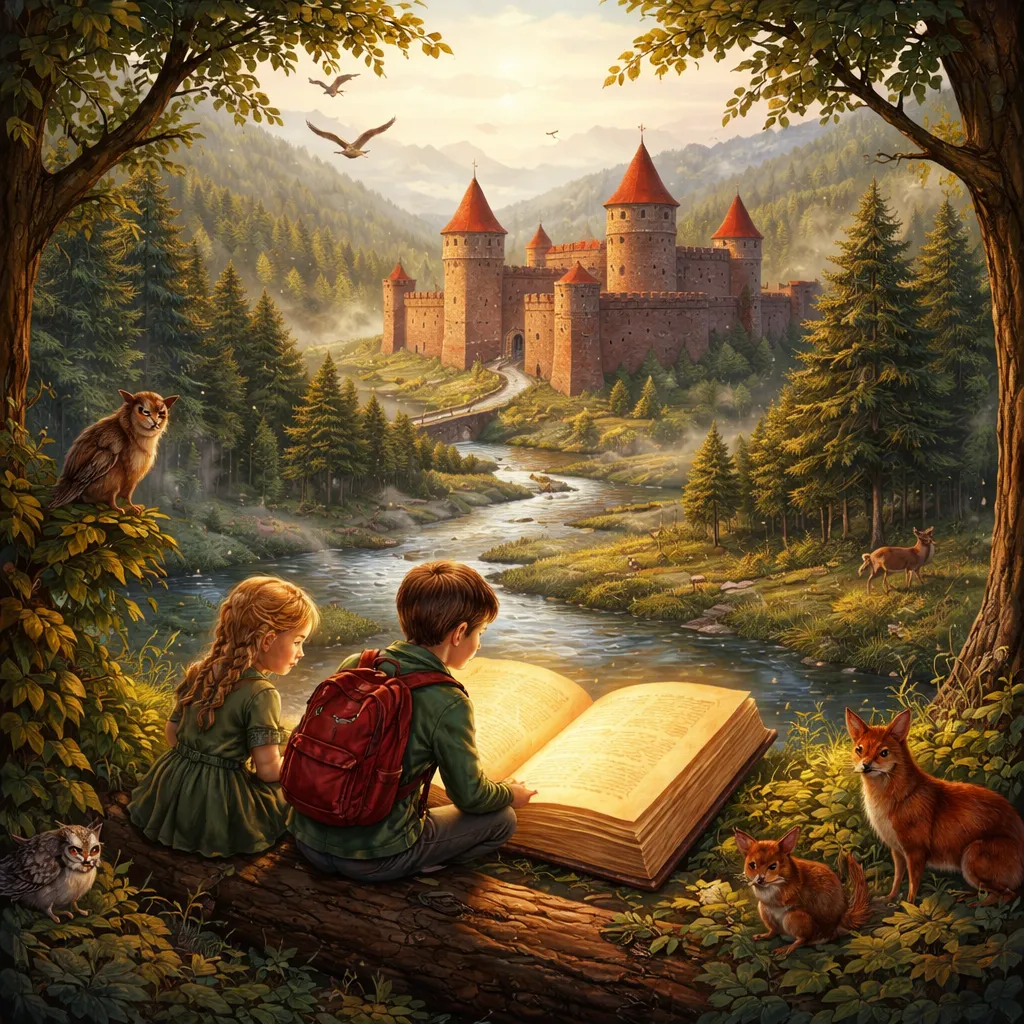
Visit Mir Castle. It is in the town of Mir. It is a beautiful brick castle. It was built in the 16th century. It has high walls and tall towers. The castle mixes Gothic, Renaissance, and Baroque styles. It looks like a fairy tale fortress. A legend says a secret tunnel connects it to another castle. The tunnel is 25 miles long! Nobody has found it. The castle is a UNESCO World Heritage site.
See the Bia?owie?a Forest. It is a shared treasure with Poland. It is the last primeval forest in Europe. Primeval means it has never been cut down. It is a living museum of nature. The trees are incredibly old and tall. The European bison lives here freely. You can walk on special paths. The air is fresh and smells of pine. It feels like stepping back in time.
Another important site is the Khatyn Memorial. It is a very sad and powerful place. The village of Khatyn was destroyed in 1943. All the people were killed. The memorial honors that village and many others. It has statues and chimneys with bells. The bells ring in the wind. It is a place for quiet remembrance and peace.
Festivals and Folk Traditions
The most magical festival is Kupalle. It is the ancient summer solstice celebration. It happens on the night of July 6-7. Young people go to the forests and fields. They look for a magical flower. The flower is called the "Fern Flower". Legend says it blooms only on this night. It brings great fortune to the finder. Girls make wreaths of flowers. They float them on rivers. The wreaths tell their future in love.
People light big bonfires. They jump over the flames. This is for purification. They sing old songs and dance in circles. The night is full of mystery and joy. The festival connects people to ancient nature spirits. It is a celebration of sun, love, and the green world.
Another important day is Independence Day. It is on July 3rd. It marks the liberation of Minsk in 1944. There is a big military parade. Later, people enjoy concerts and fairs. The day ends with a huge fireworks display. The city is full of national flags. The mood is patriotic and proud.
Food and Flavors
The national dish is draniki. They are potato pancakes. Grated potato is the main ingredient. People mix it with egg and onion. Then they fry the pancakes in oil. They are crispy outside and soft inside. People eat them with sour cream or machanka. Machanka is a rich meat gravy. Draniki are simple, hearty, and delicious. They taste like a crispy, comforting hug.
You must try kalduny. They are dumplings. The filling can be meat, mushrooms, or berries. The meat ones are boiled. The sweet ones with berries are often served with sour cream. Each region has its own recipe. Families make them for special occasions. The dumplings are soft, savory, or sweet. They are little parcels of flavor.
A Culture of Straw and Silicon
Belarus has a unique folk art. It is straw weaving. Artists use dried stalks of rye. They create amazing shapes. They make stars, dolls, and decorative items. The golden straw shines in the light. This craft is very old. It was almost lost. Now, people are learning it again. It shows creativity with simple materials. This art is a beautiful part of learning reading about Belarus.
The country is also a leader in IT. People call it the "Silicon Valley of Eastern Europe". Many skilled programmers work here. They create famous software and games. The game "World of Tanks" was made in Belarus. High-tech parks are in Minsk. Children learn coding in schools. The country combines old traditions with new technology.
Tips for Young Explorers
Cultural Manners Matter
Belarusians can seem reserved at first. But they are very warm and hospitable. A firm handshake is the common greeting. Men should wait for a woman to offer her hand first. Say "Vitaju" with a smile. Good eye contact is important. It shows you are sincere.
When visiting a home, always remove your shoes. This is a must. Your host will give you slippers. Bring a small gift. Flowers, chocolates, or a bottle of wine are good. If you bring flowers, give an odd number. Even numbers are for funerals. This is a very important rule.
At the dinner table, wait for the host to invite you to eat. Try a bit of everything. Compliment the food. The host will be very happy. Always say "Dziakuj" after the meal. Thank the host for their hospitality.
A Note on Staying Safe
Belarus is generally a safe country. But be aware of your surroundings in cities. Do not walk alone in dark parks at night. Keep your belongings close in crowded places. Petty theft can happen in tourist areas.
The political situation can be tense. Avoid any political demonstrations or gatherings. It is best to stay away. Always follow local laws and respect authorities. This is very important.
If you travel to the forest, stay on marked paths. The Bia?owie?a Forest is wild. Do not go deep into the woods alone. You might get lost. Always go with a guide or a group.
A Tasty Stop
Look for "salo" in the market. It is cured pork fat. It is a traditional snack. It might sound strange, but it is beloved. The fat is salted and spiced. It is often served on black bread with garlic. Eat it with pickles. The taste is rich, salty, and smooth. Try a small piece. It is a real taste of tradition.
Healthy and Happy Travels
Tap water is generally safe in big cities like Minsk. But many people drink bottled or filtered water. It is the safest choice. Always wash fruits and vegetables before eating.
Winters are very cold. Dress in warm layers. A good coat, hat, scarf, and gloves are essential. Good waterproof boots are important too. The snow can be deep. This keeps you cozy and healthy.
In summer, use insect repellent. The marshes and forests have many mosquitoes. This makes exploring more comfortable. Wear long sleeves in the evening.
Your Invitation to Explore
Start your journey with a map. Find Belarus, the landlocked country. See its location between Poland and Russia. Look at pictures of the dense forests. Then, search online for "Belarusian straw art". See the amazing golden creations. This is a fascinating start to learning reading about Belarus.
Try a simple recipe. Make draniki at home. Grate two potatoes. Mix with one egg, a little flour, and salt. Fry spoonfuls in oil until golden. Eat with sour cream. Imagine you are in a cozy wooden house in a Belarusian village.
The world is a huge, open encyclopedia. Each country is a colorful volume. Belarus's book is written on birch bark and computer code. Open it with an open mind. Read about its bison, bonfires, and bravery. Your curiosity is the key.
Belarusian families gather for a big Sunday meal. Friends share stories over tea. Children learn folk songs from their grandparents. We all know these feelings. We love sharing food. We enjoy stories and songs. We cherish our family time. Learning about Belarus shows us this beautiful, shared thread. It weaves through all cultures. Keep turning the pages of our world. Your adventure has just begun.