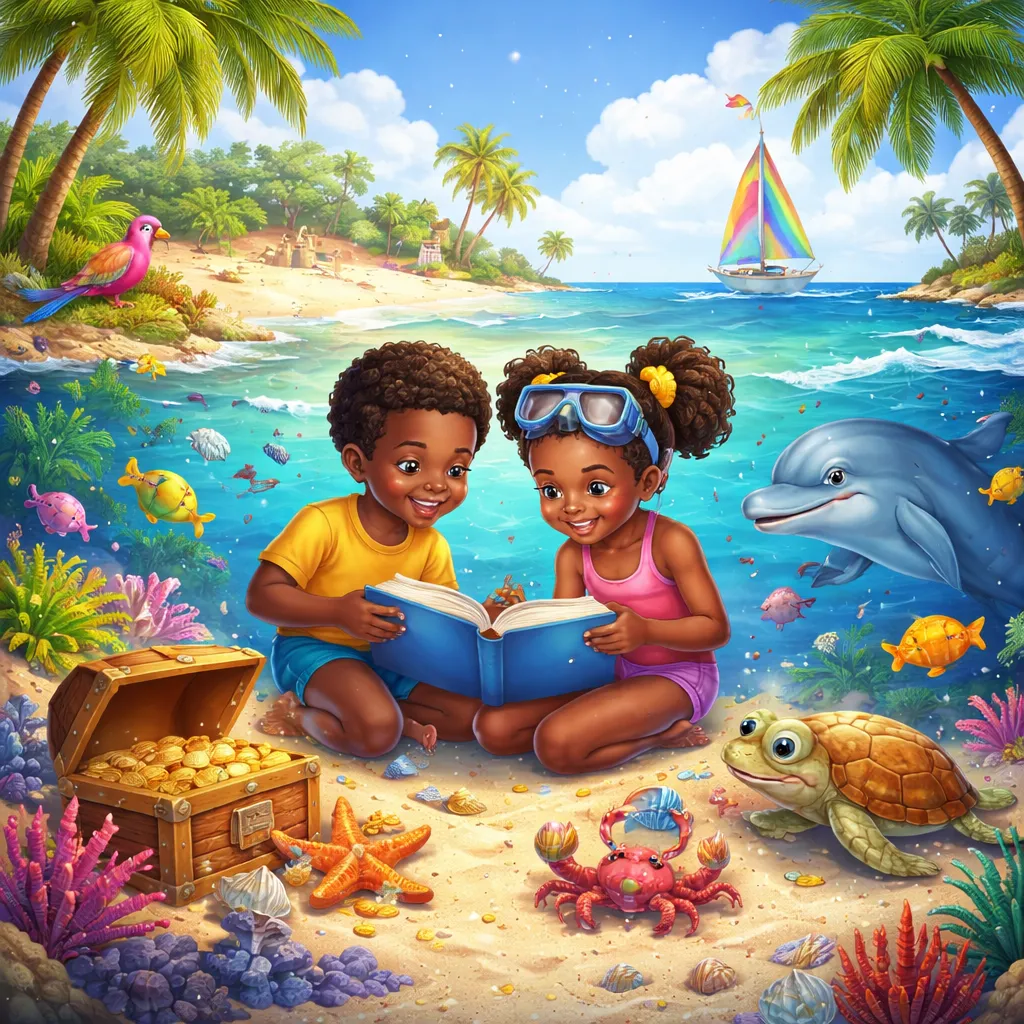

A Friendly Hello and First Impressions
Hey, what's up? This is a common, casual greeting. Thank you, mon! This is a warm "Thank you, man!". The "mon" shows friendly feeling. Learning reading about Bahamas starts with these sunny, easy words.
The Bahamas is an island nation. It is not one island, but over 700 islands. It also has thousands of small cays. Imagine a giant, sparkling necklace. The necklace drapes across the Atlantic Ocean. The country is in North America. It sits southeast of Florida, USA. The turquoise water is famous worldwide.
People call it the "Isles of Perpetual June". The weather is warm and lovely all year. It feels like June forever. Another nickname is the "Lucayan Isles". The first people here were the Lucayans. They were Taino people. Are you ready to walk on pink sand?
Deep Dive into Culture and Stories
Echoes of History
The first Bahamians were the Lucayans. They arrived from South America. They lived here for centuries. Then Christopher Columbus arrived in 1492. His first landfall was in the Bahamas. This meeting changed the world. Sadly, the Lucayan people later disappeared. This history is important for learning reading about Bahamas.
Later, the islands became a pirate haven. This was the "Golden Age of Piracy". Famous pirates like Blackbeard lived here. They hid in the many coves and cays. Nassau was a pirate republic. The British eventually took control. They made the Bahamas a colony. Reminders of pirates are everywhere. It is a thrilling part of history.
A World-First in Democracy
The Bahamas holds a special first. In 1729, it formed an assembly. This was the first representative government. It happened in the Caribbean. Free men could vote for their leaders. This was a new idea in the region. It planted a seed for future democracies. Today, the Bahamas is a stable, independent nation. It values freedom and self-rule.
A Land of Sea and Sky
The Bahamas is very flat. The highest point is only 63 meters tall. Most islands are made of limestone and coral. The islands are the tips of a huge underwater plateau. The ocean around them is very shallow. This creates the bright turquoise color. The water is warm and clear.
The climate is tropical. It is warm and sunny all year. Temperatures average 24-29~C (75-85~F). Trade winds provide a nice breeze. The rainy season is from May to October. Hurricanes can sometimes occur. People build houses to let air flow through. They have large windows and porches. Bright colors like pink and yellow are popular.
A special marine animal is the Bahamian rock iguana. It is only found here. It is large and looks ancient. It eats leaves and fruits. The national bird is the flamingo. Huge flocks live on Inagua island. They are bright pink. The national tree is the lignum vitae. It has very hard wood and pretty blue flowers.
Landmarks of Water and Color
Visit the Queen's Staircase in Nassau. It is 66 steps carved from limestone. Slaves built it in the late 1700s. It provided a direct route from the city. The steps lead to Fort Fincastle. The fort looks like a ship's bow. It was built to protect Nassau. A fun story says 66 steps exist. They represent the 66 years of Queen Victoria's rule. The cool, shaded staircase is a peaceful spot.
Snorkel at Thunderball Grotto. It is near Staniel Cay. It is a beautiful underwater cave. Sunlight streams through holes in the roof. The light makes the water glow. Tropical fish swim everywhere. The James Bond movie "Thunderball" was filmed here. You can swim right into the cave. It feels like a secret, watery cathedral.
See the Pink Sand Beach on Harbour Island. The sand is soft and truly pink. The color comes from tiny creatures. Foraminifera are microscopic organisms. They have bright pink shells. They live on coral reefs. When they die, their shells wash ashore. They mix with white sand and crushed coral. The result is a beautiful pink beach. It feels like walking on strawberry powder.
Junkanoo and Celebration
The biggest festival is Junkanoo. It happens on Boxing Day and New Year's Day. Preparations take all year. Groups called "crews" create amazing costumes. They use cardboard, crepe paper, and feathers. The colors are bright and dazzling. The music is loud and rhythmic. Goatskin drums, cowbells, and whistles create the sound.
The parade starts very early. It begins around 2:00 a.m. Dancers and musicians fill the streets. They move in a rhythmic shuffle. The celebration lasts until sunrise. Judges pick the best crew. The energy is incredible. Junkanoo comes from the time of slavery. Enslaved people had three days off at Christmas. They celebrated with music and dance. Today, it is a proud national festival.
Food and Flavors
Try Conch Salad. Conch is a large sea snail. Its shell is beautiful and spiral-shaped. The meat is firm and white. For the salad, people chop the conch. They mix it with onions, peppers, and citrus juice. The juice "cooks" the meat. It is fresh, tangy, and a little spicy. People eat it as a snack or appetizer. It tastes like the clean, bright ocean.
You must eat Bahamian Stew Fish. It is a common dinner. The fish is often grouper or snapper. People season it with spices. They simmer it in a tomato-based sauce. It is served with grits or rice. The stew is hearty, savory, and filling. It tastes like a warm, comforting hug from the sea.
A Culture of Sailing and Stories
Sailing is a way of life. The ocean is everyone's backyard. Children learn to sail small boats early. The Family Islands Regatta is a big event. Traditional wooden sailboats race. These boats are called "Bahamian sloops". They have huge, single sails. The competition is fierce and fun. It honors the islands' sailing heritage.
Storytelling is a beloved tradition. Elders tell "old story" tales. Many stories feature clever animals. Anansi the spider is a favorite. The stories came with enslaved Africans. They teach lessons about life. Listening is a fun form of learning reading about Bahamas. The oral tradition keeps history alive.
A Note on Conservation
The Bahamas works hard to protect its ocean. The government created shark sanctuaries. It banned shark fishing. The country also protects sea turtles. Many islands have national parks. The Exuma Cays Land and Sea Park is famous. Fishing is not allowed there. The underwater life thrives. It is like a giant aquarium. This care for nature is vital for the future.
Tips for Young Explorers
Cultural Manners Matter
Bahamians are generally relaxed and friendly. A smile and a greeting go far. Say "Good morning" or "Good afternoon" first. This is polite. "Hey" or "What's up?" is fine with friends. Always be respectful to elders. Use "Mr." or "Ms." with their last name.
"Island time" is real. Things may not start exactly on time. Do not get upset about small delays. The pace is slower. Enjoy the moment. Do not rush people. This is the Bahamian way.
Dress modestly in towns. Swimwear is for the beach only. Cover up when you leave the sand. This shows respect. In fancy restaurants, people dress up a bit. Nice shorts and a shirt are okay.
A Note on Staying Safe
The Bahamas is generally safe. But be smart in cities. Do not walk alone at night. Stay in well-lit, busy areas. Do not leave your things alone on the beach. Ask a family member to watch them.
The ocean is beautiful but powerful. Only swim where there are lifeguards. Obey all warning flags. Watch for strong currents. Never swim alone. Always have an adult watching you. Be careful on boat tours. Always wear a life jacket.
Hurricane season is June to November. Check the weather forecast. Follow all advice from local authorities. Have a plan if a storm is coming.
A Tasty Stop
Find a "Fish Fry" area. Arawak Cay in Nassau is famous. Try "Cracked Conch". The conch meat is tenderized. It is breaded and deep-fried. It is served with french fries or peas and rice. It is crispy, hot, and delicious. Squeeze lemon on top. Eat it with your hands. The taste is savory and satisfying.
Healthy and Happy Travels
The sun is very strong near the equator. You can burn quickly. "Slip, Slop, Slap" is the rule. Slip on a shirt. Slop on sunscreen. Slap on a hat. Reapply sunscreen after swimming. This protects your skin.
Drink lots of water. The tropical heat can dehydrate you. Drink water even if you are not thirsty. This keeps your energy high. It helps you play and explore longer.
Protect the coral reef. Never stand on coral. It is a living animal. It dies if you touch it. Wear reef-safe sunscreen. Some chemicals hurt the reef. Look for sunscreens with zinc oxide. This keeps the ocean healthy.
Your Invitation to Explore
Start your island adventure with music. Look up "Junkanoo music" online. Listen to the powerful drums and cowbells. Try to move to the rhythm. Or, search for videos of swimming pigs. Yes, there are swimming pigs in the Bahamas! They live on Big Major Cay. This is a joyful start to learning reading about Bahamas.
Try a simple recipe. Make a tropical fruit salad. Use pineapple, mango, and papaya. Squeeze a little lime juice on top. Add shredded coconut. Close your eyes and taste it. Imagine you are on a sunny beach.
The world is a big, beautiful atlas. Each country is a new, colorful page. The Bahamas' page is bright blue, green, and pink. Turn to it with a smile. Read about its pirates, pigs, and parades. Your curiosity is your guide.
Families in Nassau dance at Junkanoo. Friends sail small boats in the harbor. Children build sandcastles on pink sand. We all understand these simple joys. We love sunny days. We enjoy music and celebration. We cherish time with family. Learning about the Bahamas shows us this. Our global family shares so much happiness. Your curiosity is your passport. Never stop exploring. Your journey is just beginning.