
A Friendly Hello and First Impressions
Wha' gwaan? (wah GWAAN). This is a friendly "What's going on?". It is a common hello. Tank you! (tank yoo). This is a warm "Thank you". People say it with a big smile. Learning reading about Antigua and Barbuda starts with these happy sounds.
Antigua and Barbuda is a twin-island nation. It looks like two green jewels. The jewels float in the bright blue Caribbean Sea. The country is part of North America. The mighty Atlantic Ocean is right next to it. It sits in the Leeward Islands group.
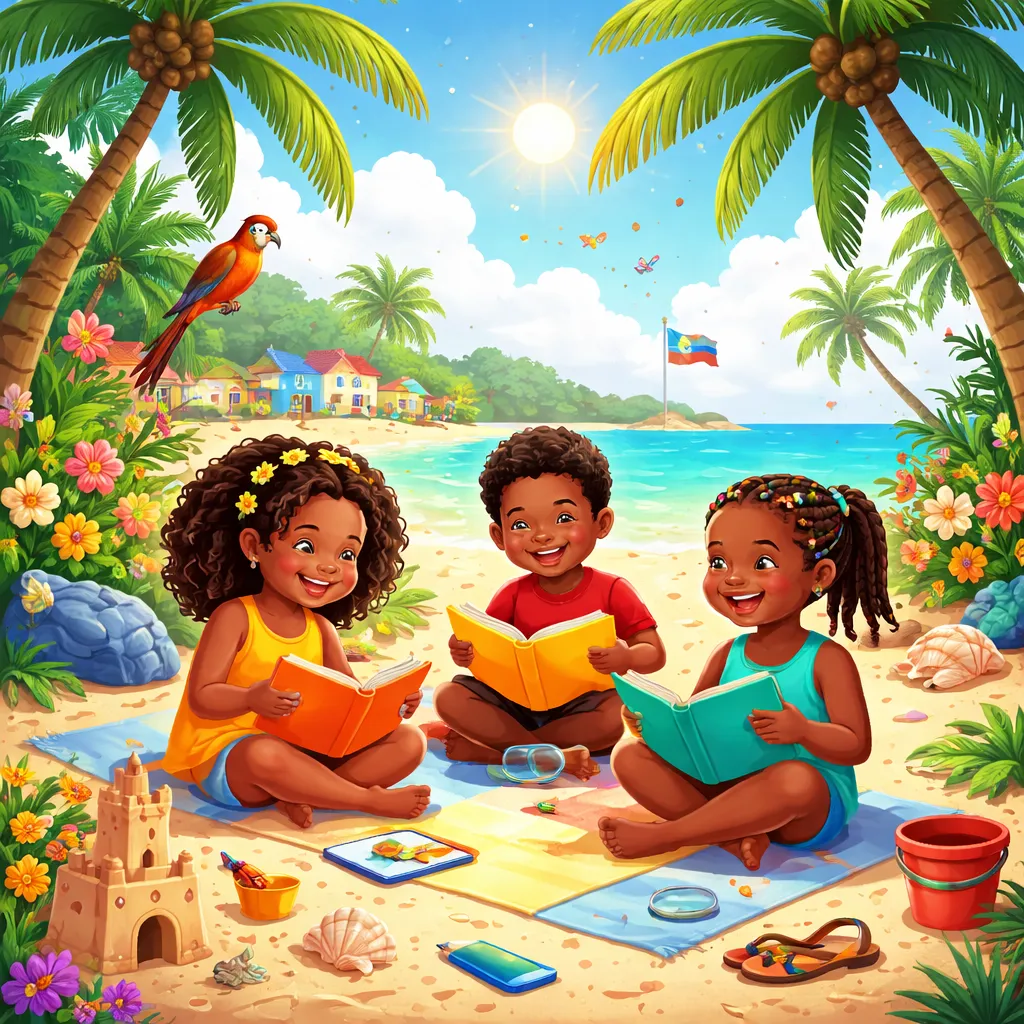
People call it the "Land of 365 Beaches". Local legend says there is one beach for every day. The truth is a little different. The number is a bit smaller. But the beaches are truly amazing. The soft, white sand feels like powder. The clear, warm water sparkles. Are you ready to feel the sand between your toes?
Deep Dive into Culture and Stories
Echoes of History
Christopher Columbus saw Antigua in 1493. He named it after a church in Spain. The islands had Carib and Arawak people first. Then came European settlers. They built large sugar plantations. They brought enslaved Africans to work. This history shaped the islands deeply. The culture is a strong, beautiful mix.
Antigua and Barbuda became independent in 1981. A woman named Dame Nellie Robinson was a hero. She was a teacher and activist. She fought for better education for all. She believed knowledge was power. Her work helped build the new nation. Her spirit lives on in the schools. This makes learning reading about Antigua and Barbuda special.
The country gave the world a cricket superstar. His name is Sir Vivian Richards. He was one of the best batsmen ever. He played with amazing power and style. He made people around the world watch cricket. He showed the talent of the Caribbean. He is a national icon of pride.
A Land of Sea and Sun
Antigua and Barbuda are coral islands. They were made by ancient volcanoes. The land is mostly low and rolling. Antigua has some hills in the south. Barbuda is very flat. Both islands are surrounded by beautiful coral reefs. The reefs are like underwater castles. They protect the shores and hold sea life.
The climate is tropical. It is warm and sunny all year. The average temperature is 27~C (81~F). A steady breeze blows from the sea. It keeps the air feeling fresh. The rainy season is from May to November. Short, heavy showers water the plants. Then the sun comes out again quickly.
A special bird lives on Barbuda. It is the magnificent frigate bird. The males have a huge red throat pouch. They puff it up like a balloon to attract females. A large colony lives in the mangroves. It is one of the largest in the world. The national tree is the Whitewood. It provides strong, durable timber. The tree is important for building.
Landmarks of History and Nature
Visit Nelson's Dockyard. It is in English Harbour on Antigua. It is a restored 18th-century naval base. The British Royal Navy used it. Admiral Horatio Nelson was stationed here. The old stone buildings now house hotels and museums. Tall, old ships still visit the dock. A fun story says ghosts of sailors walk here. But the real ghosts are just shadows.
Travel to the Frigate Bird Sanctuary. It is in the Codrington Lagoon on Barbuda. You need a boat and a guide to visit. Thousands of frigate birds nest in the mangroves. The sky fills with their soaring shapes. The males puff their red pouches. The scene is noisy and amazing. It feels like a bird city.
See the Devil's Bridge on Antigua. It is a natural limestone arch. The wild Atlantic Ocean pounds against it. Over centuries, the waves carved this bridge. The spray from the waves makes rainbows. Local legend says enslaved people jumped from here. They sought freedom in the afterlife. The bridge's name comes from this powerful story.
Carnival and Celebration
Carnival is the biggest party. It happens in late July and early August. It celebrates the end of slavery. Preparations take all year. Bands design incredible costumes. Dancers practice their moves. Musicians perfect their songs. The whole island buzzes with excitement.
The festival lasts for ten days. There is a huge parade called "J'ouvert". It starts before sunrise. People cover themselves in paint, mud, and powder. They dance through the streets until morning. Later, the main parade has elaborate costumes. The costumes have feathers, sequins, and bright colors. Judges pick the best band. The music is non-stop.
Another important day is Independence Day. It is on November 1st. The national flag flies everywhere. Schools and communities have parades. People wear the national colors. The colors are red, blue, white, black, and yellow. There are speeches, fairs, and cultural shows. The day is full of national pride and joy.
Food and Flavors
Try the national dish, Fungee and Pepperpot. Fungee is a firm cornmeal paste. It is like a dumpling. Pepperpot is a rich, spicy stew. The stew has okra, eggplant, and meat. It is cooked for a long time. The flavors blend together perfectly. Families eat it on special weekends. It tastes like a deep, savory hug.
You must also taste Ducana. It is a sweet dumpling. Grated sweet potato is the main ingredient. People add coconut, sugar, and spices. They wrap the mix in a banana leaf. Then they boil it. The dumpling comes out sticky and sweet. People often eat it with salt fish. The mix of sweet and salty is wonderful. It tastes like a tropical dessert for dinner.
A Culture of Rhythm and Water
Music is the soul of the islands. The national instrument is the steelpan. It was invented in Trinidad. But Antiguans are masters of it. Musicians make music from oil drums. They hammer the metal to create notes. A full steel band has many pans. The sound is melodic and joyful. It is the sound of Carnival.
Sailing is a way of life. Antigua Sailing Week is world famous. It happens every April. Hundreds of beautiful boats race. The sea is full of white sails. The island welcomes sailors from everywhere. Children learn to sail very young. The sea is their big backyard. It teaches them about wind and waves.
The people are masters of storytelling. They have a rich oral tradition. Elders tell Anansi stories. Anansi is a clever spider from West Africa. The stories traveled with enslaved people. Anansi tricks others to solve problems. The stories teach lessons with humor. Listening is a fun way of learning reading about Antigua and Barbuda.
Tips for Young Explorers
Cultural Manners Matter
Greetings are warm but polite. Say "Good morning" or "Good afternoon" first. Use "Mr.", "Mrs.", or "Miss" with last names. This shows respect. You can use first names later. Wait for the adult to invite you. A friendly smile goes a long way.
Island time is relaxed. Things may not start exactly on time. Do not get upset about small delays. The pace of life is slower. Enjoy the moment. Do not rush people. This is the Caribbean way.
Dress modestly in towns and villages. Swimwear is for the beach only. Cover up when you leave the sand. This shows respect for local customs. People will appreciate your manners.
A Note on Staying Safe
Antigua and Barbuda are very safe. But always be smart. Do not leave your things alone on the beach. Ask a family member to watch them. The sun is very strong near the equator. You can get a bad burn quickly. Wear sunscreen all the time. Reapply it after swimming.
The ocean is beautiful but powerful. Only swim where there are lifeguards. Obey all warning flags. A red flag means do not swim. Watch for strong currents. Never swim alone. Always have an adult watching you.
A Tasty Stop
You must try fresh mango with chili salt. Street vendors sell it everywhere. They cut a ripe, juicy mango into slices. Then they sprinkle a special salt on it. The salt has chili powder and spices. The taste is sweet, salty, and a little spicy. It is the perfect tropical snack. Eat it quickly before the juice runs down your arm!
Healthy and Happy Travels
Drink lots of bottled water. The tropical heat can dehydrate you. Drink water even if you are not thirsty. This keeps your energy high. It helps you play and explore longer.
Protect yourself from mosquitoes. Use a good bug spray at dusk. Mosquitoes can carry diseases. Wear light, long sleeves in the evening. Sleep under a mosquito net if needed. This keeps the bites away.
Wear water shoes in the sea. Coral and sea urchins can be sharp. Water shoes protect your feet. They also help you walk on rocky shores. This lets you explore tide pools safely.
Your Invitation to Explore
Start your island adventure at home. Look up a video of Antigua Sailing Week. Watch the beautiful boats race. Listen to the sound of a steelpan orchestra online. Feel the happy rhythm. Try to move to the beat. This is a joyful start to learning reading about Antigua and Barbuda.
Make a simple tropical drink. Mix pineapple juice with coconut water. Add a little lime juice. Put a tiny paper umbrella in the glass. Close your eyes and take a sip. Imagine you are on a sunny beach. Feel the warm breeze.
The world is a giant, wonderful atlas. Each country is a new, colorful page. Antigua and Barbuda's page is bright blue and green. Turn to it with a smile. Read its story of sun, sea, and song.
Families in St. John's share a pepperpot dinner. Children build sandcastles on the beach. Friends dance together at Carnival. People everywhere love these things. We all enjoy sunny days. We love music and celebration. We cherish time with family. Learning about Antigua and Barbuda reminds us. Our world is full of happy connections. Your curiosity is your ticket. Never stop exploring.