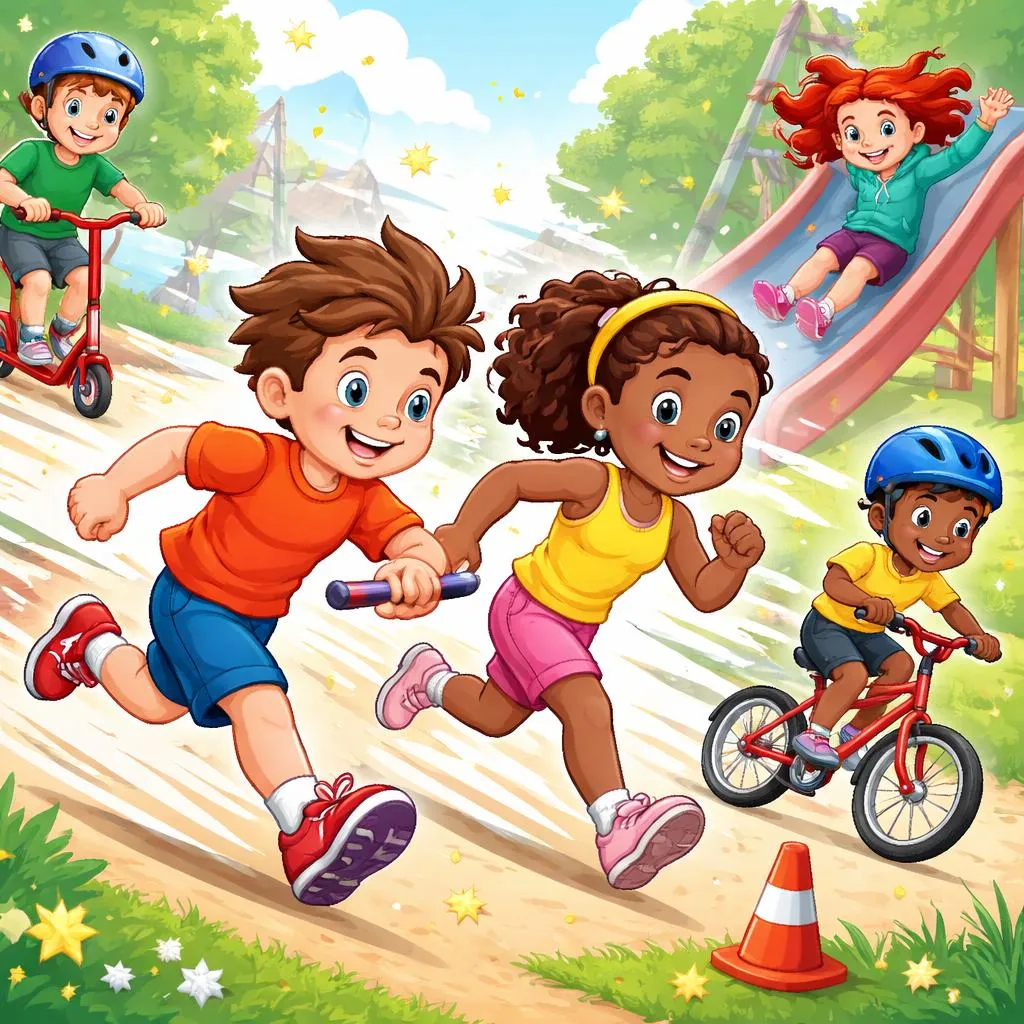

Children sometimes need fast help. Two words that describe fast action are “quick” and “speedy.” These words both mean fast. But they are not exactly the same. Knowing the difference helps kids talk about time and reactions. It also helps parents understand urgency. This article explores both words in an energetic and friendly way. Parents and children can read together. We will compare meanings, contexts, and easy memory tricks. Let us begin this fast learning journey.
Are Similar Words Really Interchangeable? English has many word pairs that seem identical. “Quick” and “speedy” both mean moving or happening fast. But you cannot always swap them. Each word carries a unique shade of meaning. Using the wrong word can make your message less clear. Kids need to learn these small differences. It helps them describe races, answers, and help. It also helps them understand stories about heroes. Parents can point out both words during active moments. Say “You gave a quick answer.” Say “The speedy rabbit won the race.” This builds natural awareness.
Set 1: Quick vs Speedy — Which One Is More Common? Let us check how often people use each word. “Quick” appears very frequently in daily talk. You hear it at home, in schools, and on TV. “Quick question.” “Quick lunch.” “Speedy” is less common. It sounds slightly more playful or informal. Cartoons use “speedy.” Race cars use “speedy.” Parents can help kids notice this difference. Listen for both words during one family week. Count how many times you hear “quick.” Then count “speedy.” This simple game shows kids that frequency matters for real-life English.
Set 2: Quick vs Speedy — Same Meaning, Different Contexts Both words mean fast. But the context changes your choice. “Quick” often describes actions, reactions, or short time periods. Example: “She gave a quick reply.” “Speedy” often describes movement or delivery. Example: “The speedy delivery arrived in one day.” Teach kids this difference with a simple question. “Are you talking about a reaction or short time?” That points to quick. “Are you talking about movement or travel?” That points to speedy.
Set 3: Quick vs Speedy — Which Word Is “Bigger” or More Emphatic? Some fast words feel more intense than others. “Quick” can describe very short actions. A quick blink. A quick nod. “Speedy” often describes sustained speed over distance. A speedy car. A speedy runner. So “speedy” often feels bigger in duration. Kids can imagine two race cars. Quick is a fast start. Speedy is fast the whole race. This image helps them understand the difference in length.
Set 4: Quick vs Speedy — Concrete vs Abstract Concrete words connect to clear, physical things. Abstract words connect to ideas and concepts. “Speedy” can be very concrete. You can see a speedy rabbit. You can watch a speedy train. “Quick” is slightly more abstract. It often describes a quality of reaction or time. A quick mind. A quick decision. Kids grasp concrete words first. So “speedy” for visible speed may come earlier. As children grow, introduce “quick” for reactions and short actions.
Set 5: Quick vs Speedy — Verb or Noun? First Understand the Role Both words are adjectives. They describe actions or things. Their noun forms are different. “Quick” becomes “quickness.” “Speedy” becomes “speediness.” Knowing the roots helps kids build vocabulary. You can say “Quickness means being quick.” You can say “Speediness means being speedy.” Parents can play a word-family game. Say a noun. Ask the child to make an adjective. Quickness becomes quick. Speediness becomes speedy. Then use both in one sentence. “Quickness made his reply quick.” “Speediness made the car speedy.”
Set 6: Quick vs Speedy — American English vs British English English varies across countries. American and British speakers use these words almost the same way. Both use “quick” and “speedy” frequently. However, British English sometimes uses “speedy” less often. British speakers prefer “quick” or “fast.” Americans use “speedy” more in advertising. “Speedy delivery.” Spelling does not change. Parents can show kids movies or shows from both countries. Listen for how characters describe fast things. This teaches that “quick” is universal while “speedy” is more common in American English.
Set 7: Quick vs Speedy — Which Fits Formal Situations? Formal situations need careful word choice. Writing a school report. Speaking to a teacher. Describing speed. “Quick” fits well in most formal settings. Example: “The student showed quick improvement.” “Speedy” sounds less formal and more casual. “Speedy service” works in business but not in academic reports. For formal writing, choose “quick” for reactions and time. Choose “rapid” or “fast” for serious contexts. Save “speedy” for fun or casual talk. Kids can practice writing two formal sentences. One using “quick.” One using “speedy.” Compare which sounds more professional.
Set 8: Quick vs Speedy — Which One Is Easier for Kids to Remember? Kids remember words that connect to their daily lives. “Quick” has one syllable. “Speedy” has two syllables. Shorter is easier. “Quick” appears in many daily phrases. “Quick shower.” “Quick snack.” “Quick hug.” This repetition makes “quick” unforgettable. “Speedy” sounds like “speed,” which kids know from race cars. You can say “Speedy means full of speed.” For very young learners, start with “quick.” Use it during daily tasks. “Let us do a quick cleanup.” For older kids, introduce “speedy” for fun descriptions of fast movers. Praise them when they try it.
Mini Exercise: Can You Spot the Differences Between These Similar Words? Let us practice together. Read each sentence. Choose “quick” or “speedy.” Answers are at the bottom.
The cheetah is a ______ animal that can outrun most others.
I just need a ______ answer. Yes or no?
The ______ rabbit finished the race in first place.
She took a ______ look at the instructions before starting.
The delivery service promises ______ shipping within two days.
He made a ______ decision and chose the red one.
Answers: 1 speedy, 2 quick, 3 speedy, 4 quick, 5 speedy, 6 quick
Discuss each answer with your child. Ask why one word fits better. Talk about movement over distance versus short reactions. This turns learning into a fast and fun family conversation.
Parent Tips: How to Help Kids Learn and Remember Similar Words Parents can make vocabulary building part of daily routines. First, use both words in your daily talks. Say “Let us do a quick tidy-up.” Say “The speedy train will get us there fast.” Kids absorb what they hear. Second, create a speed chart. Draw a lightning bolt for “quick” (short time). Draw a race car for “speedy” (fast movement). Third, read picture books about races or animals. Pause when something moves fast. Ask “Is it quick or speedy?” Fourth, play the “Time vs Movement” game. Short time or reaction equals quick. Fast movement equals speedy. Fifth, celebrate every correct use. A quick high-five or a speedy dance works wonders.
Children benefit from understanding both quick and speedy. These words help them describe speed and time. Giving kids the right tools empowers them. They can ask for a quick answer. They can describe a speedy animal. They can understand stories about races better. Keep practicing together. Keep moving and having fun. Your child’s vocabulary will grow. And so will their ability to use just the right word for every fast moment in their busy, quick, speedy, wonderful day.