
Children feel happy about many things. A new toy. A tasty snack. A fun game. Two common phrases share this happiness. “I like it” and “I love it.” Both mean “This makes me feel good.” But they carry different strengths. Parents and kids can learn together. Choosing the right word shows how you truly feel. It also helps others understand you better. Let us explore these two positive expressions.
What Do These Expressions Mean? “I like it” means “This gives me pleasure.” You enjoy the thing. It makes you smile. But it does not overwhelm you.
For a child, think of a sunny day. “I like it” says “This is nice. I am happy with this.”
“I love it” means “This gives me strong happiness.” You feel excited. The thing fills your heart. You want more of it.
For a child, think of a birthday morning. The presents. The cake. The family. “I love it” says “This is amazing. I feel so much joy.” Both phrases show enjoyment. Both share positive feelings. They seem similar because people use both to say yes to something. Yet one is mild. The other is strong.
What’s the Difference? The main difference is strength. “I like it” is calm happiness. You approve of something. You would not be sad if it went away.
“I love it” is strong happiness. You treasure something. You would miss it very much.
Another difference is time. “I like it” can change quickly. Today you like broccoli. Tomorrow you may not. “I love it” feels more lasting. Love for a pet. Love for a family member. Love for a favorite blanket.
One more difference is reaction. “I like it” gets a small nod and a smile. “I love it” gets big eyes, a hug, or jumping up and down.
Also, “like” works for many things. Food. Colors. Games. Songs. “Love” works best for special things. People. Pets. Places. Hobbies you do every day.
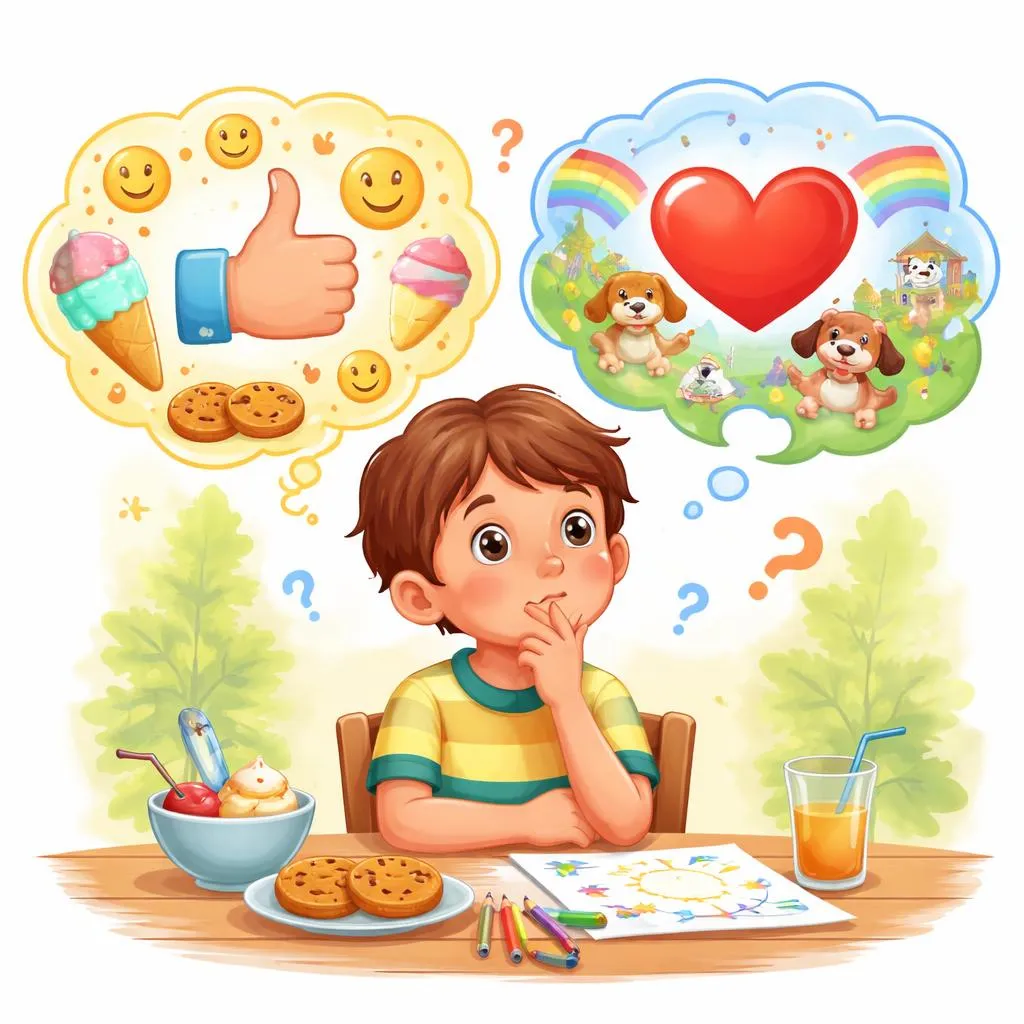
Teach children that both words are good. One is a quiet smile. One is a happy dance.
When Do We Use Each One? Use “I like it” for everyday things. A new pencil. Say “I like it.” A sandwich for lunch. Say “I like it.” A TV show. Say “I like it.”
Use “I like it” when you try something for the first time. A new fruit. Take a bite. Say “I like it.” A new game. Play once. Say “I like it.”
Use “I like it” to be polite. A friend gives you a drawing. Say “I like it.” A grandparent gives socks. Say “I like them.” It is kind and honest.
Use “I love it” for deep feelings. Your favorite food. Say “I love pizza.” Your best friend. Say “I love playing with you.”
Use “I love it” for things you choose again and again. A movie you watch ten times. Say “I love it.” A shirt you wear every week. Say “I love it.”
Use “I love it” for family and pets. “I love my mom.” “I love my dog.” These are big, true feelings. “Love” fits perfectly.
Parents can model both. Say “I like this coffee” in the morning. Say “I love you” at night. Children learn the difference through your voice.
Example Sentences for Kids Here are simple sentences children can say.
I like it:
I like this apple. It is sweet.
I like your blue shirt.
I like playing tag at recess.
I like the way this book smells.
I like when you read me stories.
I love it:
I love my stuffed bear. I sleep with him every night.
I love ice cream. It is the best.
I love you, Grandma.
I love swimming in the lake.
I love this song. Play it again.
Read these aloud. Notice how “I like it” sounds calm and friendly. Notice how “I love it” sounds stronger and warmer. Practice both with true feelings.
Common Mistakes to Avoid Children often mix these phrases. Here are common errors.
Mistake 1: Saying “I love it” for everything. Example: “Do you like this pea?” “I love it.” This sounds strange. Love is too strong for a single pea. Correct: Say “I like it” for small things. Save “love” for big things.
Mistake 2: Saying “I like it” for very special things. Example: “Do you love your new baby sister?” “I like her.” This sounds cold. The baby sister deserves “love.” Correct: Say “I love her so much.”
Mistake 3: Using a flat voice for “I love it.” A bored “I love it” confuses people. They think you do not mean it. Correct: Smile. Make your voice higher. Show the love.
Mistake 4: Saying “I like it” to a gift that you truly love. Someone gives you a dream toy. You say “I like it.” They feel you are not excited. Correct: Say “I love it! Thank you!” Jump a little. Show joy.
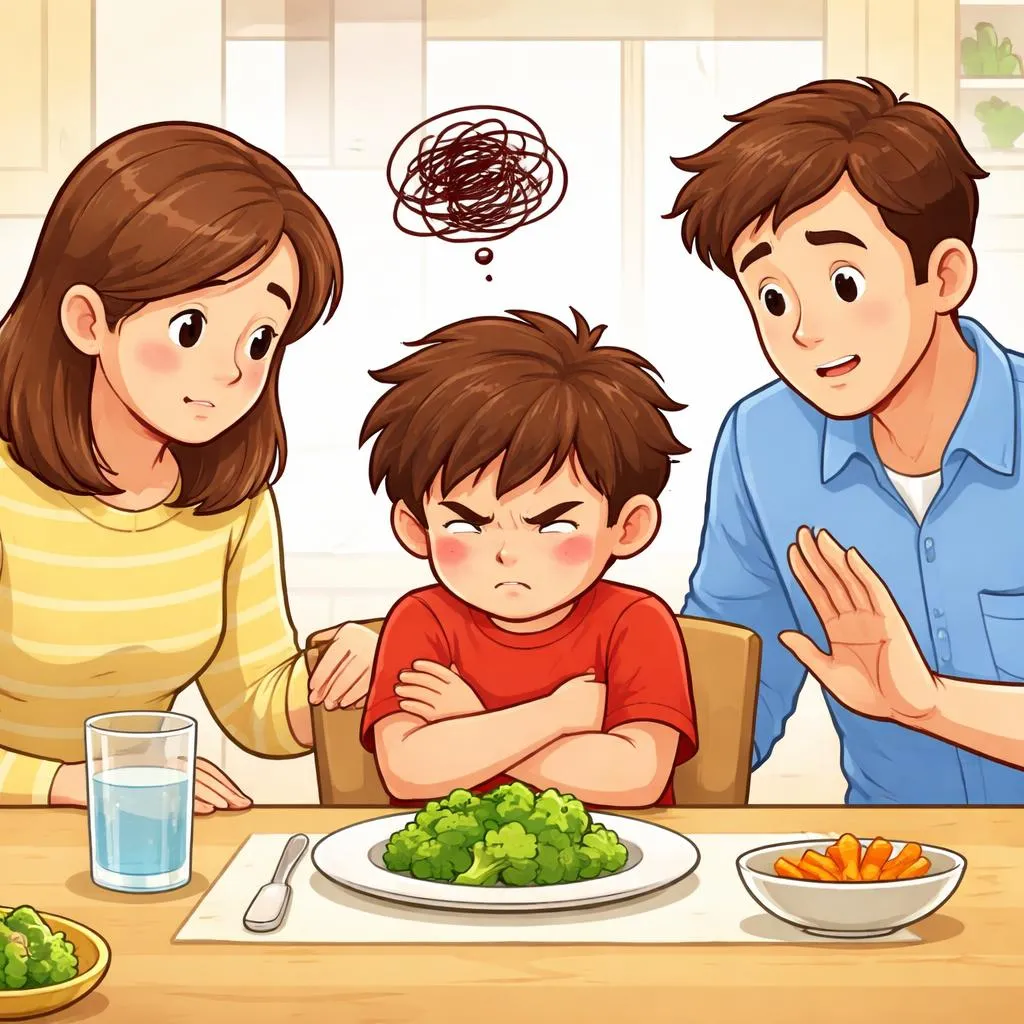
Mistake 5: Forgetting that “love” can be too strong for food. Some people say “I love pizza” and that is fine. But saying “I love broccoli” every day may sound funny. Correct: Use “like” for everyday foods. Use “love” for your absolute favorite.
Easy Memory Tips Here are simple memory tricks.
Memory tip 1: Think of a candle and a bonfire. “I like it” is a candle. Warm and nice. “I love it” is a bonfire. Big, hot, and bright.
Memory tip 2: Use your heart. Tap your chest gently for “I like it.” Hold your heart with both hands for “I love it.”
Memory tip 3: Think about missing it. If the thing goes away and you feel a little sad = “I like it.” If the thing goes away and you cry = “I love it.”
Memory tip 4: Draw a thermometer. Low temperature = “I like it.” High temperature = “I love it.”
Memory tip 5: Use the “every day or once in a while” rule. Something you enjoy once in a while = “I like it.” Something you need every day or week = “I love it.”
Practice these tips during dinner. Talk about the food. Say “like” or “love” for each dish.
Quick Practice Time Try these exercises. Parents read aloud. Children answer.
Exercise 1: Choose the best phrase.
Your aunt gives you a candy bar. You are happy but not overjoyed. Do you say: a) I like it b) I love it
Your favorite team wins the championship. You scream with joy. Do you say: a) I like it b) I love it
A classmate shows you their new eraser. It is fine. Do you say: a) I like it b) I love it
Answers: 1(a), 2(b), 3(a)
Exercise 2: Fill in the blank.
“This blanket is soft. __________.” (calm, positive)
“This is the best day ever! __________!” (strong, excited)
Answers: 1. I like it, 2. I love it
Bonus: Play the “Feeling Thermometer.” Draw a line from 0 to 10. 0 is “I do not like it.” 5 is “I like it.” 10 is “I love it.” Name different things. Place them on the thermometer. Talk about why some things get a 5 and some get a 10.
Wrap-up Say “I like it” for calm, everyday enjoyment. Say “I love it” for strong, deep happiness. Both words spread kindness. One is a quiet smile. One is a happy hug. Choose the one that matches your heart.