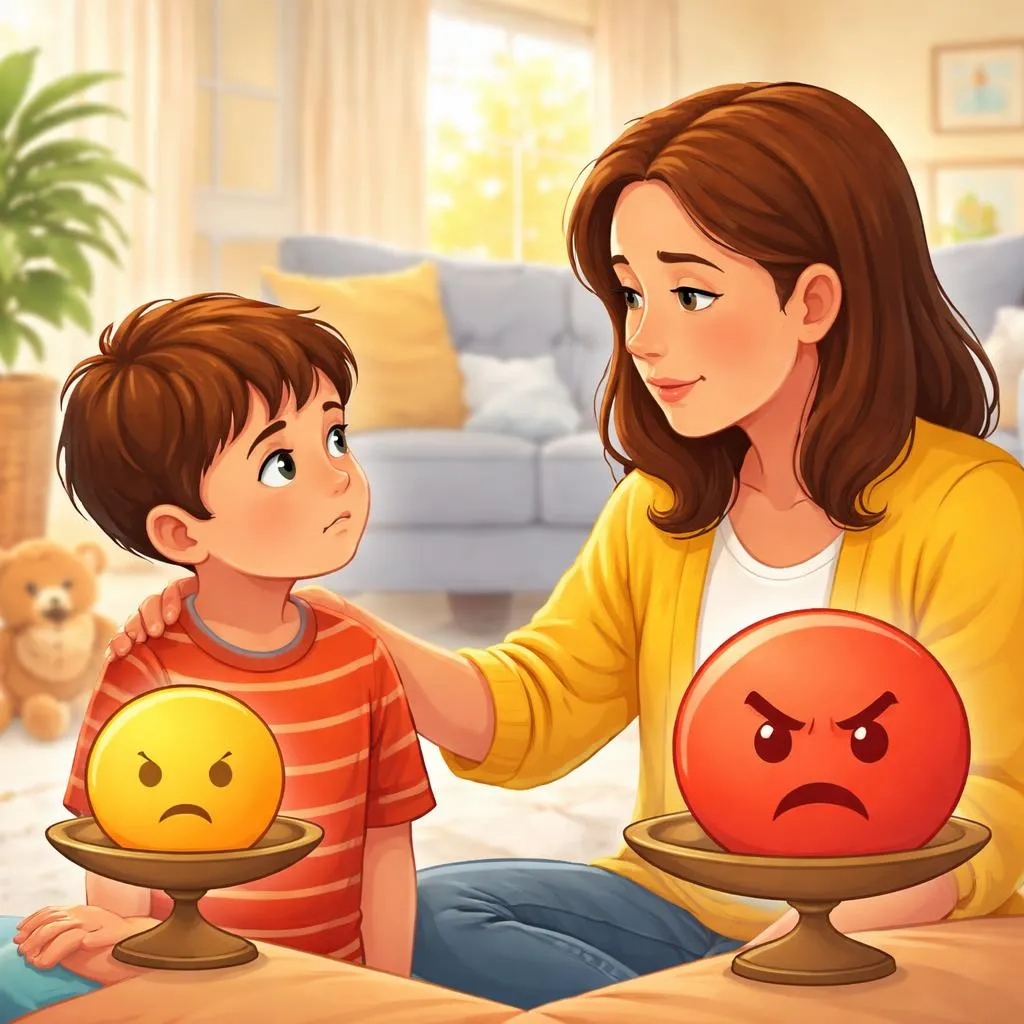

Not every moment brings praise. Children make mistakes. They break rules. They try things that do not work. Two common phrases describe poor outcomes. “Very bad” and “Terrible.” Both mean “This is not good.” But one is much stronger. Parents and kids can learn together. Giving negative feedback takes care. The right words correct without crushing spirit. Let us explore these two difficult expressions.
What Do These Expressions Mean? “Very bad” means “This is not good at all.” The word “bad” means low quality or wrong. “Very” makes it stronger. The message is clear and negative.
For a child, think of a spilled glass of milk. “Very bad” says “That was not a good choice. But we can clean it up.”
“Terrible” means “This is extremely bad.” It is much stronger than “very bad.” It means the worst possible outcome.
For a child, think of a broken window. “Terrible” says “This is very serious. I am very upset about this.” Both phrases express disapproval. Both say “This needs to change.” They seem similar because parents use both when upset. Yet one describes a mistake. The other describes a disaster.
What’s the Difference? The main difference is severity. “Very bad” fits medium-sized mistakes. A child lies about homework. A child hits a friend. These are very bad. But they are not terrible.
“Terrible” fits the biggest mistakes. Dangerous actions. Cruel behavior. Things that hurt someone badly.
Another difference is emotional weight. “Very bad” sounds disappointed. The parent feels sad or frustrated. “Terrible” sounds shocked or angry. The parent feels very strong emotion.
One more difference is fixability. “Very bad” mistakes often have fixes. Apologize. Clean up. Try again. “Terrible” mistakes may not have easy fixes. Something important broke. Someone got hurt badly.
Also, “terrible” can sound more harsh. Children remember it longer. Use it very carefully.
Teach children that both words are serious. But “terrible” is for the most serious moments only.
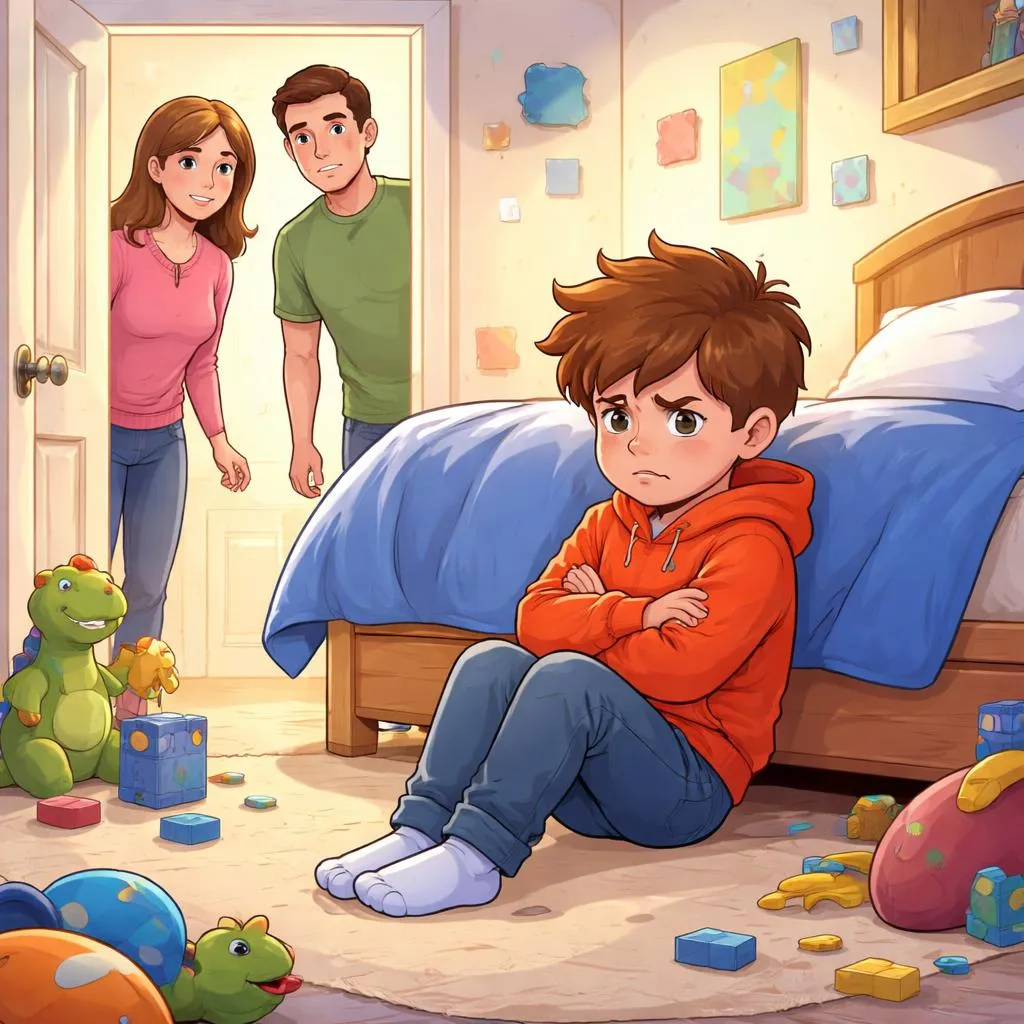
When Do We Use Each One? Use “Very bad” for discipline moments. A child forgets to do a chore. Say “That is very bad. What can you do to fix it?”
Use “Very bad” for repeated small mistakes. A child keeps interrupting. Say “That is very bad manners. Please wait your turn.”
Use “Very bad” for choices that break family rules. Taking a cookie before dinner. Not telling the truth about a small thing. Say “That was a very bad choice.”
Use “Terrible” for dangerous actions. A child runs into the street. Say “That is terrible. You could have been hurt.”
Use “Terrible” for cruelty. A child calls another a mean name on purpose. Say “That was terrible. We do not hurt people with words.”
Use “Terrible” for broken trust. A child lies about something important. A child steals something. Say “That is terrible. You broke my trust.”
Save “terrible” for rare, serious moments. If you say it often, it loses its power.
Parents can model both. Say “very bad” for everyday discipline. Keep “terrible” locked away for true emergencies.
Example Sentences for Kids Here are simple sentences children can hear.
Very bad:
That was a very bad choice to draw on the wall.
Very bad listening today. Let us try again tomorrow.
Very bad. You forgot to feed the fish.
That is very bad manners to grab the toy.
Very bad. We do not throw food.
Terrible:
That was terrible. You pushed your friend off the swing.
Terrible. You ran into the street without looking.
That is terrible. You broke your sister’s gift on purpose.
Terrible behavior at the store today. We need to talk.
That was a terrible lie. I am very disappointed.
Read these aloud. Notice how “very bad” sounds disappointed but calm. Notice how “terrible” sounds much more serious and heavy.
Common Mistakes to Avoid Parents make mistakes with these words. Here are common errors.
Mistake 1: Saying “terrible” for every mistake. Example: A child drops a fork. “Terrible!” The word becomes meaningless. Correct: Use “terrible” only for serious, dangerous, or cruel acts.
Mistake 2: Saying “very bad” about the child, not the action. Example: “You are very bad.” This hurts the child’s identity. Correct: Say “That was a very bad choice” or “Very bad behavior.”
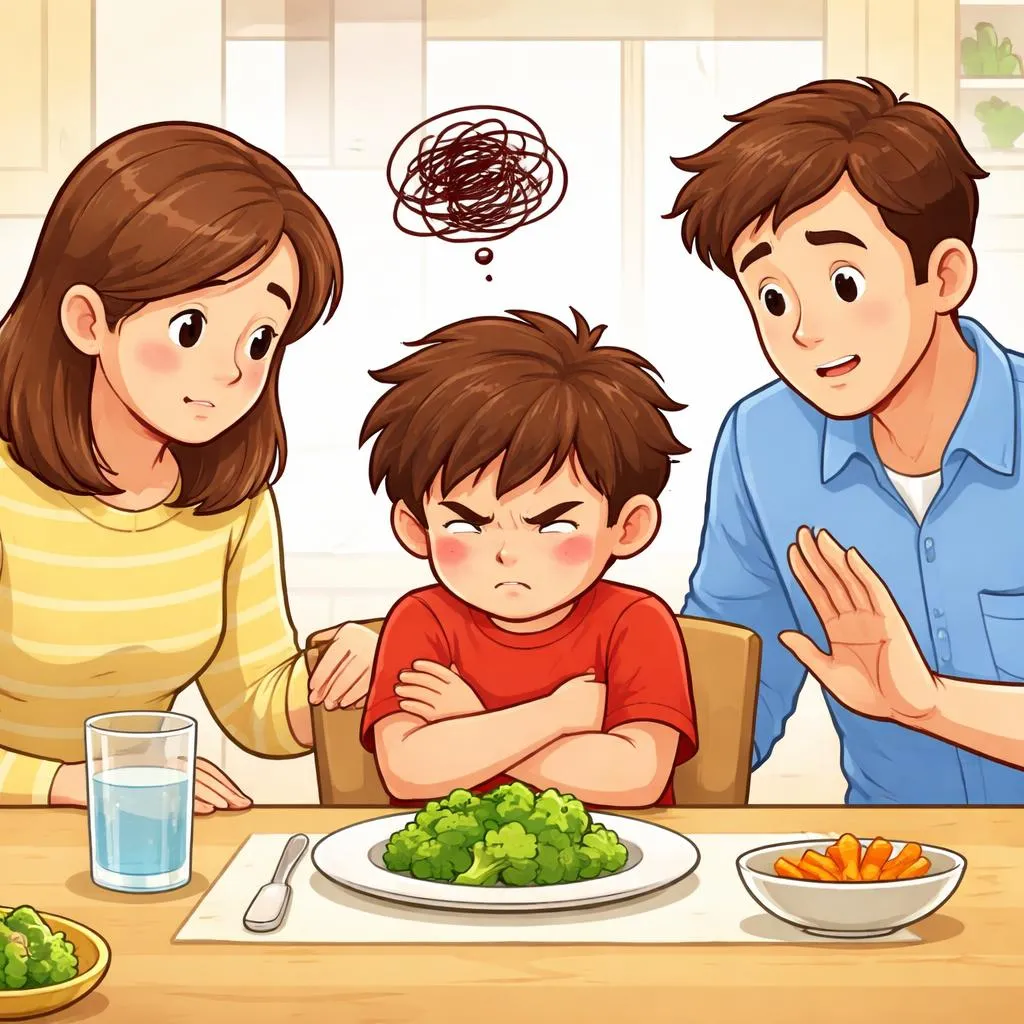
Mistake 3: Using a screaming voice with either phrase. Shouting scares children. They stop listening to the words. Correct: Use a firm, low voice. Stay calm. Mean what you say.
Mistake 4: Forgetting to offer a fix. Just saying “very bad” leaves the child stuck. They do not know how to make it right. Correct: Say “That was very bad. Now how will you fix it?”
Mistake 5: Comparing children. “Your brother never does such terrible things.” This hurts both children. Correct: Focus only on the behavior and the child in front of you.
Easy Memory Tips Here are simple memory tricks.
Memory tip 1: Think of a spilled cup and a broken bone. “Very bad” is spilled milk. It is a problem. You clean it up. “Terrible” is a broken arm. It is serious. It needs real help.
Memory tip 2: Use a number scale. 1-5 problems = “very bad.” 6-10 problems = “terrible.”
Memory tip 3: Think about danger. No one got hurt = “very bad.” Someone got hurt = “terrible.”
Memory tip 4: Draw two faces. A sad, disappointed face = “very bad.” A shocked, upset face with wide eyes = “terrible.”
Memory tip 5: Use the “once a month” rule for “terrible.” If you say “terrible” more than once a month, you are using it too much. Save it for the biggest moments.
Practice these tips during calm times. Talk about past mistakes. Decide together: very bad or terrible?
Quick Practice Time Try these exercises. Parents read aloud. Children answer.
Exercise 1: Choose the best phrase.
A child forgets to put their shoes away three times this week. Do you say: a) Very bad b) Terrible
A child pushes another child down the stairs on purpose. The other child cries. Do you say: a) Very bad b) Terrible
A child draws a small mark on the wall with a crayon. Do you say: a) Very bad b) Terrible
Answers: 1(a), 2(b), 3(a)
Exercise 2: Fill in the blank.
“__________. You did not do your homework again.” (medium mistake)
“__________. You hurt the cat on purpose.” (serious, cruel)
Answers: 1. Very bad, 2. Terrible
Bonus: Practice the “Fix It” rule. Every time you say “very bad” or “terrible,” also ask “What can you do to fix it?” or “What will you do differently next time?” Turn criticism into learning.
Wrap-up Use “very bad” for medium mistakes that need correction. Use “terrible” only for very serious, dangerous, or cruel behavior. Never call a child bad or terrible. Only name the behavior. And always help the child find a way back to good choices.