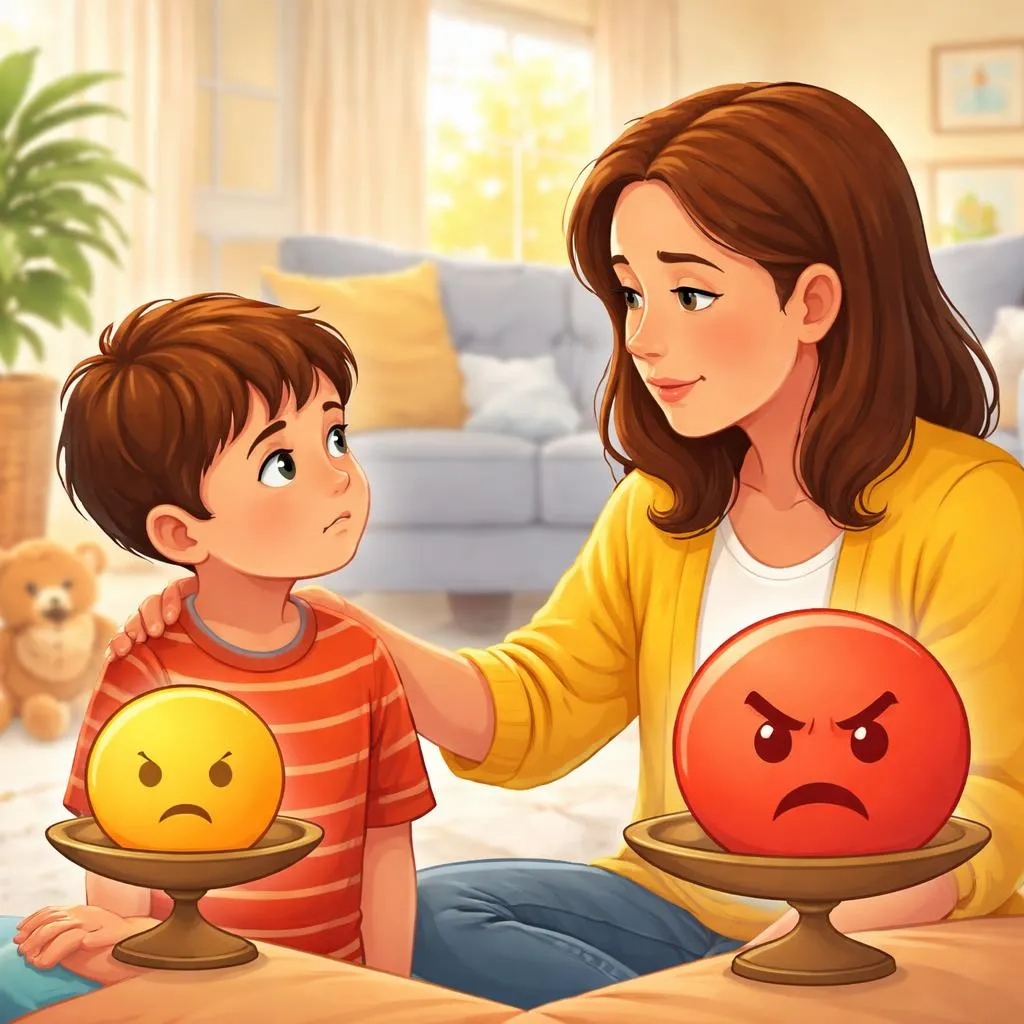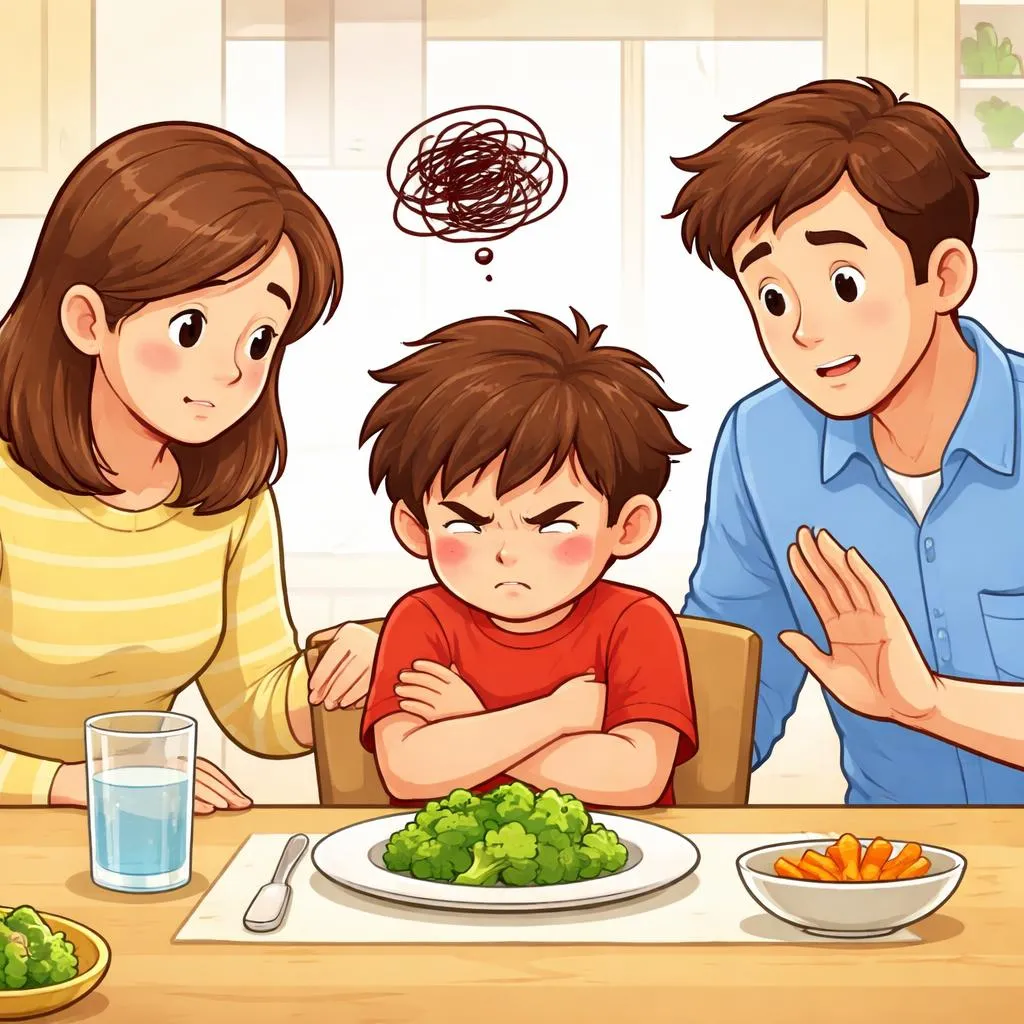

Everyone needs space sometimes. Children feel overwhelmed. They feel tired. They feel sad. Two phrases help them ask for alone time. “Go away” and “Leave me alone.” Both ask people to step back. Both set boundaries. But they sound very different. Parents and kids can learn together. Asking for space is a skill. The right words protect feelings without hurting others. Let us explore these two honest requests.
What Do These Expressions Mean? “Go away” means “Move to another place away from me.” The person should leave the area. You want physical distance.
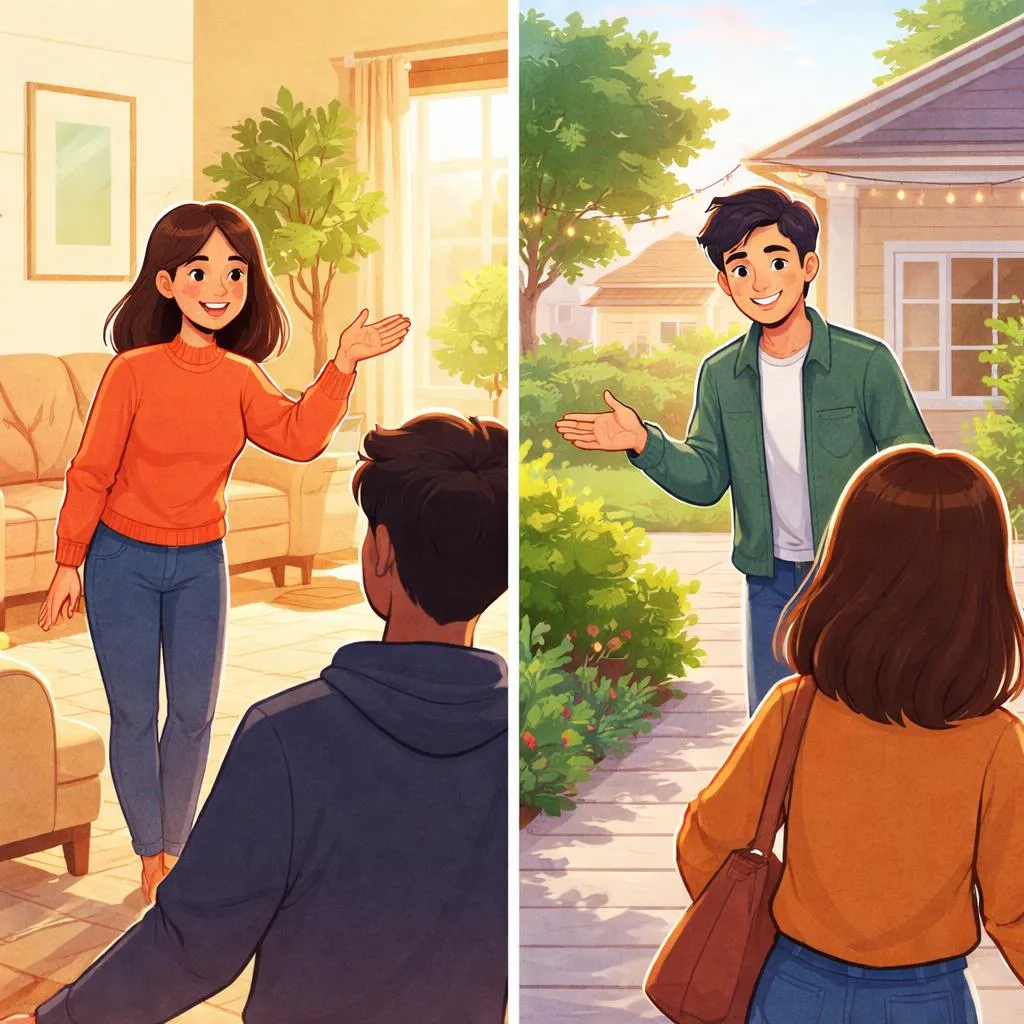
For a child, think of drawing a circle on the ground. “Go away” says “Step outside my circle. Do not come close.”
“Leave me alone” means “Stop talking to me or bothering me.” The person does not need to move far. They just need to stop interacting.
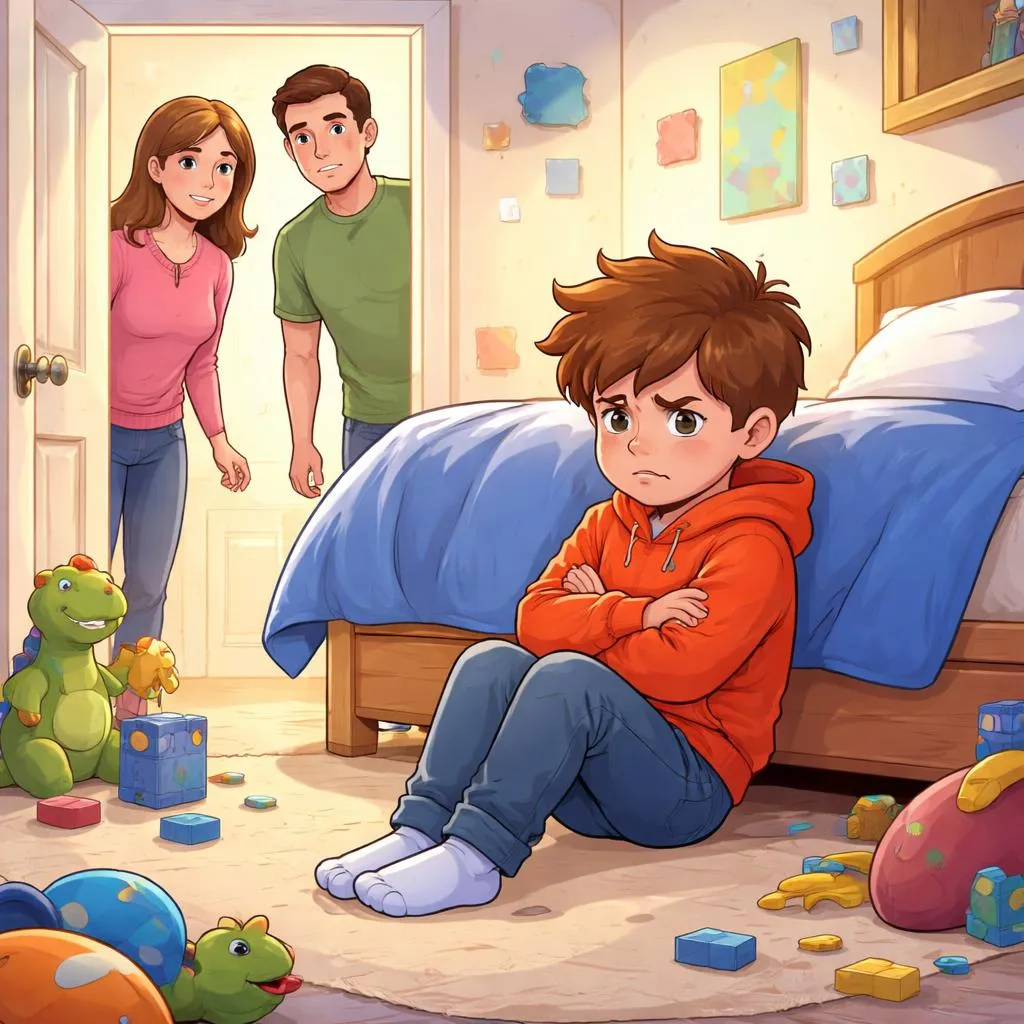
For a child, think of closing a door. “Leave me alone” says “Do not come in. Do not knock. Let me be by myself.” Both phrases ask for space. Both say “I need a break.” They seem similar because people use them when upset or tired. Yet one asks for physical distance. The other asks for social distance.
What’s the Difference? The main difference is focus. “Go away” focuses on location. You want the person to move somewhere else. The problem is their presence in your space.
“Leave me alone” focuses on interaction. You want the person to stop talking or asking. The problem is their attention on you.
Another difference is strength. “Go away” can sound harsh. It is very direct. It leaves little room for kindness.
“Leave me alone” can sound sad or tired. It often comes from feeling overwhelmed, not angry.
One more difference is duration. “Go away” often means forever or for a long time. “Leave me alone” often means for a short time. Just until you feel better.
Also, “go away” is rarely polite. Even adults struggle to say it kindly. “Leave me alone” can be softer if you use a gentle voice.
Teach children that both phrases are strong. They should use them only when needed. Kindness still matters, even when asking for space.
When Do We Use Each One? Use “Go away” only in very specific moments. When someone is in your personal space and will not move. When a stranger bothers you. When you feel unsafe.
Use “Go away” if someone keeps touching you after you said stop. Say “Go away. Do not touch me.” This sets a firm boundary.
Use “Go away” for safety. A person follows you. Say “Go away” loudly to get help. Otherwise, try softer words first.
Use “Leave me alone” when you feel tired or overstimulated. After a long day at school. During a big argument. When you need to calm down.
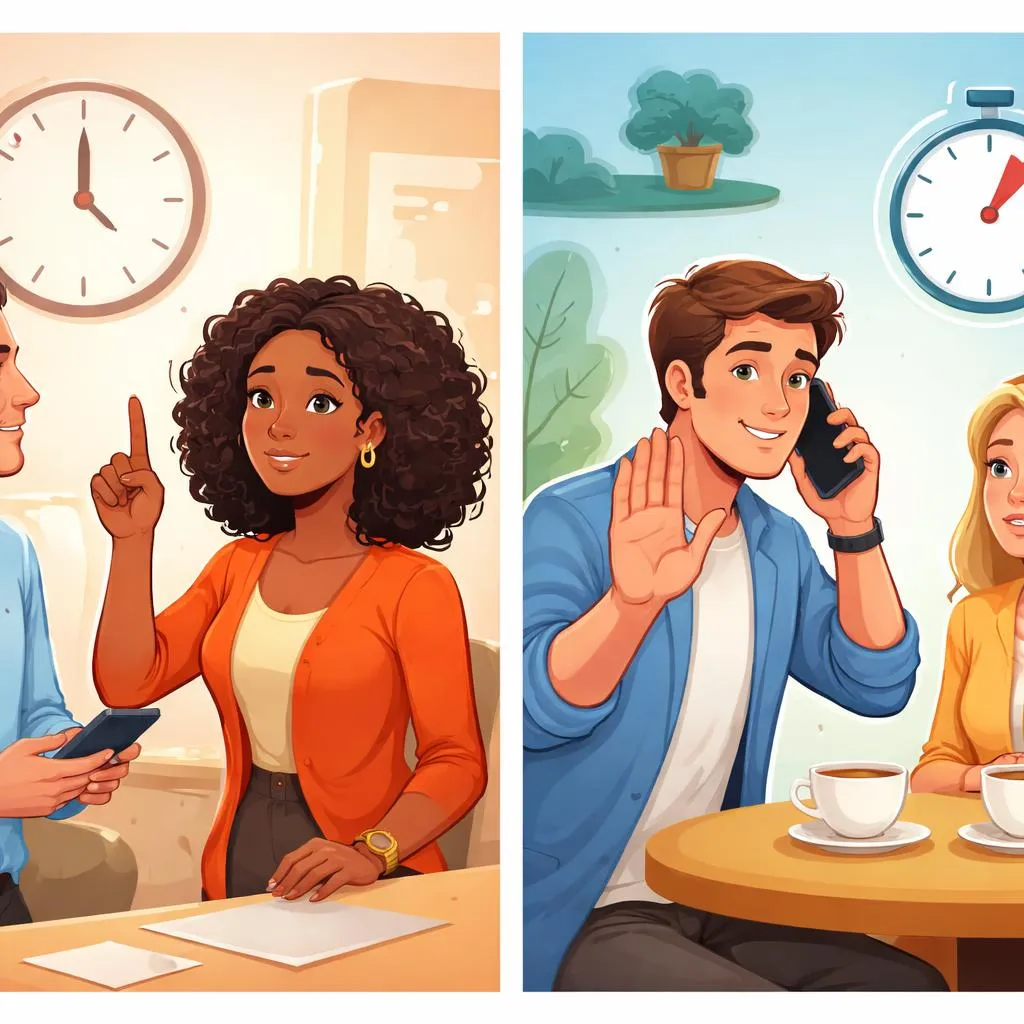
Use “Leave me alone” with people you know. A sibling keeps asking questions. Say “Leave me alone for five minutes.” A friend wants to play but you feel sad. Say “Leave me alone right now. I will play later.”
Use “Leave me alone” when you need quiet time. To read. To draw. To think. To cry. It is okay to say this nicely.
Parents can model better phrases. Instead of “go away,” say “I need space right now.” Instead of “leave me alone,” say “I need a few minutes by myself.” Children learn kindness from watching you.
Example Sentences for Kids Here are simple sentences children can say.
Go away:
Go away. I want to be in my room alone.
Please go away. You are standing too close.
Go away. I need to think by myself.
Go away. I do not want to play right now.
Go away. You are scaring me.
Leave me alone:
Leave me alone for a little while.
Please leave me alone. I feel grumpy.
Leave me alone. I will talk later.
Leave me alone. I am reading my book.
Leave me alone. I need to calm down.
Read these aloud. Notice how “go away” sounds stronger and more final. Notice how “leave me alone” sounds tired and temporary. Practice gentle tones.
Common Mistakes to Avoid Children often misuse these phrases. Here are common errors.
Mistake 1: Saying “go away” to a friend who did nothing wrong. Example: A friend says “Hi.” A child says “Go away.” The friend feels hurt and confused. The friendship suffers. Correct: Say “I do not feel like talking right now. Can we talk later?”
Mistake 2: Saying “leave me alone” in a screaming voice. A loud scream scares people. It also sounds mean. Correct: Say it in a calm, tired voice. Add “please” if you can.
Mistake 3: Using these phrases for small annoyances. A sibling asks one question. A child yells “Leave me alone!” That is too strong. It hurts feelings over nothing. Correct: Take a breath. Say “Not right now, please.”
Mistake 4: Forgetting to explain later. After asking for space, the other person may worry. Correct: Later, say “I was tired before. I am okay now. Sorry if I sounded rude.”
Mistake 5: Never using softer alternatives. Some children only know “go away” and “leave me alone.” They need more tools. Correct: Learn kind phrases too. “I need space.” “Not now.” “Let me finish this first.”
Easy Memory Tips Here are simple memory tricks.
Memory tip 1: Think of a fence and a curtain. “Go away” is a fence. It keeps people out of your yard. “Leave me alone” is a curtain. It keeps people from seeing you. They can stay nearby but not interact.
Memory tip 2: Use your hands. Push your hands outward for “go away” (move away from me). Cover your ears for “leave me alone” (stop talking to me).
Memory tip 3: Think about the problem. If the problem is their body near you = “go away.” If the problem is their words or noise = “leave me alone.”
Memory tip 4: Draw two faces. One angry face with an arrow pointing away. Write “go away.” One tired face with a “shh” finger to lips. Write “leave me alone.”
Memory tip 5: Use the “five minute rule.” Only say “go away” if you never want to see them again today. Say “leave me alone” if you just need five minutes.
Practice these tips during calm moments. Talk about better ways to ask for space.
Quick Practice Time Try these exercises. Parents read aloud. Children answer.
Exercise 1: Choose the best phrase.
A stranger on the playground keeps following you. You feel scared. Do you say: a) Go away b) Leave me alone
Your little sister keeps asking “why” over and over. You feel tired. Do you say: a) Go away b) Leave me alone
Your friend stands two inches from your face. You cannot breathe. Do you say: a) Go away b) Leave me alone
Answers: 1(a), 2(b), 3(a)
Exercise 2: Fill in the blank.
“__________. I am having a bad day. I will find you later.” (temporary, tired)
“__________. You are in my seat. Please move.” (physical space, stronger)
Answers: 1. Leave me alone, 2. Go away
Bonus: Practice kinder versions. Say “I need space” instead of “go away.” Say “I need quiet time” instead of “leave me alone.” Role-play both versions. Talk about how each one feels to the person hearing it.
Wrap-up Use “go away” for physical space and safety situations. Use “leave me alone” for quiet time and emotional breaks. Both are strong words. Use them only when needed. Always try a kind voice and a “please.” And remember to explain yourself later. Space heals. Kind words heal too.