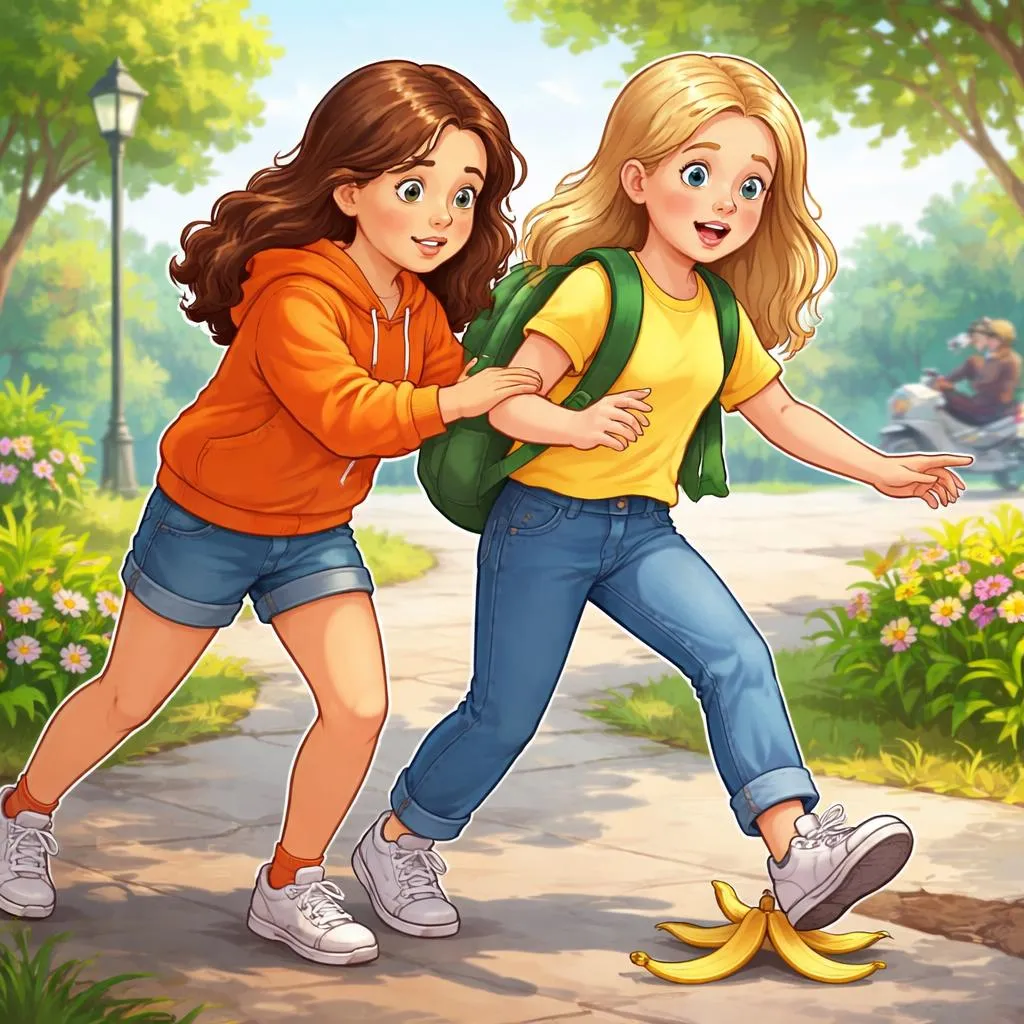

Children play. Children run. Children climb. Sometimes they need a warning. Two common phrases keep them safe. “Be careful” and “Watch out.” Both prevent accidents. Both come from care. But they sound different. Parents and kids can learn together. Giving a warning is an act of love. The right words protect without scaring. Let us explore these two safety phrases.
What Do These Expressions Mean? “Be careful” means “Pay attention to what you are doing.” It asks a person to act with caution. The message is gentle and general.
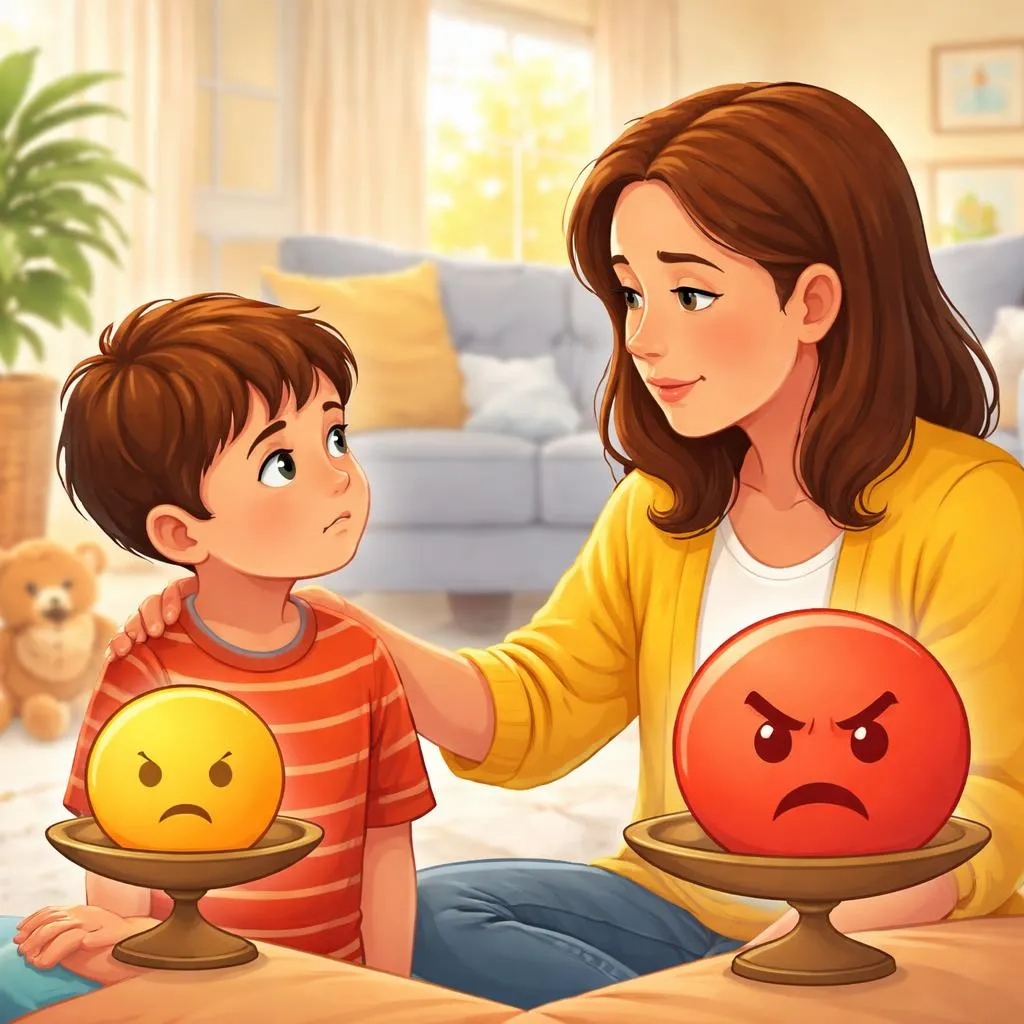
For a child, think of a soft hand on your shoulder. “Be careful” says “I care about you. Please stay safe.”
“Watch out” means “Danger is very close right now.” It signals an immediate threat. The message is urgent and specific.
For a child, think of a loud shout across a playground. “Watch out” says “Stop or move! Something will hurt you now.” Both phrases warn of danger. Both try to prevent harm. They seem similar because adults use both to keep children safe. Yet one is calm. The other is urgent.
What’s the Difference? The main difference is urgency. “Be careful” works for everyday risks. A child carries scissors. Say “Be careful.” A child walks near a puddle. Say “Be careful.”
“Watch out” works for sudden, immediate danger. A ball flies toward a child’s face. Shout “Watch out!” A car backs up. Shout “Watch out!”
Another difference is timing. “Be careful” comes before an activity. You say it as a reminder. “Watch out” comes during the danger. You say it in the moment.
One more difference is volume. “Be careful” can be quiet or normal voice. “Watch out” is often loud. You raise your voice to stop fast movement.
Also, “be careful” gives advice. It helps a child learn safe habits. “Watch out” gives a command. It demands immediate action.
Teach children that both keep people safe. One prevents danger. One stops danger that is already happening.
When Do We Use Each One? Use “Be careful” before starting something risky. Climbing a tree. Say “Be careful.” Cutting with a knife. Say “Be careful.”
Use “Be careful” during normal play. A child runs near a table corner. Say “Be careful.” A child carries a full cup. Say “Be careful.”
Use “Be careful” for long-term safety. “Be careful when you cross the street.” “Be careful with strangers.” This teaches habits.
Use “Watch out” for immediate danger. A child steps toward a hot stove. Shout “Watch out!” A child almost trips on a toy. Shout “Watch out!”
Use “Watch out” outdoors. A bike comes fast. “Watch out!” A branch falls. “Watch out!” A puddle hides a deep hole. “Watch out!”
Use “Watch out” when you see something the child does not see. A car turning. A low branch. A slippery spot. The child’s eyes look elsewhere. You see it first. Say “Watch out!”
Parents can model both. Say “be careful” for general safety. Save “watch out” for true emergencies. Children learn the difference through your voice.
Example Sentences for Kids Here are simple sentences children can say.
Be careful:
Be careful with that glass.
Be careful on the wet floor.
Be careful. The soup is hot.
Be careful when you open the door.
Be careful. Your shoelace is untied.
Watch out:
Watch out! The ball is coming.
Watch out for the step!
Watch out! That chair is wobbly.
Watch out! A bee is near you.
Watch out! The floor is slippery.
Read these aloud. Notice how “be careful” sounds calm and helpful. Notice how “watch out” sounds loud and quick. Practice both with the right feeling.
Common Mistakes to Avoid Children often misuse these warnings. Here are common errors.
Mistake 1: Shouting “watch out” for small risks. Example: A child walks slowly toward a pillow. You shout “Watch out!” This scares the child for no reason. They think danger is huge. Correct: Say “Be careful” in a normal voice.
Mistake 2: Saying “be careful” during a sudden emergency. Example: A child runs toward a busy street. You say “Be careful.” The child does not stop. The warning is too soft. Correct: Shout “Watch out! Stop!” The loud voice stops them.
Mistake 3: Using a flat or bored voice for “watch out.” A quiet “watch out” has no power. The child does not react. Correct: Raise your voice. Make it sharp and clear.
Mistake 4: Overusing both phrases. If you say “be careful” for everything, children stop listening. Correct: Save warnings for real risks. Trust children to manage small ones.
Mistake 5: Forgetting to explain after the danger passes. After “watch out,” the child feels scared. They need to know why. Correct: Say “I shouted because a car was coming. Now you are safe.”
Easy Memory Tips Here are simple memory tricks.
Memory tip 1: Think of a walk and a sprint. “Be careful” is a slow walk. Calm and steady. “Watch out” is a fast sprint. Quick and loud.
Memory tip 2: Use your voice volume. Normal voice = “be careful.” Loud voice = “watch out.”
Memory tip 3: Think about time. Before danger = “be careful.” During danger = “watch out.”
Memory tip 4: Draw two signs. A yellow triangle with an exclamation mark = “be careful.” A red octagon that says STOP = “watch out.”
Memory tip 5: Connect to the word “out.” “Watch out” means look outward. Something outside you is coming. “Be careful” means look inward. Pay attention to your own actions.
Practice these tips during play. Pretend there is a danger. Choose the right warning.
Quick Practice Time Try these exercises. Parents read aloud. Children answer.
Exercise 1: Choose the best phrase.
Your little brother is about to touch a hot pan on the stove. Do you say: a) Be careful b) Watch out
Your friend is using scissors to cut paper. You want them to stay safe. Do you say: a) Be careful b) Watch out
A swing comes right toward your friend’s head. Do you shout: a) Be careful b) Watch out
Answers: 1(b), 2(a), 3(b)
Exercise 2: Fill in the blank.
“__________ with the glue. It dries fast.” (general caution)
“__________! The tree branch is falling!” (immediate danger)
Answers: 1. Be careful, 2. Watch out
Bonus: Play the “Warning Game.” One person pretends to do an activity. Walking. Drawing. Running. The other person gives a warning. Use “be careful” or “watch out.” Switch roles. Talk about which warnings felt right and which felt wrong.
Wrap-up Use “be careful” for everyday risks before danger happens. Use “watch out” for sudden, immediate danger that needs a loud voice. Both show you care. Both save the day. Choose the one that matches the moment.