
Children say yes many times each day. Yes to a game. Yes to a snack. Yes to helping a friend. Two cheerful phrases make saying yes even better. “Of course” and “Sure thing.” Both mean yes. Both sound kind. But they carry different feelings. Parents and kids can learn together. Choosing the right yes builds stronger friendships. Let us explore these two happy agreements.
What Do These Expressions Mean? “Of course” means “Yes, naturally.” It shows the answer is obvious. You are happy to agree. There is no doubt in your mind.
For a child, think of a sunny sky. “Of course” means “This is as clear as the sun. I would never say no.”
“Sure thing” also means yes. But it adds warmth and ease. It means “I am happy to do that. It is no trouble at all.”
For a child, think of a high five. “Sure thing” feels quick and friendly. It makes the other person feel comfortable. Both phrases say yes with extra kindness. Both sound more cheerful than a plain “yes.” They seem similar because people use them to agree happily. Yet one feels more certain. The other feels more casual and warm.
What’s the Difference? The main difference is certainty. “Of course” shows strong certainty. You have no question in your mind. The answer was always going to be yes.
“Sure thing” shows willingness more than certainty. You are saying yes because you want to help. Not because the answer was obvious.
Another difference is formality. “Of course” works in formal and serious settings. You can say it to a teacher. To a grandparent. To a boss.
“Sure thing” feels casual and informal. It works best with friends and family. Use it at home or on the playground.
One more difference is surprise. “Of course” can mean “Why are you even asking? Of course I agree.” It can sound slightly strong.
“Sure thing” never sounds strong. It always sounds easy and light. It says “This is no big deal. I am happy to help.”
Also, “of course” can answer a question that asks for permission. “May I sit here?” “Of course.” “Sure thing” works too, but “of course” sounds more polite for permission.
Teach children that both phrases spread kindness. One shows strong agreement. One shows easy willingness.
When Do We Use Each One? Use “Of course” when someone asks for permission. “Can I have a cookie?” “Of course.” “May I go outside?” “Of course.”
Use “Of course” when the answer should be obvious to the other person. “Will you help me?” “Of course. I am your friend.”
Use “Of course” in polite situations. With teachers. With relatives. With people you respect. “Of course, Mrs. Jones.”
Use “Of course” when you want to reassure someone. A shy child asks “Is it okay to play?” “Of course it is.”
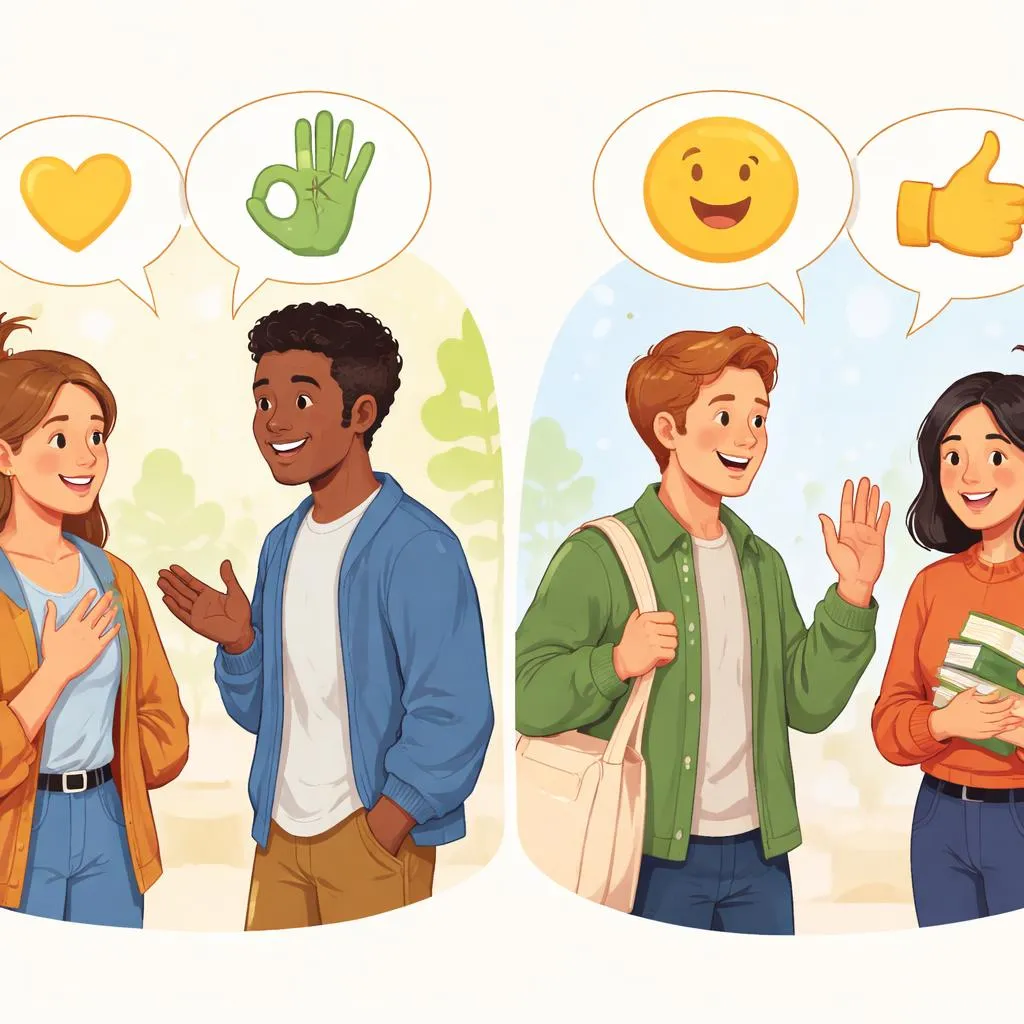
Use “Sure thing” with close friends. “Want to trade snacks?” “Sure thing.” “Come over later?” “Sure thing.”
Use “Sure thing” for small, easy favors. “Can you pass the glue?” “Sure thing.” “Hold my pencil?” “Sure thing.”
Use “Sure thing” when you want to sound extra friendly. A friend looks nervous to ask. “Sure thing” makes them relax.
Use “Sure thing” at home. A sibling asks “Can I watch with you?” “Sure thing.” A parent asks “Set the table?” “Sure thing.”
Parents can model both. Say “of course” for permission questions. Say “sure thing” for small favors. Children learn the rhythm of kindness.
Example Sentences for Kids Here are simple sentences children can say.
Of course:
Of course you can use my crayons.
Of course I will save you a seat.
Of course I like your new haircut.
Of course we can be friends.
Of course I remember your birthday.
Sure thing:
Sure thing. I will hold the door.
Sure thing. Let us build that fort.
Sure thing. I love playing this game.
Sure thing. You can borrow my book.
Sure thing. I will walk with you.
Read these aloud. Notice how “of course” sounds sure and polite. Notice how “sure thing” sounds easy and cheerful. Practice both with a smile.
Common Mistakes to Avoid Children often mix these phrases. Here are common errors.
Mistake 1: Using “sure thing” with an adult you just met. Example: A new teacher says “Please put your bag here.” A child says “Sure thing.” The teacher may think the child is too casual. Correct: Say “Of course” or “Yes, thank you.”
Mistake 2: Using “of course” for every tiny favor. Example: “Can you blink your eyes?” “Of course.” This sounds strange. “Of course” is too strong for such a silly question. Correct: Say “Sure thing” or just “Yes.”
Mistake 3: Saying “of course” in a flat or bored voice. A flat voice makes “of course” sound rude. Like “Obviously. Why did you even ask?” Correct: Smile. Warm your voice. Make it kind.
Mistake 4: Forgetting that “of course” can sound sarcastic. If someone asks a very easy question, “of course” can sound mean. Correct: Save “of course” for when the question is reasonable.
Mistake 5: Using “sure thing” in writing to a teacher. An email that says “Sure thing, Mr. Lee” sounds too casual. Correct: Write “Of course” or “Yes, I will.”
Easy Memory Tips Here are simple memory tricks.
Memory tip 1: Think of a firm nod and a happy wave. “Of course” is a firm nod. It shows strong agreement. “Sure thing” is a happy wave. It shows friendly ease.
Memory tip 2: Use the “obvious or not obvious” rule. If the answer is obvious, say “of course.” If the answer is just easy and friendly, say “sure thing.”
Memory tip 3: Think about who you are talking to. Adult you respect = “of course.” Close friend your age = “sure thing.”
Memory tip 4: Draw two yes signs. One sign has a check mark inside a circle. Write “of course” (certain). One sign has a smiley face. Write “sure thing” (friendly).
Memory tip 5: Connect to the size of the ask. Big favor from a respected person = “of course.” Small favor from a friend = “sure thing.”
Practice these tips during family conversations. Say yes in two different ways.
Quick Practice Time Try these exercises. Parents read aloud. Children answer.
Exercise 1: Choose the best phrase.
Your teacher asks “Can you pass out these papers?” Do you say: a) Of course b) Sure thing
Your best friend asks “Want to trade my apple for your orange?” Do you say: a) Of course b) Sure thing
A shy new student asks “Can I sit next to you at lunch?” You want to be kind and certain. Do you say: a) Of course b) Sure thing
Answers: 1(a), 2(b — both work, but “sure thing” feels friendlier), 3(a — “of course” reassures more strongly)
Exercise 2: Fill in the blank.
“__________ you can borrow my jacket. I have another one.” (polite, certain)
“__________. I will save the last cookie for you.” (casual, friendly)
Answers: 1. Of course, 2. Sure thing
Bonus: Play the “Yes Chain.” One person asks for a favor. The next person answers with “of course” or “sure thing” and explains why they chose that phrase. Then they ask the next person. See how many different favors you can agree to.
Wrap-up Use “of course” when you want to sound certain and polite, especially with adults. Use “sure thing” when you want to sound casual and cheerful with friends. Both spread kindness. Both say yes with a smile.