
Children face questions every day. Some questions have easy answers. Some do not. Two common phrases help children admit uncertainty. “I don’t know” and “I have no idea.” Both say the same thing. But they feel different. Parents and kids can learn together. Saying “I don’t know” takes courage. It also opens the door to learning. Let us explore these two honest phrases.
What Do These Expressions Mean? “I don’t know” means you lack information. You cannot answer the question. The message is simple and clear. It carries no extra feeling.
For a child, think of an empty cup. The cup holds no water. That is okay. “I don’t know” says your mind holds no answer right now.
“I have no idea” also means you lack information. But it adds strength. The word “idea” means a thought or guess. “No idea” means you have zero thoughts about the answer.
For a child, think of a completely empty room. No furniture. No toys. Nothing. “I have no idea” feels stronger than “I don’t know.” Both phrases admit uncertainty. Both are honest. They seem similar because they give the same message. Yet one is neutral. The other is more extreme.
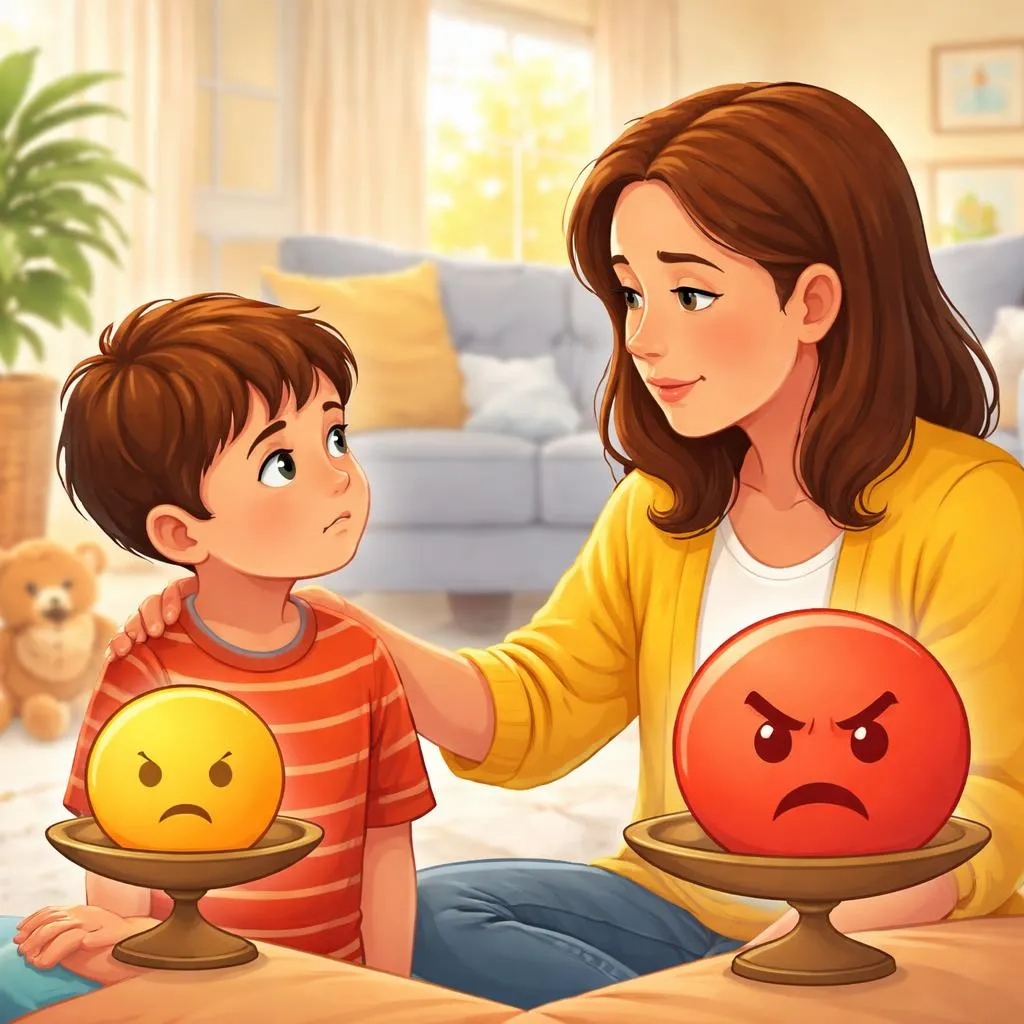
What’s the Difference? The main difference is strength. “I don’t know” feels neutral and calm. You use it for everyday questions. It does not sound strange or dramatic.
“I have no idea” feels stronger. It shows you truly cannot guess. Not even a small guess. Your mind is completely blank.
Another difference is surprise. “I don’t know” works for expected questions. A teacher asks a math fact. You say “I don’t know.” That is fine.
“I have no idea” works for surprising questions. Someone asks something very hard. Or something you never thought about. “I have no idea” shows your honest surprise.
One more difference is tone. “I don’t know” can sound soft or neutral. “I have no idea” often sounds more emotional. It can show frustration, surprise, or even humor.
Also, “I have no idea” feels more informal. Friends use it. Family uses it. “I don’t know” works in all settings. Formal and casual.
Teach children that both phrases are honest. One is quiet. One is loud. Both are okay to say.
When Do We Use Each One? Use “I don’t know” for school questions. A teacher asks a spelling word. Say “I don’t know.” A friend asks the time. Say “I don’t know.”
Use “I don’t know” for everyday moments. What is for dinner? “I don’t know.” Where are my shoes? “I don’t know.” It fits small, normal mysteries.
Use “I don’t know” when you want to stay calm. A parent asks a gentle question. A soft “I don’t know” works well.
Use “I have no idea” for very hard questions. “Why is the sky blue?” “I have no idea.” “How do airplanes fly?” “I have no idea.”
Use “I have no idea” when someone expects you to know. A friend says “You love dinosaurs. What is the longest dinosaur name?” You say “I have no idea.” The strong phrase fits the strong question.
Use “I have no idea” to show you did not even try to guess. A sibling asks “What is inside this wrapped gift?” You say “I have no idea. I did not see it.”
Parents can model both. Say “I don’t know” for small things. Say “I have no idea” for big mysteries. Children learn that not knowing is normal.
Example Sentences for Kids Here are simple sentences children can say.
I don’t know:
I don’t know where my water bottle went.
I don’t know the answer to number seven.
I don’t know what we are having for lunch.
I don’t know why the dog is barking.
I don’t know how to tie this knot yet.
I have no idea:
I have no idea how this toy works.
I have no idea what you are talking about.
I have no idea where Dad hid the cookies.
I have no idea why frogs say ribbit.
I have no idea how old this tree is.
Read these aloud. Notice how “I don’t know” sounds calm. Notice how “I have no idea” sounds bigger and more honest about being lost.
Common Mistakes to Avoid Children often misuse these phrases. Here are common errors.
Mistake 1: Using “I have no idea” for every small question. Example: “What is 2 plus 2?” “I have no idea.” This sounds strange. It is too strong for such an easy question. Correct: Say “I don’t know” or just “I am not sure.”
Mistake 2: Using “I don’t know” when you actually have an idea. Example: A friend asks “Where should we play?” You have a place in mind. But you say “I don’t know.” This stops the conversation. It hides your thoughts. Correct: Share your idea. Say “Maybe the backyard?” Only say “I don’t know” when you truly have no answer.
Mistake 3: Saying “I have no idea” in a rude voice. A loud or flat voice sounds like you do not care. People feel hurt. Correct: Use a kind tone. Add “I am sorry, but I have no idea.”
Mistake 4: Using these phrases to avoid thinking. Some children say “I don’t know” too fast. They do not try to find the answer. Correct: Pause. Think for five seconds. Then say “I don’t know” if you still have no answer.
Mistake 5: Forgetting to ask for help. After saying “I don’t know,” a child can ask for the answer. “I don’t know. Can you tell me?” This turns not knowing into learning.
Easy Memory Tips Here are simple memory tricks.
Memory tip 1: Think of a small box and a huge cave. “I don’t know” is a small empty box. It holds nothing. No big deal. “I have no idea” is a huge empty cave. It feels bigger and more empty.
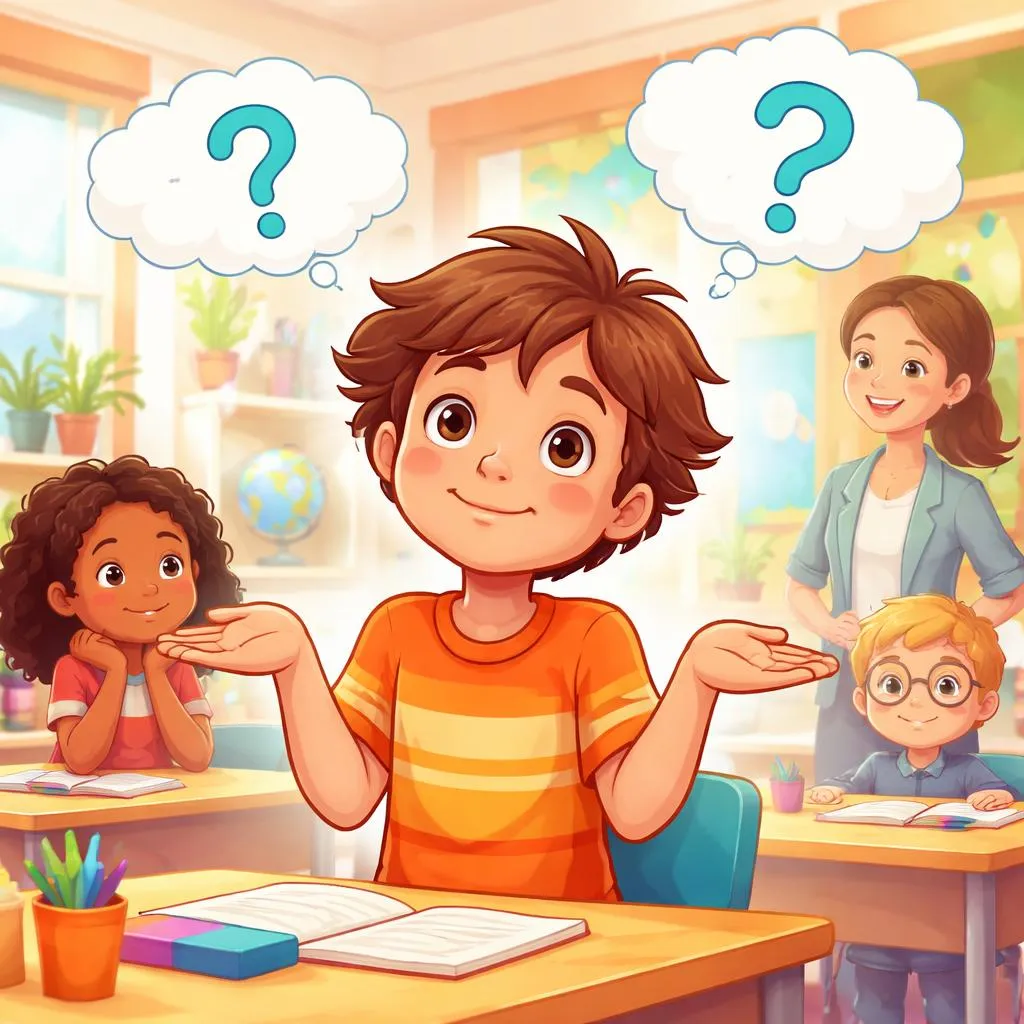
Memory tip 2: Use your hands. One open palm with a shrug = “I don’t know.” Two open palms with a bigger shrug and wide eyes = “I have no idea.”
Memory tip 3: Think about guessing. If you could guess but you are not sure, say “I don’t know.” If you cannot guess at all, say “I have no idea.”
Memory tip 4: Draw a scale from 0 to 10. “I don’t know” is a 3 on the “empty brain” scale. “I have no idea” is a 10. Completely empty.
Memory tip 5: Connect to confidence. Low confidence in an answer = “I don’t know.” Zero confidence in an answer = “I have no idea.”
Practice these tips during family question time. Take turns asking silly questions. Answer honestly.
Quick Practice Time Try these exercises. Parents read aloud. Children answer.
Exercise 1: Choose the best phrase.
Your teacher asks “What is the capital of France?” You never learned it. Do you say: a) I don’t know b) I have no idea
Your friend asks “Where did you put your left shoe?” You forgot. Do you say: a) I don’t know b) I have no idea
Your little sister asks “Why do stars twinkle?” You never thought about it. It feels like a huge mystery. Do you say: a) I don’t know b) I have no idea
Answers: 1(a or b — both work, but “I don’t know” is calmer), 2(a), 3(b)
Exercise 2: Fill in the blank.
“__________ how to solve this math problem. Can you help me?” (calm, everyday)
“__________ what you mean. That makes no sense to me.” (stronger, surprised)
Answers: 1. I don’t know, 2. I have no idea
Bonus: Play the “Question Circle.” Each person asks a question. The next person answers with “I don’t know” or “I have no idea.” Then they ask a new question. See who uses the stronger phrase most. Talk about why.
Wrap-up Use “I don’t know” for calm, everyday moments of uncertainty. Use “I have no idea” for stronger confusion or very hard questions. Both phrases teach honesty. Both open the door to learning new things.