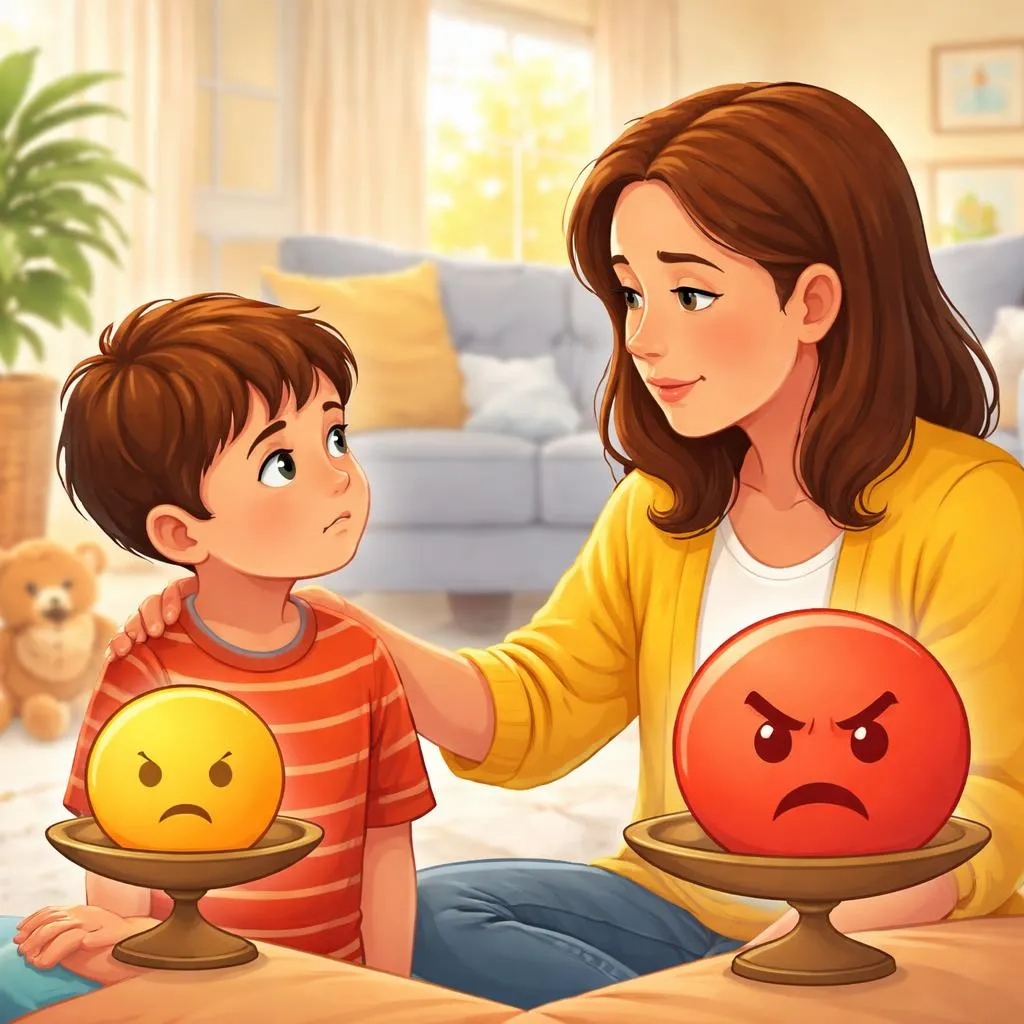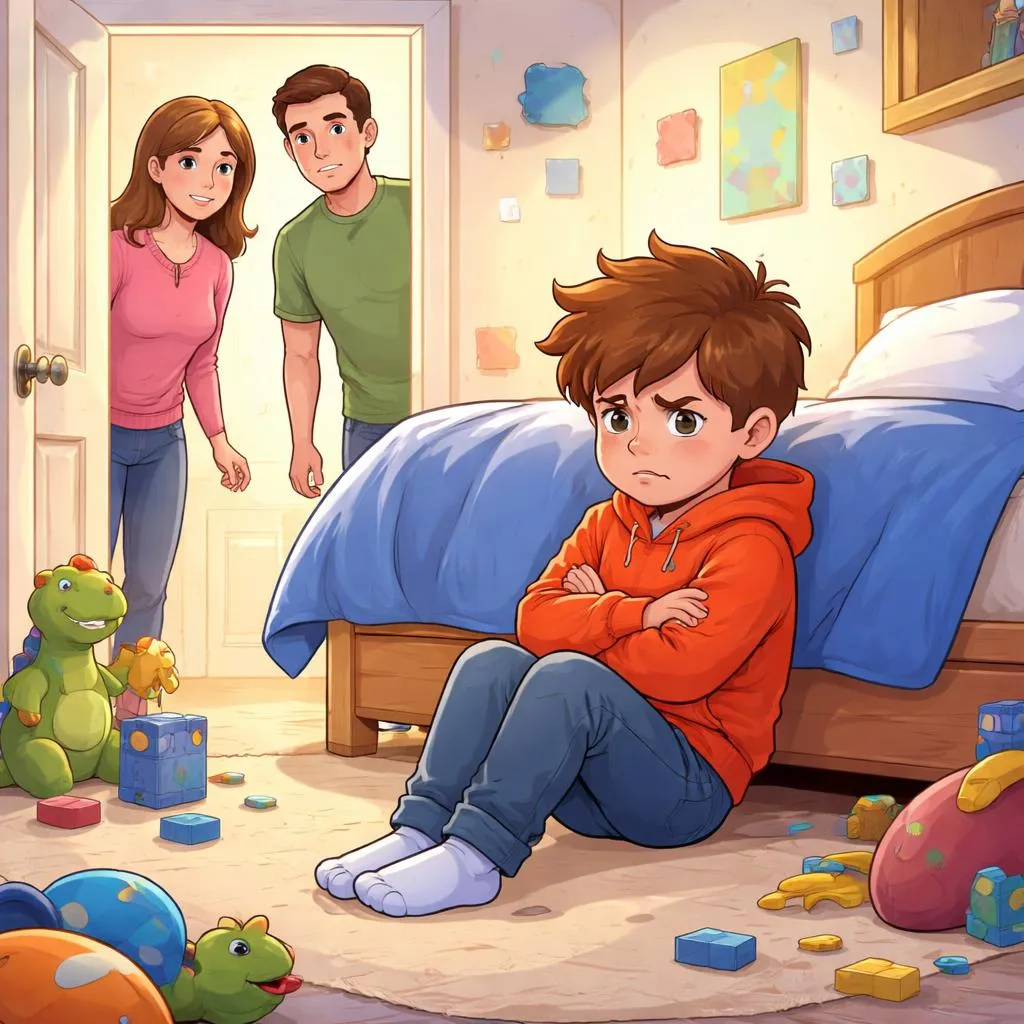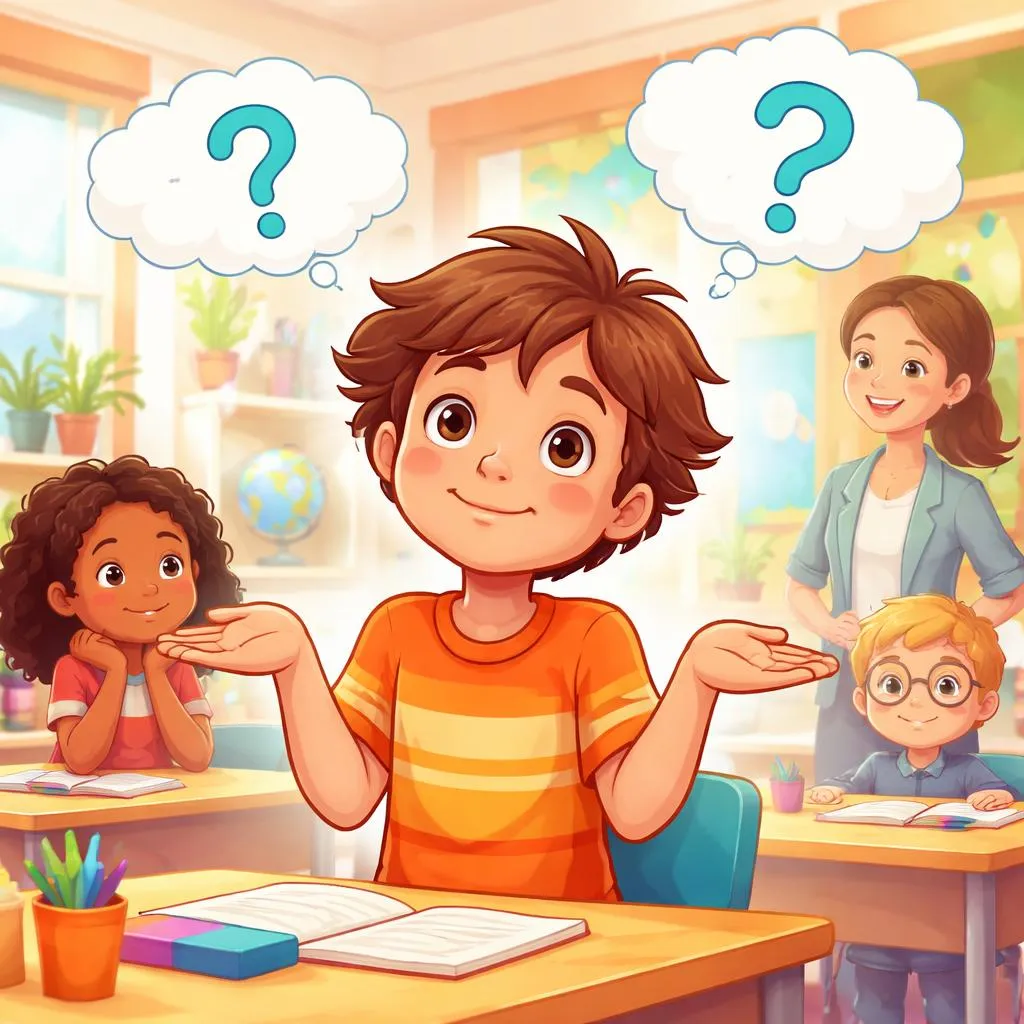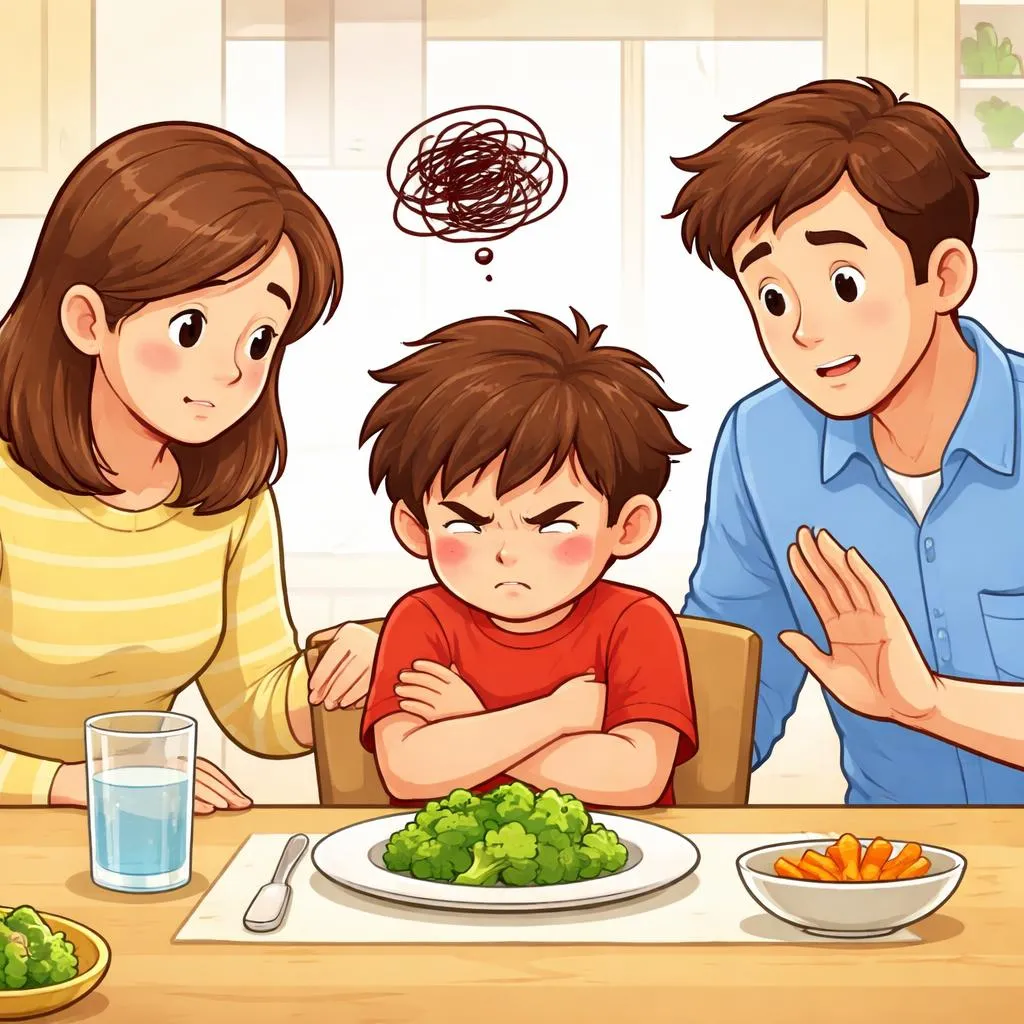

Not every experience brings joy. Children encounter things they dislike. A bad taste. A boring game. A scratchy shirt. Two common phrases express dislike. “I don’t like it” and “I hate it.” Both mean “This makes me feel bad.” But one is much stronger. Parents and kids can learn together. Sharing negative feelings takes care. The right words express your truth without hurting others. Let us explore these two honest expressions.
What Do These Expressions Mean? “I don’t like it” means “This gives me no pleasure.” You prefer something else. The feeling is mild to medium.
For a child, think of a cloudy day. “I don’t like it” says “This is not fun. I would choose something different.”
“I hate it” means “This makes me feel very bad.” The feeling is strong. It may even make you angry or sad.
For a child, think of a thunderstorm with loud crashes. “I hate it” says “This is terrible. I want it to stop right now.” Both phrases express dislike. Both say “No thank you.” They seem similar because people use both when unhappy. Yet one is a complaint. The other is a strong protest.
What’s the Difference? The main difference is strength. “I don’t like it” is mild dislike. You can tolerate the thing for a short time. You just prefer not to.
“I hate it” is strong dislike. You cannot tolerate it. You want it to go away. The feeling fills you up.
Another difference is impact on others. “I don’t like it” sounds honest but polite. People listen. They may help you find a solution.
“I hate it” can hurt feelings. It sounds angry. People may feel attacked or sad.
One more difference is frequency. You can say “I don’t like it” many times a day. For small things. “I hate it” should be rare. Save it for very bad moments.
Also, “hate” is a very strong word in English. Some families do not allow children to say it at all. Others allow it only for extreme situations.
Teach children that dislike is normal. But strong words need strong reasons.
When Do We Use Each One? Use “I don’t like it” for food you try but do not enjoy. A new vegetable. Take a bite. Say “I don’t like it.”
Use “I don’t like it” for activities that bore you. A game that is too slow. Say “I don’t like this game. Can we play something else?”
Use “I don’t like it” for small discomforts. A tag that itches. A seat that is too hard. A song that annoys you a little.
Use “I hate it” only for very strong feelings. A food that makes you feel sick. Not just “yucky” but truly ill. Say “I hate that food. It makes my stomach hurt.”
Use “I hate it” for things that feel wrong. Being treated badly. Someone being mean. A scary situation. “I hate when people shout at me.”
Use “I hate it” very carefully. Never about people. Never about a friend’s gift. Never about someone’s appearance. Save “hate” for things, not people.
Parents can model gentle dislike. Say “I don’t care for this” instead of “I hate it.” Children learn calm words from watching you.
Example Sentences for Kids Here are simple sentences children can say.
I don’t like it:
I don’t like the way this medicine tastes.
I don’t like it when you tickle me.
I don’t like this puzzle. It is too hard.
I don’t like sleeping in a dark room.
I don’t like loud noises.
I hate it:
I hate it when my building falls down.
I hate stepping in a wet puddle with socks on.
I hate this scratchy tag. It hurts my neck.
I hate waiting for a long time.
I hate when my show gets turned off.
Read these aloud. Notice how “I don’t like it” sounds calm and fair. Notice how “I hate it” sounds much stronger. Practice using “I don’t like it” more often.
Common Mistakes to Avoid Children often misuse “hate.” Here are common errors.
Mistake 1: Saying “I hate you” to a friend or family member. This is very hurtful. Words can break relationships. Correct: Say “I feel angry right now” or “I don’t like what you did.” Never say “I hate you” to a person.
Mistake 2: Using “hate” for small everyday dislikes. Example: “I hate green beans” when you just prefer carrots. This sounds dramatic. People stop taking you seriously. Correct: Say “I don’t like green beans very much.”
Mistake 3: Saying “hate” about a gift or someone’s work. A friend draws you a picture. You say “I hate it.” The friend cries. Correct: Say “Thank you for thinking of me.” Find one nice thing to say.
Mistake 4: Using a whining voice for “I don’t like it.” A whiny voice annoys people. They stop listening. Correct: Use a calm, clear voice. Explain why you do not like it.
Mistake 5: Forgetting to offer an alternative. Just saying “I don’t like it” leaves people stuck. They do not know what you want. Correct: Add a solution. “I don’t like this game. Can we play tag instead?”
Easy Memory Tips Here are simple memory tricks.
Memory tip 1: Think of a small rock and a big boulder. “I don’t like it” is a small rock. You can move it aside. “I hate it” is a big boulder. It blocks your path completely.
Memory tip 2: Use your face. A small frown = “I don’t like it.” A big frown with crossed arms = “I hate it.”
Memory tip 3: Think about time. Dislike that lasts a short time = “I don’t like it.” Dislike that lasts a long time = “I hate it.”
Memory tip 4: Draw a volume dial. Volume level 3 = “I don’t like it.” Volume level 10 = “I hate it.”
Memory tip 5: Connect to the word “hate” meaning zero love. Love is the opposite of hate. If you would not say “I love it,” do not say “I hate it.” Use “I don’t like it” instead.
Practice these tips during calm conversations. Talk about dislikes using gentle words.
Quick Practice Time Try these exercises. Parents read aloud. Children answer.
Exercise 1: Choose the best phrase.
Your friend takes your toy without asking. You feel upset but not furious. Do you say: a) I don’t like it b) I hate it
Someone serves you a food that makes you feel like throwing up. Do you say: a) I don’t like it b) I hate it
A game is a little boring. You would rather draw. Do you say: a) I don’t like it b) I hate it
Answers: 1(a), 2(b), 3(a)
Exercise 2: Fill in the blank.
“__________ when my socks are wet. It is just a small annoyance.” (mild)
“__________ when people are mean to my friend. It makes me so mad.” (strong)
Answers: 1. I don’t like it, 2. I hate it
Bonus: Play the “Replace the Hate” game. Every time someone says “I hate,” try to change it to “I don’t like.” See how the sentence feels different. Talk about which version sounds kinder.
Wrap-up Say “I don’t like it” for mild, everyday dislikes. Save “I hate it” for very strong feelings about things, not people. Gentle words protect feelings. They also help people listen to you better. Dislike is okay. Kindness matters more.