
Children need to call others. To show something. To ask for help. To start play. Two common phrases bring people closer. “Come here” and “Come over.” Both ask someone to move. Both close a distance. But they feel different. Parents and kids can learn together. Inviting someone closer is a kind act. The right words make people feel wanted. Let us explore these two friendly invitations.
What Do These Expressions Mean? “Come here” means “Move to where I am standing right now.” The speaker points to their own spot. The message is direct and clear.
For a child, think of a magnet pulling a paperclip. “Come here” pulls the person straight to you. No detours.
“Come over” means “Come to my general area.” It does not need the exact spot. The person can come to your house. Your room. Your side of the playground.
For a child, think of a friendly wave from across a yard. “Come over” says “Join me in my space. You are welcome here.” Both phrases invite movement toward the speaker. Both bring people together. They seem similar because people use both when they want company. Yet one feels more specific. The other feels more open.
What’s the Difference? The main difference is distance. “Come here” works for short distances. Across a room. Down a hallway. From the kitchen to the living room.
“Come over” works for longer distances. From one house to another. From across a park. From school to home.
Another difference is formality. “Come here” sounds more direct. Parents say it to children. Teachers say it to students. It can feel a little like a command.
“Come over” sounds more like an invitation. It feels softer. More polite. More like a choice.
One more difference is location. “Come here” brings someone to your exact spot. “Come over” brings someone to your building or area. Not necessarily your exact chair.
Also, “come over” often means visiting. “Come over to my house.” “Come over after school.” “Come here” does not usually mean a visit. It means a quick movement.
Teach children that both invite connection. One is direct. One is warm and open.
When Do We Use Each One? Use “Come here” for quick needs in the same room. You drop something. Say “Come here and help me pick it up.” You see a spider. Say “Come here and look.”
Use “Come here” when you need to show something small. A drawing. A new toy. A funny face. “Come here. Look at this.”
Use “Come here” with family at home. “Come here for a hug.” “Come here and eat dinner.”
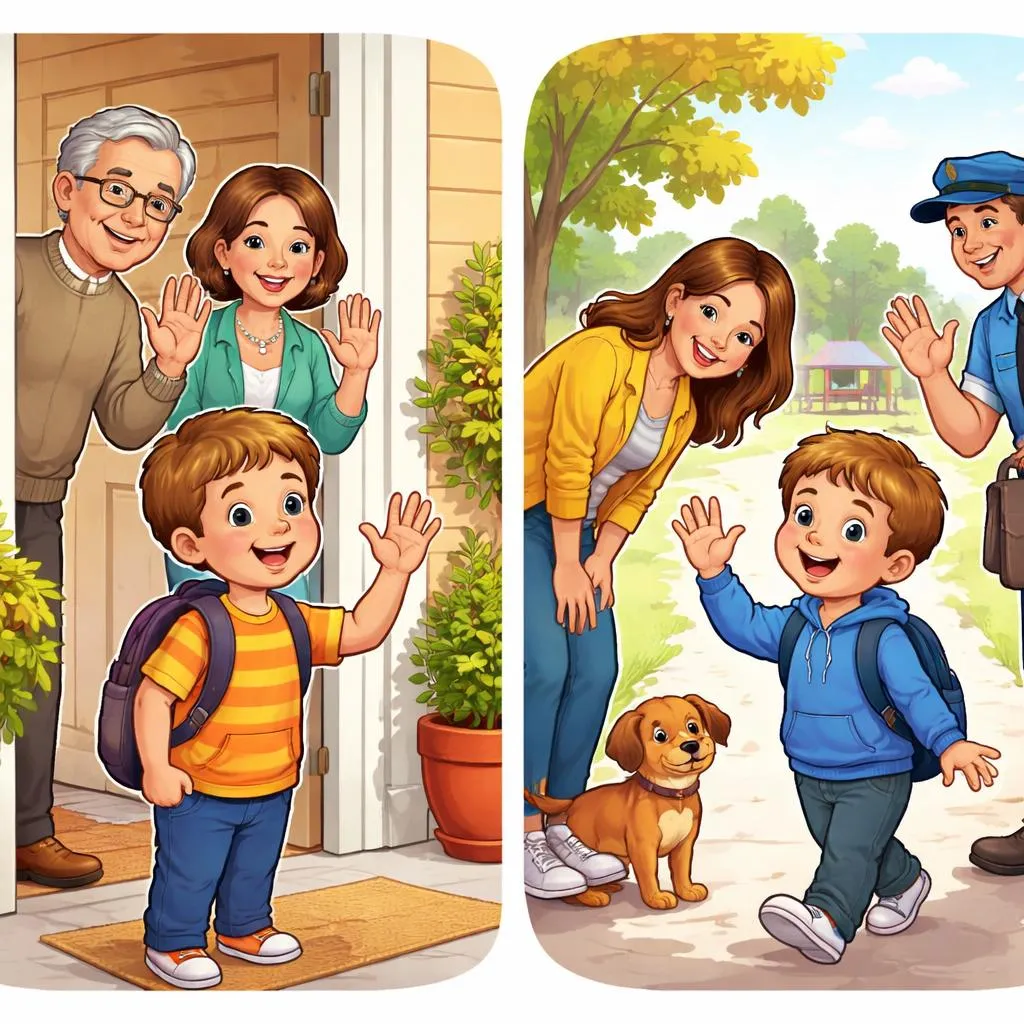
Use “Come over” for visits. A friend lives nearby. Say “Come over to my house on Saturday.” A grandparent calls. Say “Come over for lunch.”
Use “Come over” for playground invitations. A child plays alone. You say “Come over and play with us.” A friend stands far away. You wave and say “Come over here.”
Use “Come over” when you want to be polite. A shy classmate stands alone. Say “Come over and sit with us.” This sounds kind and not bossy.
Parents can model both. Say “come here” for small, close moments. Say “come over” for invitations to your home or space. Children learn the feel of each.
Example Sentences for Kids Here are simple sentences children can say.
Come here:
Come here. I want to show you my drawing.
Come here, please. I need help with my shoe.
Come here. You have to see this bug.
Come here for a high five.
Come here. Dinner is ready.
Come over:
Come over to my house after school.
Come over and play in my yard.
Come over here. The swings are free.
Come over for my birthday party.
Come over and meet my new puppy.
Read these aloud. Notice how “come here” feels close and direct. Notice how “come over” feels open and inviting. Practice both with a smile.
Common Mistakes to Avoid Children often mix these phrases. Here are common errors.
Mistake 1: Using “come here” for a long distance. Example: A child shouts across a park “Come here!” to a friend. The friend cannot hear well. It sounds strange to run that far. Correct: Say “Come over to my side of the park.”
Mistake 2: Using “come over” for a very short distance. Example: A child says “Come over” to a sibling standing two feet away. This sounds odd. “Come over” suggests more distance. Correct: Say “Come here.”
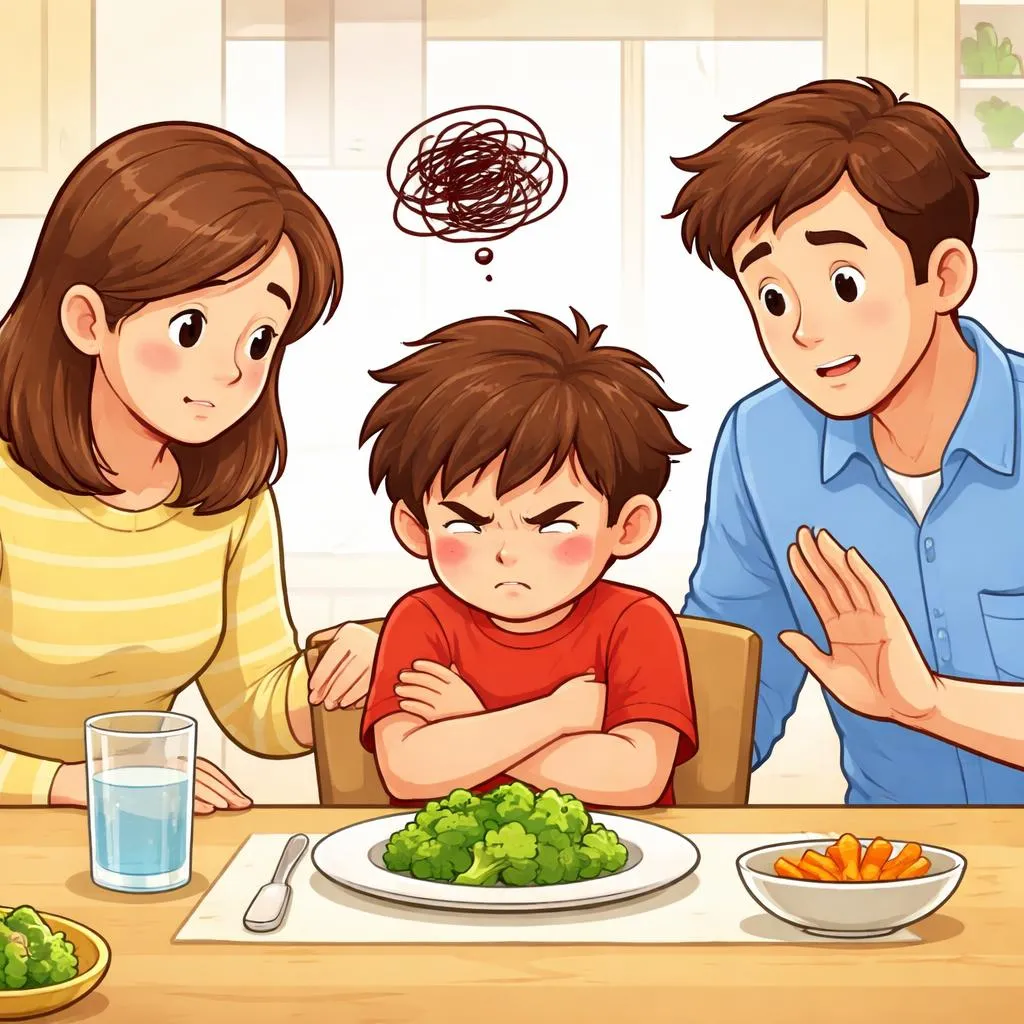
Mistake 3: Using a rude tone with “come here.” A sharp “Come here!” sounds like a command for a dog. People feel disrespected. Correct: Add “please.” Use a warm voice. “Come here, please.”
Mistake 4: Forgetting that “come over” needs a place sometimes. “Come over” alone can sound incomplete. The other person may ask “Where?” Correct: Say “Come over to my house” or “Come over here.”
Mistake 5: Pointing the wrong way. A child says “come here” but points away from themselves. This confuses everyone. Correct: Point to yourself when you say “come here.” Point to your area when you say “come over.”
Easy Memory Tips Here are simple memory tricks.
Memory tip 1: Think of a small circle and a big circle. “Come here” is a small circle around your feet. “Come over” is a big circle around your house.
Memory tip 2: Use your finger. Point down at the floor for “come here.” Point to a chair or room for “come over.”
Memory tip 3: Think about the word “over.” “Over” means crossing space. Moving from one place to another place. “Here” means this exact spot.
Memory tip 4: Draw two maps. One map shows a dot for you. An arrow points straight to the dot. Label it “come here.” One map shows a house. An arrow points to the house. Label it “come over.”
Memory tip 5: Use the “hand” rule. Hold your hand in front of your chest for “come here.” Open your arms wide for “come over” (welcome to my space).
Practice these tips during play. Invite each other using both phrases.
Quick Practice Time Try these exercises. Parents read aloud. Children answer.
Exercise 1: Choose the best phrase.
You are in the kitchen. Your little sister is in the living room. You need her to see a cookie you decorated. Do you say: a) Come here b) Come over
You want your best friend to visit your house this weekend. Do you say: a) Come here b) Come over
Your brother is on the other side of your bedroom. You found a lost toy of his. Do you say: a) Come here b) Come over
Answers: 1(a), 2(b), 3(a)
Exercise 2: Fill in the blank.
“__________. I have a secret to whisper.” (short distance, exact spot)
“__________ to my house after you finish your homework.” (visit, longer distance)
Answers: 1. Come here, 2. Come over
Bonus: Play the “Invitation Game.” One person stands in one spot. The other person stands far away. The first person says “come here” or “come over.” The second person moves the right distance. Then switch. Talk about which invitation felt right for which distance.
Wrap-up Use “come here” for short distances to your exact spot. Use “come over” for longer distances to your home or area. Both invite connection. Both work best with a kind voice and a “please.” A good invitation makes everyone feel welcome.