
What Is This Animal?
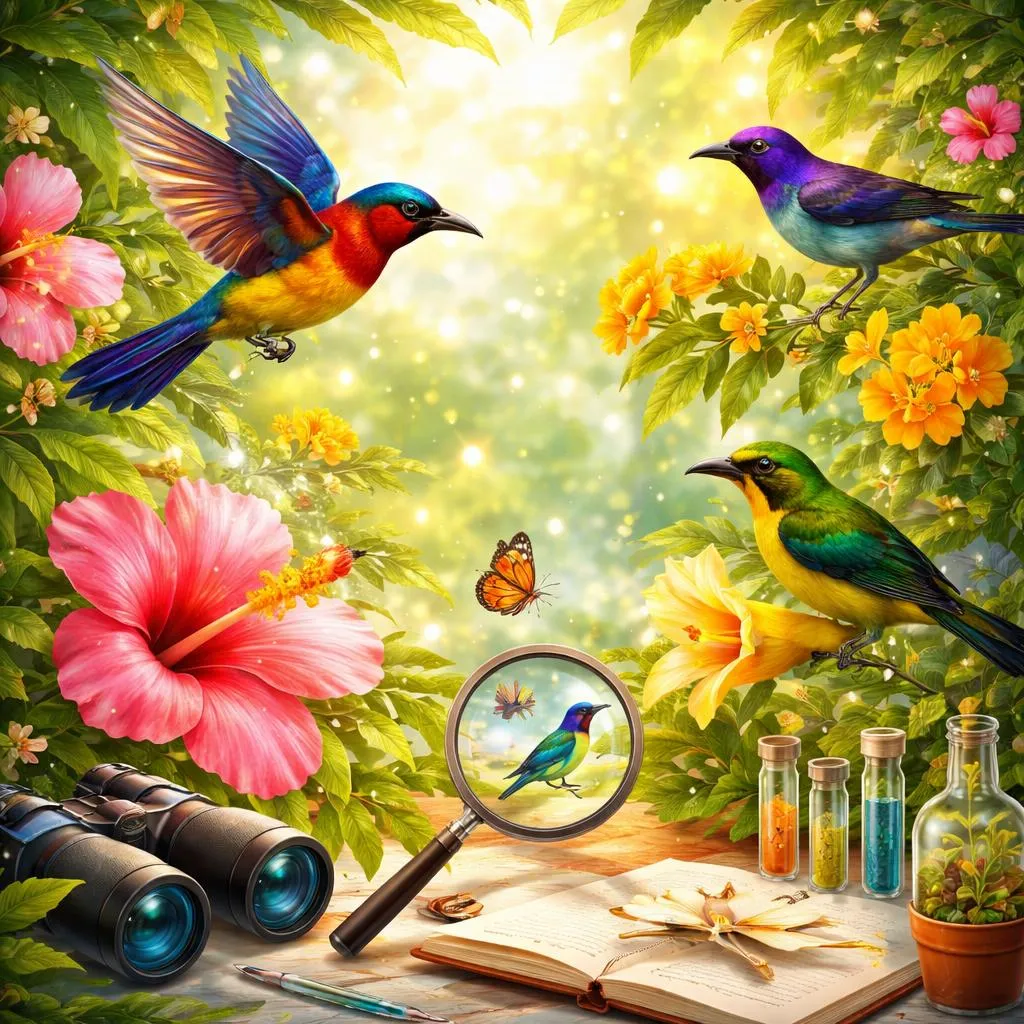
A sunbird is a small, colorful bird with a long, curved beak. Its feathers are often iridescent green, purple, blue, or red. The males are brighter than females. Sunbirds are often called the hummingbirds of the Old World. They hover at flowers to drink nectar.
Sunbirds live in Africa, Asia, and Australia. They are found in forests, gardens, and coastal areas. They are active during the day. They move quickly from flower to flower. They use their long beaks to reach deep into blooms.
These birds are important pollinators. As they drink nectar, they carry pollen from flower to flower. Many plants depend on sunbirds for reproduction. They are a vital part of tropical ecosystems.
For children, sunbirds are like living jewels. Their glittering feathers and hovering flight are mesmerizing. Learning about sunbirds teaches children about tropical wildlife, pollination, and the beauty of birds that visit flowers.
English Learning About This Animal
Let us learn the English word sunbird. We say it like this: /ˈsʌnbɜːrd/. The word has two parts. Sun sounds like “sun.” Bird sounds like “bird.” Put them together: sunbird. Say it three times. Sunbird. Sunbird. Sunbird.
Now let us learn words about a sunbird’s body. The beak is long, curved, and slender. The feathers are iridescent green, purple, blue, or red. The tongue is long and tubular for drinking nectar. The wings are short and pointed for hovering. The chicks are baby sunbirds.
There is a beautiful saying about sunbirds. People say, “The sunbird drinks from the flower and wears the rainbow on its back.” This describes their brilliant colors. Another saying is, “Where the sunbird flies, flowers bloom.” This reflects their role as pollinators.
These English words help children understand sunbird anatomy. When they say beak, they learn about the nectar tool. When they say chicks, they know the babies. Parents can practice these words while looking at pictures. Point to the parts. Say the words together.
Animal Facts and Science Knowledge
Sunbirds belong to the family Nectariniidae. There are over one hundred sunbird species. They are found in Africa, Asia, and Australia. The male sunbirds are brightly colored. The females are usually dull brown. Sunbirds are related to spiderhunters and flowerpeckers.
Sunbirds live in tropical forests, woodlands, and gardens. They need flowers for food. They are found from sea level to mountain forests. Some species live in cities. They visit garden flowers. They are adaptable birds.
Sunbirds are nectarivores. They drink nectar from flowers. They use their long tongues to reach deep inside blooms. They also eat insects and spiders. They feed insects to their chicks. They need protein to raise young.
Sunbirds have special abilities. They can hover like hummingbirds. They beat their wings very fast. They can fly backward. Their feathers reflect light. This creates shimmering colors. The colors change depending on the angle of the light.
Sunbirds are important pollinators. As they drink nectar, pollen sticks to their feathers. They carry pollen to the next flower. Some flowers are shaped specifically for sunbirds. The plants depend on sunbirds for reproduction.
How to Interact With This Animal Safely
Sunbirds are wild birds. They are not pets. The best way to interact is to attract them to your garden. Plant flowers with tubular blooms. Hibiscus, aloe, and bottlebrush are favorites. Sunbirds will visit. Watch them from a window.
Teach children to watch sunbirds quietly. Sunbirds are fast. They move quickly. Sitting still and waiting is the best way to see them. Use binoculars for a closer look.
Do not try to catch or touch a sunbird. They are delicate. They can be injured easily. They are protected in many countries. Enjoy them in nature.
Provide fresh water for sunbirds. A shallow birdbath attracts them. Keep cats indoors. Cats are predators of small birds. Protecting sunbirds helps them thrive.
Sunbirds need flowers. Planting native flowering plants helps them. Avoid pesticides. Pesticides harm insects that sunbirds eat. They can also harm the birds directly.
What Can We Learn From This Animal
Sunbirds teach us about beauty. Their feathers shine like jewels. Children learn that beauty is something to appreciate. Looking at colors, noticing details, and enjoying nature bring joy.
Sunbirds teach us about hard work. They visit hundreds of flowers each day. Children learn that working hard helps us succeed. Doing our best, trying our hardest, and not giving up are good habits.
Sunbirds teach us about pollination. They help flowers grow. Children learn that helping others is important. Small actions can make big things happen.
Sunbirds teach us about adaptation. Their beaks fit perfectly into flowers. Children learn that we all have things we are good at. Using our strengths, finding what fits us, and being ourselves are important.
Fun Learning Activities
Let us make learning about sunbird fun. One activity is the sunbird hover game. Ask your child to pretend to hover like a sunbird. Flutter hands like wings. Use a long straw as a beak. Reach into a pretend flower. Drink nectar. Say “sunbird hovers” and “sunbird drinks nectar.”
Another activity is drawing a sunbird. Look at pictures of sunbirds. Notice the curved beak, iridescent feathers, and hovering flight. Draw a sunbird at a flower. Add bright colors. Label the parts. Say the words aloud.
Create a story about a sunbird’s day. Ask your child what the sunbird does. Does it visit many flowers? Does it feed its chicks? Does it shimmer in the sun? Write a few sentences together. Let your child draw pictures. Read the story aloud.
Make a sunbird craft. Use bright, shiny paper for the feathers. Add a long, curved beak. Add a tubular tongue. Add pointed wings. Move the craft sunbird. Practice saying “sunbird hovers” and “sunbird visits flowers.”
Learn about tropical gardens. Talk about flowers that attract sunbirds. Plan a garden with sunbird-friendly plants. Use words like “nectar,” “pollinator,” and “native plants.”
Learn about pollination. Talk about how sunbirds help flowers. Compare to other pollinators like bees and butterflies. Use words like “pollen,” “reproduction,” and “ecosystem.”
These simple activities bring learning to life. Children build English vocabulary while playing. They learn science through understanding pollination. They develop appreciation through learning about tropical birds. Learning about sunbird becomes a journey into sunlit gardens. Each moment spent together strengthens language, curiosity, and a growing appreciation for the glittering, hovering birds that teach us that beauty, hard work, and helping flowers grow make the world brighter.