
What Is This Plant?
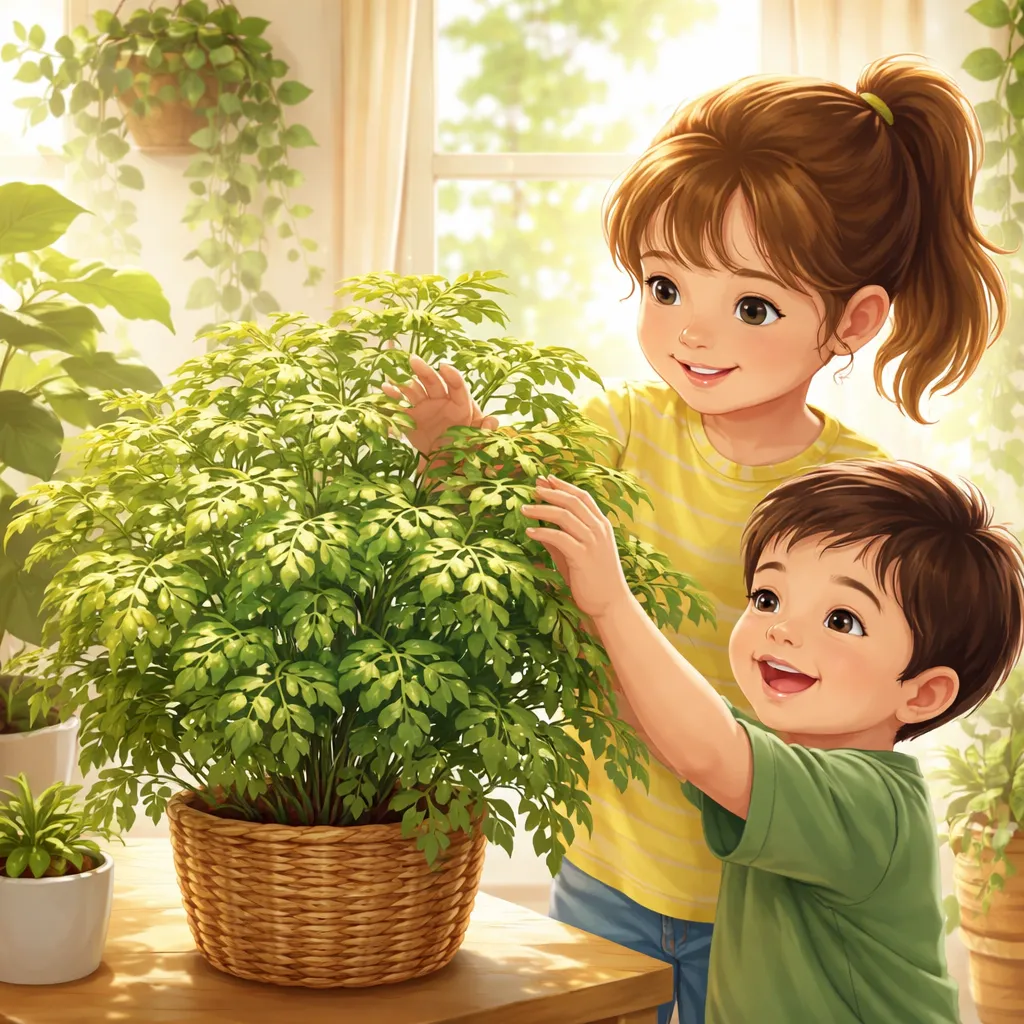
The China doll plant is a beautiful, delicate houseplant with lacy, bright green leaves. It grows as a small, bushy shrub. The leaves are the main attraction. They are small and glossy. They have a lacy, divided shape. Each leaf is made of many tiny leaflets. The leaves grow in whorls around the stem. They look like little green stars. The plant grows quickly. It can reach several feet tall indoors. It has a delicate, airy appearance. The stems are thin and upright. The plant needs regular pruning to stay full. For children, the China doll plant is like a plant with tiny, lacy leaves. The leaves are so delicate that you can see light through them. Parents can grow China doll plants in pots. Children love the lacy leaves and the bright green color. This plant teaches children about delicacy, growth, and the beauty of fine details.
English Learning About This Plant
The English name “China doll plant” comes from its delicate, doll-like appearance. The pronunciation is “chai-na dol plant.” The International Phonetic Alphabet (IPA) is /ˈtʃaɪnə dɑːl plænt/. Children can say it: chai-na dol plant. When we learn about China doll plant plant, we learn words for its parts. The leaf is the small, glossy, lacy part with many leaflets. The leaflet is one tiny part of the divided leaf. The whorl is the circle of leaves growing at one point on the stem. The stem is the thin, upright part that holds the leaves. The node is the bump on the stem where leaves grow. These words help children describe this delicate plant.
There is a famous saying about China doll plants. They are also called “emerald tree” or “greenhouse plant.” Another saying goes, “China doll plant brings delicate beauty to any room.” Parents can share these words with their child. They become gentle lessons about delicacy and the beauty of fine things. China doll plants are native to Taiwan and other parts of Asia.
Plant Facts and Scientific Knowledge
The China doll plant belongs to the species Radermachera sinica. It is a member of the trumpet vine family, Bignoniaceae. It is native to Taiwan and southern China. It is also called the emerald tree. In the wild, it can grow into a large tree. Indoors, it is grown as a small shrub.
China doll leaves are compound leaves. They are divided into many small leaflets. The leaflets are glossy and bright green. The leaves grow in whorls around the stem. A whorl is a circle of leaves at one point on the stem. The leaves are very delicate. They feel thin and papery.
The plant grows quickly. It can reach 4 to 6 feet tall indoors. It needs regular pruning to keep it full. Without pruning, it becomes leggy. The stems are thin and upright.
China doll plants need bright, indirect light. They do not like direct sun. They like consistent moisture. They are sensitive to drying out. They may drop leaves if stressed.
China doll plants have symbolic meaning. They represent delicacy, beauty, and grace. The fine, lacy leaves represent the beauty of detail. They are plants of elegance and charm.
How to Grow and Care for This Plant
Growing a China doll plant requires attention. Choose a spot with bright, indirect light. It needs light to stay full. It does not like direct sun. It needs well-drained soil. Use regular potting soil.
Plant China doll in a pot with drainage holes. Place the plant in the pot. Fill with soil. Water well. Children can help by putting the plant in the pot and adding soil.
Water China doll when the top inch of soil feels dry. It likes consistent moisture. Do not let it dry out completely. Water thoroughly, then let the soil dry slightly. The plant will drop leaves if it gets too dry. In winter, water less.
China doll needs fertilizer. Feed once a month in spring and summer with balanced fertilizer. Do not overfeed. Prune regularly to keep it bushy. Pinch back the growing tips. Children can help by pinching the tips.
The plant is sensitive. It may drop leaves if moved. Be patient. It will adjust. Mist the leaves to increase humidity.
Benefits of Growing This Plant
Growing a China doll plant brings many gifts to a family. First, the lacy leaves are beautiful. They are delicate and bright green. Children love to touch them. Second, the plant grows quickly. Children can see changes every week.
China doll plants clean the air. They remove toxins. Children learn that plants help us breathe better.
The plant teaches about care. It needs consistent water. Children learn to be attentive.
China doll plants also teach about pruning. Children can help pinch the tips. They learn that cutting can make plants grow fuller.
What Can We Learn From This Plant
A China doll plant teaches children about delicacy. The leaves are thin and lacy. They need gentle care. Children learn that delicate things are beautiful. They can be gentle.
China doll plants also teach about growth. The plant grows quickly. Children learn that growth can be fast. They can enjoy seeing changes.
Another lesson is about pruning. Pinching the tips makes the plant fuller. Children learn that sometimes letting go helps growth. They can let go of things to grow.
China doll plants also teach about patience. The plant may drop leaves if moved. Children learn that adjustment takes time. They can be patient with changes.
Fun Learning Activities
There are many simple activities to help children learn about China doll plant plant. One activity is a leaf study. Look at a China doll leaf. See how it is divided into tiny leaflets. Count how many leaflets are on one leaf. This builds observation.
Another activity is a leaf tracing. Place a piece of paper over a leaf. Trace the lacy shape. Color it. This builds art skills and appreciation for detail.
A nature journal works well for China doll plants. Draw the lacy, divided leaves. Draw the whorl of leaves. Draw the thin stem. Label the parts: leaf, leaflet, whorl, stem. Write the date when you got the plant.
For art, try painting China doll plants. Use bright green paint. Paint the lacy, divided leaves. Paint the tiny leaflets. Paint the whorls of leaves around the stem. This creates a delicate picture.
Vocabulary games are fun too. Write the words China doll plant, leaf, leaflet, whorl, stem, and delicate on cards. Say each word. Ask your child to point to the part on the plant. Practice saying China doll plant together. Clap the syllables: chai-na dol plant.
Finally, try a pruning activity. Pinch back the tips of the China doll plant. Watch how it becomes fuller. Talk about how pruning helps growth. This connects the plant to care and growth.
Through these activities, children build a deep connection with a delicate plant that grows quickly and needs gentle care. They learn new words, trace leaves, and discover the joy of pruning. The China doll plant becomes a symbol of delicacy and growth. Each time they see the lacy leaves, children remember that delicate things are beautiful. They remember that pruning helps growth. This elegant plant opens a world of fine details, gentle care, and the lasting lesson that the most delicate plants often teach us the most about gentleness.