
What Is This Plant?
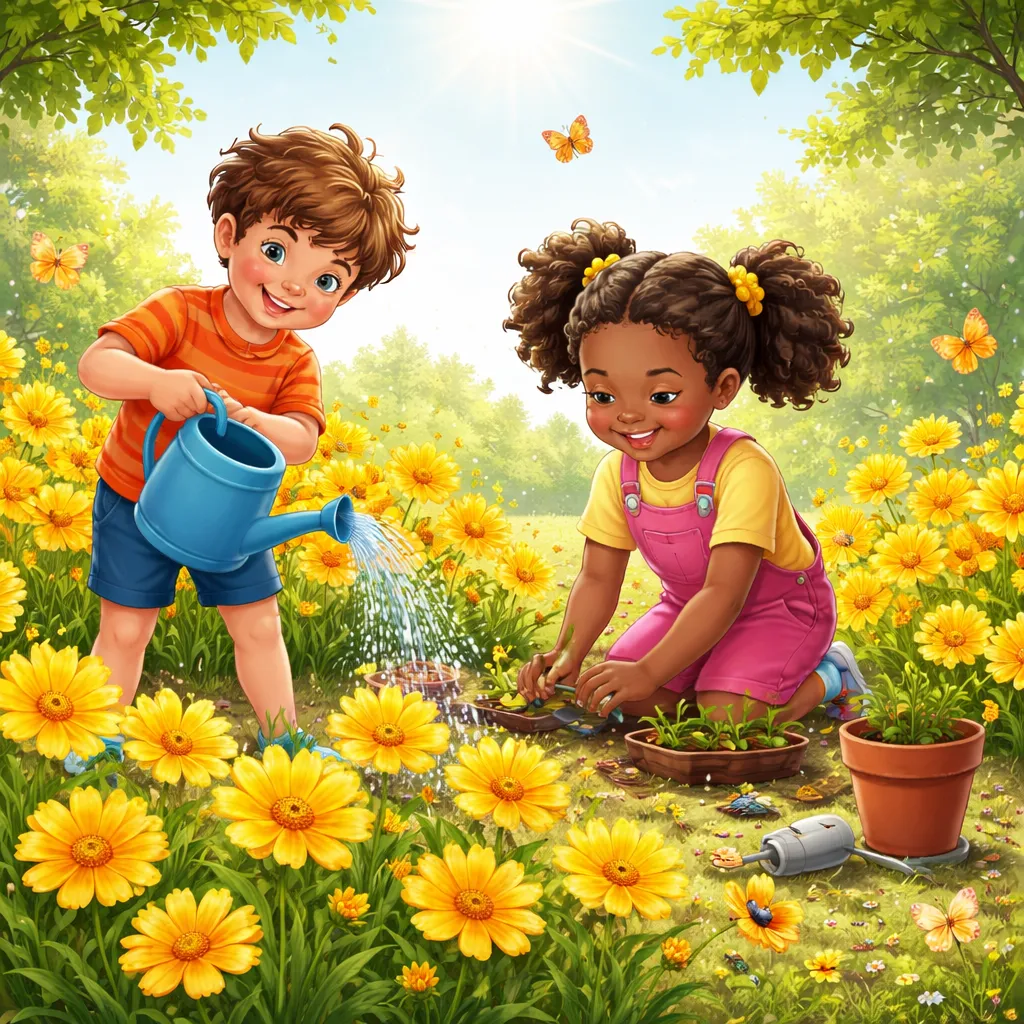
The coreopsis plant is a cheerful, sun-loving flower that covers itself with golden yellow blooms all summer. It grows as a bushy plant with branching stems. The leaves are narrow and divided. They are bright green and delicate. The flowers are the treasure. They are daisy-like with eight petals. The petals are bright yellow. They have a toothed edge. The center is dark yellow or brown. Coreopsis also comes in pink, red, and orange. But the yellow is most common. The flowers bloom from early summer until frost. They keep blooming even in heat and drought. For children, coreopsis is like a little sun in the garden. The bright yellow petals glow in the sunlight. Parents can plant coreopsis seeds or plants in spring. Children love the cheerful yellow color. This plant teaches children about endurance and bringing sunshine to the world.
English Learning About This Plant
The English name “coreopsis” comes from Greek words. “Koris” means bug. “Opsis” means like. The seeds look like bugs. The pronunciation is “kor-ee-op-sis.” The International Phonetic Alphabet (IPA) is /ˌkɔːriˈɒpsɪs/. The word has four syllables. Children can say it: kor-ee-op-sis. When we learn about coreopsis plant, we learn words for its parts. The leaf is the narrow, divided, bright green part. The stem is the branching part that holds the leaves and flowers. The flower is the daisy-like, golden blossom. The petal is the yellow, toothed part. The seed is the small, bug-like part that grows after the flower fades. These words help children describe this sunny flower.
There is a saying about coreopsis. It is also called “tickseed” because the seeds look like ticks. Another saying goes, “Coreopsis is the sunshine of the prairie.” Parents can share these words with their child. They become gentle lessons about endurance and bringing light. Coreopsis is the state wildflower of Florida.
Plant Facts and Scientific Knowledge
The coreopsis plant belongs to the genus Coreopsis. There are about 75 species. Coreopsis are native to North America. They are members of the daisy family, Asteraceae. They are often called tickseed. Coreopsis are wildflowers of prairies and roadsides.
Coreopsis flowers have eight petals. They are daisy-like. The petals are bright yellow with toothed edges. The center is dark yellow or brown. Some varieties have pink, red, or orange flowers. The flowers bloom from early summer until frost. They are very heat and drought tolerant.
The leaves are narrow and divided. They are bright green. Some coreopsis have thread-like leaves. Others have broader leaves. The plant can grow one to three feet tall. Some varieties are shorter.
Coreopsis seeds are small and flat. They look like ticks. This is why the plant is called tickseed. The seeds germinate easily. The plants are long-blooming and low-maintenance.
Coreopsis have symbolic meaning. They represent cheerfulness, happiness, and endurance. They are flowers of the sun. They remind us to keep smiling even in hard times.
How to Grow and Care for This Plant
Growing a coreopsis plant is easy for families. Plant seeds or small plants in spring. Choose a sunny spot. Coreopsis needs full sun. It needs well-drained soil. It grows well in poor soil. It is heat and drought tolerant.
Scatter seeds on the soil surface. Cover lightly with soil. Coreopsis seeds need light to germinate. Press them gently into the soil. Water gently. Children can help by scattering the seeds. The seeds are small. Mix them with sand to see them better.
Water coreopsis regularly until established. Once established, it is very drought-tolerant. Do not overwater. It needs little fertilizer. Too much fertilizer makes it floppy.
Coreopsis blooms best when not overfed. Deadhead to encourage more flowers. Children can pinch off the faded flowers. In fall, cut the plant back. It will come back next year. Coreopsis is a perennial in most areas.
Benefits of Growing This Plant
Growing a coreopsis plant brings many gifts to a family. First, the bright yellow flowers are cheerful. They bring sunshine to the garden. Second, coreopsis is very easy to grow. Children can plant seeds and watch them grow.
Coreopsis attracts pollinators. Bees and butterflies love the flowers. Children can watch them all summer. The flowers provide nectar for many insects.
The plant provides cut flowers. Children can cut stems for bouquets. They last about a week in a vase.
Coreopsis also teaches about endurance. The plant blooms all summer in heat and drought. Children learn to keep going even when things are hard.
What Can We Learn From This Plant
A coreopsis plant teaches children about endurance. The plant blooms all summer. It does not stop. Children learn that they can endure. They can keep going even when conditions are hard.
Coreopsis also teaches about cheerfulness. The bright yellow flowers bring joy. Children learn that they can be cheerful. A smile can brighten someone’s day.
Another lesson is about being native. Coreopsis is a North American wildflower. Children learn that native plants are important. They support local wildlife.
Coreopsis also teaches about simplicity. The flower is simple but beautiful. Children learn that simple things can be wonderful.
Fun Learning Activities
There are many simple activities to help children learn about coreopsis plant. One activity is a sunshine study. Look at the coreopsis flowers. See how the yellow petals look like sunshine. Count how many petals are on one flower. This builds observation.
Another activity is a butterfly watch. Plant coreopsis in a sunny spot. Sit nearby. Watch for butterflies. Count how many visit. This builds patience and observation.
A nature journal works well for coreopsis. Draw the narrow, divided leaves. Draw the daisy-like flowers with eight petals. Draw the toothed edges. Label the parts: leaf, stem, flower, petal. Write the date when the first flower opened.
For art, try painting coreopsis. Use bright yellow paint. Paint the daisy-like flowers with eight petals. Add the toothed edges. Paint the narrow leaves. This creates a cheerful picture.
Vocabulary games are fun too. Write the words coreopsis, leaf, stem, flower, petal, and sunshine on cards. Say each word. Ask your child to point to the part on the plant. Practice saying coreopsis together. Clap the syllables: kor-ee-op-sis.
Finally, try an endurance activity. Talk about how coreopsis blooms all summer. Ask your child about something they worked hard at. Celebrate their endurance. This connects the plant to personal growth.
Through these activities, children build a deep connection with a plant that brings sunshine and endurance to the garden. They learn new words, watch butterflies, and discover the joy of lasting blooms. The coreopsis plant becomes a symbol of cheerfulness and endurance. Each summer when the yellow flowers bloom, children remember that they can keep going. They remember that they can bring sunshine to others. This cheerful wildflower opens a world of easy gardening, butterfly watching, and the lasting lesson that endurance and cheerfulness go hand in hand.