
What Is This Plant?
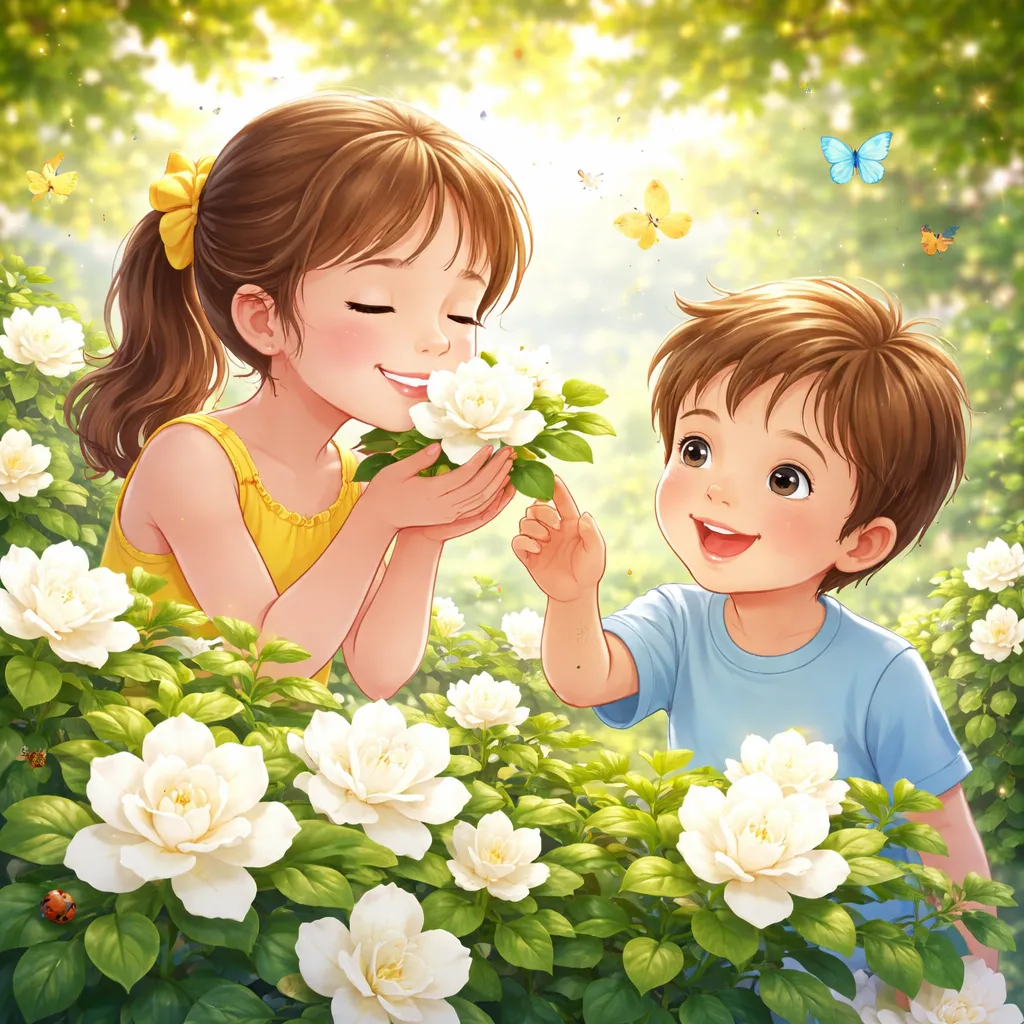
The gardenia plant is an evergreen shrub known for its intoxicating sweet scent and creamy white flowers. It grows as a rounded shrub with glossy, dark green leaves. The leaves are thick and oval-shaped. They stay green all year. The flowers are the treasure. They are white and waxy. They look like soft, white roses. Each flower has many petals arranged in a spiral. The scent is strong and sweet. It fills the air around the plant. One gardenia can scent a whole garden. The flowers bloom in late spring and summer. For children, gardenias are like perfume from nature. The white flowers stand out against the dark leaves. The scent is unforgettable. Parents can plant gardenias near a window or path. Children can smell the flowers whenever they pass. This plant teaches children about the power of fragrance.
English Learning About This Plant
The English name “gardenia” honors the naturalist Alexander Garden. He studied plants in America. The pronunciation is “gar-dee-nee-a.” The International Phonetic Alphabet (IPA) is /ɡɑːrˈdiːniə/. The word has four syllables. Children can say it: gar-dee-nee-a. When we learn about gardenia plant, we learn words for its parts. The leaf is the glossy, dark green, oval part. The stem is the woody part that holds the leaves and flowers. The bud is the tight, green part that will become a white flower. The flower is the creamy white, fragrant blossom. The petal is the soft, waxy part of the flower. These words help children describe this fragrant shrub.
There is a famous saying about gardenias. It goes, “A gardenia speaks the language of love.” The sweet scent carries a message. Another saying says, “Gardenias are the scent of summer nights.” Parents can share these words with their child. They become gentle lessons about how fragrance can carry meaning and memory. Gardenias are often used in perfumes and wedding flowers.
Plant Facts and Scientific Knowledge
The gardenia plant belongs to the genus Gardenia. There are about 200 species. Gardenias are native to tropical and subtropical regions of Africa, Asia, and the Pacific Islands. They are members of the coffee family, Rubiaceae. The most common gardenia is Gardenia jasminoides.
Gardenia flowers have a unique structure. They have many petals arranged in a spiral. The flowers can be single or double. Double flowers have more petals. They look like small roses. The flowers are white when open. They may turn creamy yellow as they age.
The scent of gardenias is very strong. It is sweet and heady. The fragrance is strongest in the evening. This attracts night-flying moths that pollinate the flowers. The scent comes from compounds in the petals.
Gardenia leaves are glossy and dark green. They are thick and leathery. The leaves can be up to four inches long. The plant is evergreen. It keeps its leaves all year.
Gardenias have symbolic meaning. They represent purity, sweetness, and secret love. In the language of flowers, a gardenia means “you are lovely.” They are often given as gifts to express admiration. Gardenias are also used in wedding bouquets.
How to Grow and Care for This Plant
Growing a gardenia plant requires some care. Choose a spot with morning sun and afternoon shade. Gardenias need bright light but not hot afternoon sun. They need well-drained, acidic soil.
Plant gardenias in spring. Dig a hole twice as wide as the root ball. Place the plant in the hole. Fill with soil mixed with peat moss. Water well. Children can help by holding the plant straight while you fill the hole.
Water gardenias regularly. They need consistent moisture. Do not let the soil dry out. But do not overwater. Good drainage is important. Mulch around the base with pine needles or bark. This keeps the soil moist and acidic.
Fertilize gardenias in spring and summer. Use fertilizer made for acid-loving plants. Feed every few weeks during the growing season. Gardenias need iron. Yellow leaves may mean the soil is not acidic enough.
Prune gardenias after flowering. Remove dead or crossing branches. Light shaping keeps the plant tidy. In cold climates, grow gardenias in pots. Bring them indoors for winter.
Benefits of Growing This Plant
Growing a gardenia plant brings many gifts to a family. First, the scent is unforgettable. One flower can fill a room. Children learn to appreciate fragrance. Second, the white flowers are beautiful against the dark leaves.
Gardenias attract pollinators. Moths visit the flowers in the evening. Children can watch for them at dusk. This teaches about night pollinators.
The flowers are excellent for cutting. Children can pick a single flower and put it in a small vase. It will scent a room for days. This brings the garden inside.
Gardenias also teach about care. They need specific conditions. Children learn that some plants need extra attention. They learn to be patient and attentive.
What Can We Learn From This Plant
A gardenia plant teaches children about the power of fragrance. The flowers are white and simple. But their scent is powerful. Children learn that they do not need to be loud to be noticed. Their presence can be felt even when they are quiet.
Gardenias also teach about care. They need the right soil, water, and light. Children learn that some things need special care. They learn to be gentle and attentive.
Another lesson is about sweetness. The scent is sweet and pleasant. Children learn that sweetness attracts. Kindness, like fragrance, draws people in.
Gardenias also teach about patience. The buds take time to open. When they open, the scent is worth the wait. Children learn that waiting leads to something wonderful.
Fun Learning Activities
There are many simple activities to help children learn about gardenia plant. One activity is a scent test. When the gardenia blooms, close your eyes. Smell the flower. Describe the scent. Is it sweet? Is it strong? How far away can you smell it? This builds sensory language.
Another activity is a bud watch. In spring, check the gardenia for buds. They start as small, green dots. They grow larger. They turn white. Count the days from first bud to first flower. This builds patience and observation.
A nature journal works well for gardenias. Draw the glossy, dark green leaves. Draw the creamy white flowers. Draw the buds. Label the parts: leaf, stem, bud, flower, petal. Write the date when the first flower opened.
For art, try painting gardenias. Use white paint for the flowers. Add shading with pale gray or yellow. Paint the glossy, dark green leaves. This creates a beautiful, fragrant-looking picture.
Vocabulary games are fun too. Write the words gardenia, leaf, stem, bud, flower, and scent on cards. Say each word. Ask your child to point to the part on the plant. Practice saying gardenia together. Clap the syllables: gar-dee-nee-a.
Finally, try a fragrance activity. Place a gardenia flower in a small bowl of water. Let it sit in a room. Notice how the scent fills the space. Talk about how fragrance can change how a room feels. This teaches about the power of scent.
Through these activities, children build a deep connection with a plant that gives the gift of fragrance. They learn new words, practice patience, and discover the joy of sweet scents. The gardenia plant becomes a symbol of gentle power and quiet beauty. Each time they smell gardenia, they remember that they do not need to be loud to be noticed. They remember that sweetness attracts. This fragrant shrub opens a world of sensory exploration, patient waiting, and the lasting joy of discovering that one small flower can fill the whole garden with its gift.