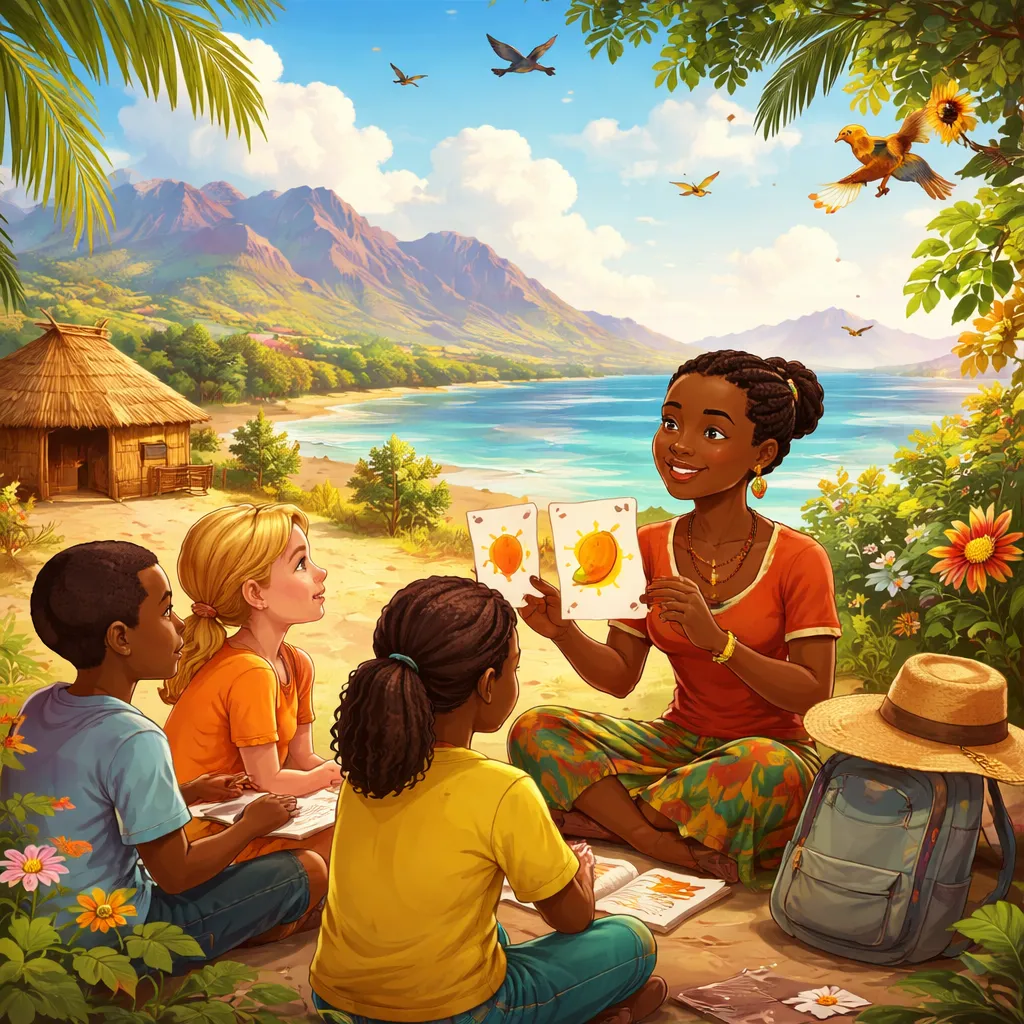

Introduction to Malawi
Language learning invites us to discover places with gentle beauty. Today we travel to a country known as the Warm Heart of Africa. This nation holds a sparkling lake that stretches like an inland sea. Children will learn about friendly people and unique fish. They will discover mountains, forests, and shores filled with life. Exploring Malawi builds reading skills while warming the heart. Every fact shows kindness and wonder. Every word brings them closer to this special land. Let us begin our journey.
Where Is Malawi?
Malawi lies in southeastern Africa. It sits between Zambia, Tanzania, and Mozambique. The country stretches north to south along the Great Rift Valley. Lake Malawi dominates the eastern border. This great lake covers nearly one fifth of the country. The capital city is Lilongwe. Lilongwe sits in the central region. The city blends modern buildings with traditional markets. The second largest city is Blantyre in the south. Mountains rise in the north and south. The Shire River flows from Lake Malawi into the Zambezi River. Finding Malawi on a map shows its long, narrow shape. The lake creates a natural border with Tanzania and Mozambique. Understanding geography helps young readers picture this beautiful land.
Interesting Facts About Malawi
Malawi offers many wonderful facts for young learners. Lake Malawi holds more species of fish than any other lake on Earth. Over one thousand species of cichlids live only here. These fish display brilliant colors. They swim in clear waters near the shore. Another interesting fact involves the country's nickname. People call Malawi the Warm Heart of Africa. This name reflects the friendliness of the people. Visitors often remark how welcoming Malawians are.
Malawi also has a unique way of protecting its wildlife. The country created many national parks and reserves. Elephants, hippos, and crocodiles live in these protected areas. Another fun fact involves tea. Malawi grows tea on the highlands in the south. Tea plantations cover green hillsides. The country also holds the first freshwater national park in the world. Lake Malawi National Park protects the lake's unique fish and shores. Another interesting fact involves the name. Malawi comes from the Maravi people. They settled in the region hundreds of years ago. These facts show children a country of natural riches and warm hospitality.
Key Vocabulary About Malawi
Let us build vocabulary for this beautiful country. These words help children describe what they learn.
Cichlid: a type of colorful fish found in Lake Malawi.
Rift Valley: a large crack in the earth's surface formed by shifting plates.
Reserve: an area of land set aside to protect animals and plants.
Plateau: a flat, high area of land.
Tea: a drink made from the leaves of a plant grown in warm climates.
Hippo: a large animal that lives in rivers and lakes.
Warm: friendly and kind, as well as having heat. Introduce these words with pictures and stories. Show the colorful cichlid fish swimming. Show a hippo resting in water. Let children say each word aloud. These vocabulary words give children the language to explore this warm and welcoming land.
Simple Sentences for Reading Practice
Short sentences help new readers build confidence. Use these sentences about Malawi for practice.
Malawi is a country in southeastern Africa.
The capital city is Lilongwe.
Lake Malawi covers much of the eastern side.
Colorful fish swim in the lake.
Hippos live in the water and on land.
People grow tea on green hills.
Malawi is called the Warm Heart of Africa. Read each sentence together. Let children point to the words. Encourage them to repeat after you. Use pictures to show each fact. These simple sentences prepare young readers for longer passages.
Short Reading Passage About Malawi
Here is a short passage for children to read together.
“Malawi sits in southeastern Africa. A great lake forms its eastern border. Lake Malawi stretches for over three hundred miles. The water holds more kinds of fish than any other lake. Bright cichlids dart among the rocks. People come from around the world to see them. The lake also shelters hippos. These large animals spend their days in the water. They come onto land at night to eat grass. In the south, green hills rise up. Farmers grow tea on these slopes. The leaves are picked and dried to make a popular drink. Malawi has many national parks. Elephants walk through the woodlands. Crocodiles rest on riverbanks. The people of Malawi welcome visitors with kindness. They give their country the name Warm Heart of Africa. The capital, Lilongwe, holds busy markets and quiet gardens. From the lake to the mountains, Malawi offers beauty everywhere.”
Read this passage slowly together. Pause to talk about each idea. Ask children to find vocabulary words in the text. This activity builds reading fluency and deepens understanding.
Fun Questions About Malawi
Questions make reading interactive and engaging. Use these to start conversations with young learners.
What lake forms the eastern border of Malawi?
What is the capital city of Malawi?
How many kinds of fish live in Lake Malawi?
What do people call Malawi because of its friendly people?
What crop grows on the green hills in the south?
What large animal lives in the lake and comes out at night to eat? Let children answer in complete sentences. Encourage them to use new vocabulary. Ask them to imagine swimming in Lake Malawi. What colors would they see on the fish? Creative questions make the topic personal and exciting.
Tips for Learning English with This Topic
Use Malawi to create warm and engaging English learning experiences. Start with a map activity. Let children find Malawi and trace the shape of Lake Malawi. Talk about how the lake covers so much of the country. Discuss why so many fish species developed there. This connects geography to biology in a meaningful way.
Next, introduce the vocabulary through a water-themed activity. Set up a small tub or bowl with blue water. Place toy fish or pictures of cichlids nearby. Let children name the fish and practice the word "cichlid." Add a toy hippo if available. This hands-on activity makes vocabulary memorable.
Read the passage aloud with warmth in your voice. Let your tone reflect the nickname Warm Heart of Africa. After reading, let children draw a scene from Malawi. One child might draw colorful fish swimming. Another might draw a hippo by the lake. Let them label their drawings with vocabulary words. Add cotton balls for clouds or green paper for hills.
Incorporate a kindness activity. Talk about why Malawi is called the Warm Heart of Africa. Ask children how they show warmth to others. This connects language learning to social-emotional development. Children learn that words like "warm" have meanings beyond temperature.
Use music to enhance the experience. Listen to gentle African music while reading or drawing. Let children move like fish swimming or elephants walking. Movement and music reinforce learning in joyful ways.
Encourage children to share their knowledge. Let them tell a family member about the colorful fish of Lake Malawi. They can explain why so many species live there. Teaching others builds confidence and deepens understanding.
Connect Malawi to your child's world. Ask, “What bodies of water are near our home?” Talk about fish you might see locally. Compare them to the cichlids of Malawi. Ask about ways people show kindness in your community. Compare that to the Warm Heart of Africa. These connections help children see that language learning reading is about understanding people and places everywhere. By exploring Malawi together, you give children a rich experience. They learn new words, discover a land of lake and warmth, and grow their love for reading. This beautiful country becomes a cherished part of their learning journey.