
What Is This Plant?
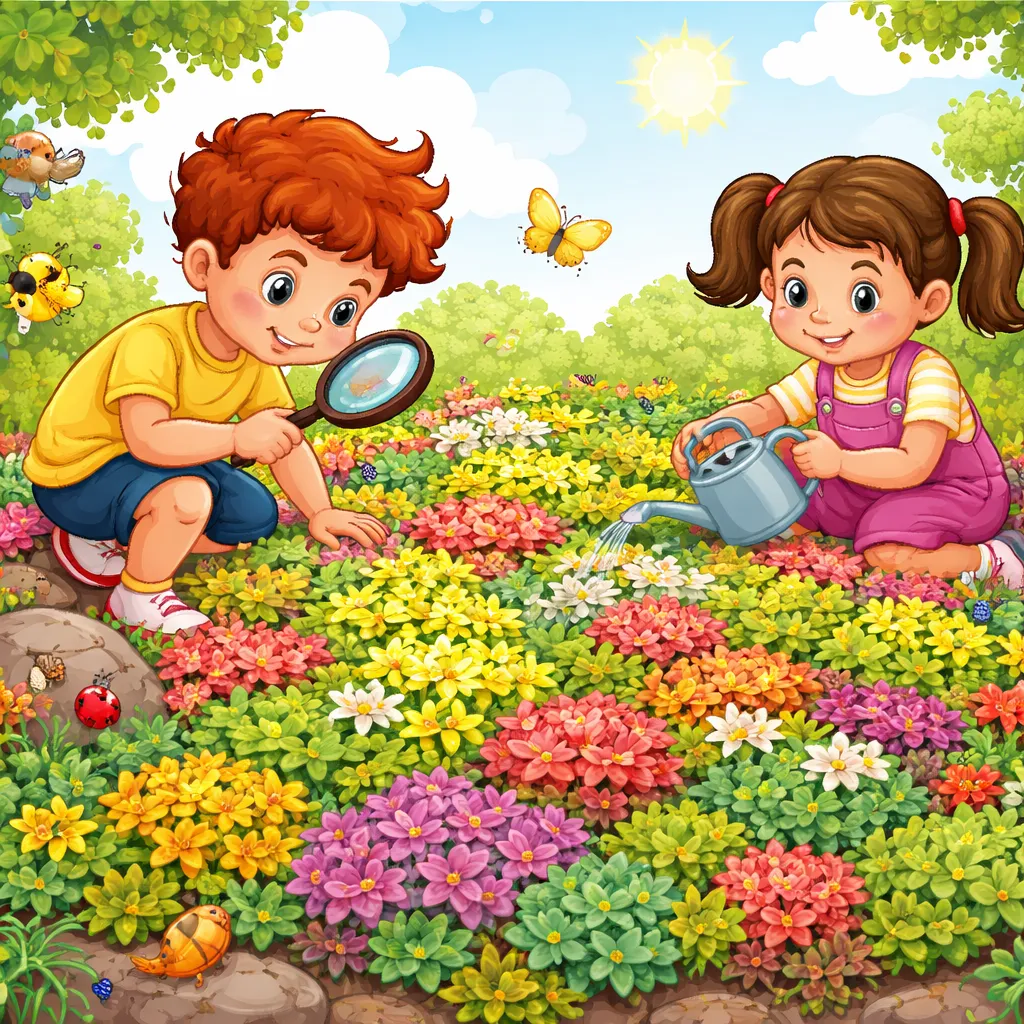
The sedum plant is a tough, easy-to-grow succulent that makes an excellent ground cover or container plant. It comes in many forms. Some sedums are low and creeping. They spread across the ground like a carpet. Others grow tall with upright stems. The leaves are thick and fleshy. They store water. The leaves come in many colors. You can find green, blue-gray, purple, red, and variegated sedums. Some leaves are tiny and round like beads. Others are flat and oval. In summer and fall, sedums produce clusters of tiny star-shaped flowers. The flowers are pink, red, yellow, or white. They attract butterflies and bees. For children, sedums are like plants that can live anywhere. They grow in cracks and on rocks. They survive heat and cold. Parents can plant sedums in gardens, pots, or even on roofs. Children love the tiny flowers and the colorful leaves. This plant teaches children about toughness, spreading joy, and the beauty of ground covers.
English Learning About This Plant
The English name “sedum” comes from the Latin word “sedere.” It means to sit. Sedums sit on rocks and walls. The pronunciation is “see-dum.” The International Phonetic Alphabet (IPA) is /ˈsiːdəm/. The word has two syllables. Children can say it: see-dum. When we learn about sedum plant, we learn words for its parts. The leaf is the thick, fleshy, water-storing part. The stem is the creeping or upright part that holds the leaves. The flower cluster is the group of tiny star-shaped flowers. The flower is the small, star-shaped blossom. The ground cover is the way low sedums spread across the soil. These words help children describe this versatile plant.
There is a famous saying about sedums. They are called “stonecrops” because they grow on rocks. Another saying goes, “Sedums are the survivors of the plant world.” They thrive where other plants cannot. Parents can share these words with their child. They become gentle lessons about toughness and spreading joy. Sedums are native to many parts of the world.
Plant Facts and Scientific Knowledge
The sedum plant belongs to the genus Sedum. There are about 400 species. Sedums are members of the stonecrop family, Crassulaceae. They are native to Europe, Asia, North America, and Africa. They grow in rocky areas, mountains, and dry places.
Sedum leaves are thick and fleshy. They store water. This makes them succulents. The leaves can be tiny and round or flat and oval. Some sedums have leaves that change color with the seasons. They can turn red, purple, or bronze in fall.
Sedum flowers are star-shaped. They grow in clusters called cymes or panicles. The flowers come in pink, red, yellow, and white. They bloom in summer and fall. They are excellent for pollinators.
There are two main types of sedums. Low-growing sedums are ground covers. They spread quickly. Tall sedums grow upright. They can reach two feet tall. Tall sedums are often called “stonecrop” or “live-forever.”
Sedums have symbolic meaning. They represent endurance, longevity, and persistence. They are plants that thrive in difficult places. They spread and cover the ground, giving beauty where there was none.
How to Grow and Care for This Plant
Growing a sedum plant is very easy for families. Choose a sunny spot. Sedums need full sun to keep their color. They need well-drained soil. They grow in poor soil. They are drought-tolerant.
Plant sedums in spring or fall. Dig a small hole. Place the plant in the hole. Fill with soil. Water well. Children can help by placing the plants and covering with soil.
Water sedums when the soil is dry. Do not overwater. Sedums rot in wet soil. They are very drought-tolerant. They need little fertilizer. Too much fertilizer makes them weak.
Sedums are easy to propagate. Break off a leaf or stem. Let it dry for a day. Place it on soil. It will grow roots. Children can do this themselves. This makes sedums perfect for sharing.
In winter, low sedums may look dead. But they come back in spring. Tall sedums die back and return. They are very hardy.
Benefits of Growing This Plant
Growing a sedum plant brings many gifts to a family. First, sedums are very tough. They survive neglect. This builds confidence in young gardeners. Second, sedums spread. They fill empty spaces. Children see how one plant can become many.
Sedums attract pollinators. Bees and butterflies love the tiny star-shaped flowers. Children can watch them in summer and fall.
The colorful leaves are beautiful. Some sedums turn red in fall. Children love the changing colors.
Sedums are easy to propagate. Children can make new plants from leaves. They can share them with friends. This teaches about generosity.
What Can We Learn From This Plant
A sedum plant teaches children about persistence. The plant thrives in poor soil and dry conditions. Children learn that they can thrive in hard conditions. They can be persistent.
Sedums also teach about spreading joy. The plant spreads across the ground. It covers empty spaces. Children learn that they can spread joy. They can fill empty spaces with kindness.
Another lesson is about toughness. Sedums survive where other plants cannot. Children learn that they can be tough. They can grow even when things are hard.
Sedums also teach about sharing. The plant makes many new plants from leaves. Children learn that they can share. They can give plants to others.
Fun Learning Activities
There are many simple activities to help children learn about sedum plant. One activity is a propagation activity. Gently break off a sedum leaf. Let it dry for a day. Place it on soil. Water lightly. Watch it grow roots and a new plant. This teaches about plant reproduction.
Another activity is a color study. Look at sedum leaves. Find green, blue-gray, purple, and red leaves. Watch how colors change in fall. This builds observation.
A nature journal works well for sedums. Draw the thick, fleshy leaves. Draw the clusters of star-shaped flowers. Draw the spreading stems. Label the parts: leaf, stem, flower cluster. Write the date when the flowers bloomed.
For art, try painting sedums. Use green, purple, and red paint. Paint the thick leaves in clusters. Add tiny star-shaped flowers in pink or yellow. This creates a beautiful garden picture.
Vocabulary games are fun too. Write the words sedum, leaf, stem, flower, spread, and tough on cards. Say each word. Ask your child to point to the part on the plant. Practice saying sedum together. Clap the syllables: see-dum.
Finally, try a spreading activity. Plant low-growing sedums in an empty spot. Watch them spread over time. Take photos each month. See how far they have grown. This teaches about growth and patience.
Through these activities, children build a deep connection with a tough plant that spreads beauty wherever it grows. They learn new words, propagate new plants, and discover the joy of persistence. The sedum plant becomes a symbol of toughness and generosity. Each time they see sedum spreading across the ground, children remember that they can thrive in hard places. They remember that they can spread joy. This tough little plant opens a world of propagation wonder, ground cover beauty, and the lasting lesson that the plants that survive the hardest conditions often give the most generously.