
What Is This Plant?
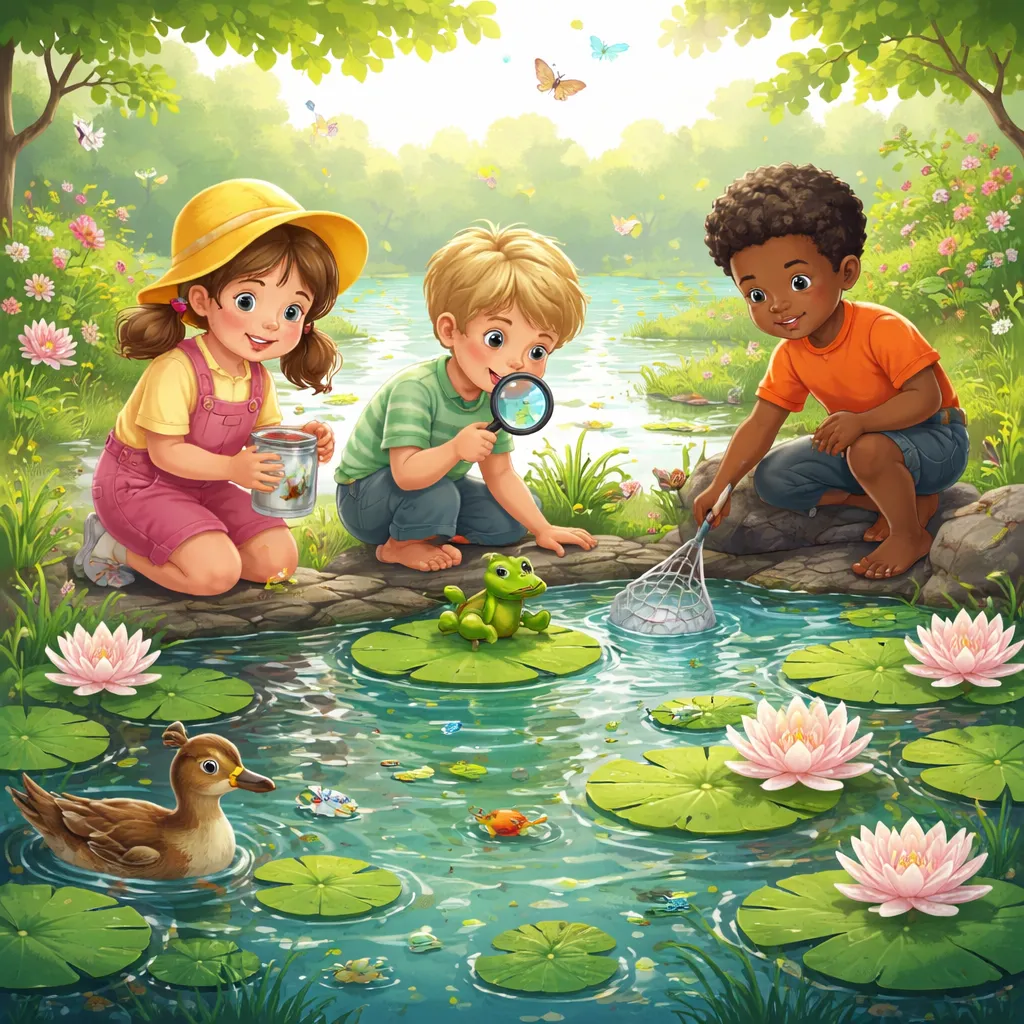
The water lily plant is a floating flower that rests gently on the surface of ponds and calm lakes. It has round, waxy leaves that float flat on the water. The leaves are often called lily pads. They are green on top and often reddish underneath. From the center of the plant, beautiful flowers rise on slender stems. The flowers open during the day and close at night. They come in soft colors like white, pink, yellow, and pale blue. Each flower has many delicate petals arranged in layers. Beneath the water, thick roots anchor the plant in the mud. For children, water lilies look like flowers resting on green plates. They are peaceful and easy to spot. Parents can take children to a pond or park with a water garden. Watching water lilies float and open with the sun becomes a gentle lesson in nature’s rhythms.
English Learning About This Plant
The English name “water lily” combines two simple words. Water describes where it grows. Lily describes the shape of the flower. The pronunciation is “wa-ter lil-ee.” The International Phonetic Alphabet (IPA) is /ˈwɔːtər ˈlɪli/. The words have three syllables together. Children can say it: wa-ter lil-y. When we learn about water lily plant, we learn words for its parts. The lily pad is the floating leaf. The leaf is round and waxy. The stem is the long, flexible stalk that connects the leaf and flower to the roots. The flower is the colorful, layered blossom that floats on the water. The root is the thick part underground that holds the plant in place. These words help children describe this peaceful water plant.
There is a famous painting of water lilies by the artist Claude Monet. He painted them many times in his garden. He said, “I am following nature without being able to grasp her.” This means nature is always changing and beautiful. Another lovely idea comes from the poet Ralph Waldo Emerson. He wrote about how water lilies open with the sun. He said they teach us to trust the light. Parents can share these words with their child. They become gentle lessons about patience and finding beauty in simple things.
Plant Facts and Scientific Knowledge
The water lily plant belongs to the family Nymphaeaceae. There are about 70 species. Water lilies grow in freshwater ponds, lakes, and slow-moving rivers. They are found on every continent except Antarctica. Water lilies are aquatic perennials. They return year after year.
Water lily leaves have a special design. They are waterproof. Water rolls off the surface. The underside has air pockets. These pockets help the leaf float. Lily pads can be as small as a few inches across or as large as three feet, depending on the species.
Water lily flowers open and close. Most open in the morning and close in the afternoon. Some open at night and close in the morning. The flowers have a sweet scent. They attract beetles and bees for pollination. After pollination, the flower pulls underwater. The seeds develop in a spongy pod.
Water lilies provide important habitat. Frogs sit on the leaves. Fish hide under them. Dragonflies perch on the flowers. The plant creates a small world of life.
Water lilies have symbolic meanings. They represent peace, purity, and rebirth. The flower rises from muddy water but remains clean. In many cultures, water lilies symbolize tranquility and the beauty of nature.
How to Grow and Care for This Plant
Growing a water lily plant is a wonderful family project. You need a container or a small pond. Choose a wide, shallow pot without drainage holes. Use heavy clay soil. Do not use potting mix. It will float away.
Place the water lily tuber or rhizome in the soil. Cover it with soil. Add a layer of gravel on top. This keeps the soil from floating. Gently lower the pot into the water. The water should cover the pot by about six to twelve inches. The leaves will float on the surface.
Place the container in full sun. Water lilies need at least six hours of direct sunlight each day. Without enough sun, they will not bloom. Children can help find the sunniest spot.
Water lilies need still water. Do not place them near waterfalls or fountains. They grow best in calm conditions. Check the water level regularly. Add water as needed. The leaves should float freely on the surface.
Fertilize water lilies in summer. Use aquatic plant fertilizer tablets. Push them into the soil near the roots. Children can help by pushing the tablets gently into the soil.
In cold areas, water lilies need protection. If you have a small container, move it indoors before frost. If the plant is in a pond, lower the pot to the deepest part. The water there stays warmer. In spring, raise it back to the shallows.
Benefits of Growing This Plant
Growing a water lily plant brings many gifts to a family. First, it creates a peaceful focal point in any garden. The floating leaves and colorful flowers turn a simple container into a miniature pond. Second, water lilies attract wildlife. Frogs may visit. Dragonflies and damselflies perch on the leaves. Children can watch these visitors from the edge of the water.
Water lilies also clean the water. Their leaves shade the water, which reduces algae growth. Their roots take up nutrients that would otherwise feed algae. This keeps the water clear. Children learn how plants help maintain balance in nature.
The plant offers a calming presence. Sitting beside a water lily and watching the flowers open brings a sense of peace. Children can practice being still and observing. This builds focus and mindfulness.
Water lilies also provide educational value. Children learn about aquatic ecosystems. They learn how plants adapt to live in water. These are real-life science lessons that feel like discovery.
What Can We Learn From This Plant
A water lily plant teaches children about peace. The flower floats gently on the water. It does not struggle or rush. Children learn that they can find calm even when the world around them feels busy. They can float like the water lily and rest.
Water lilies also teach about rising above. The plant grows from mud at the bottom of the pond. Yet its leaves and flowers are clean and beautiful. Children learn that where they start does not define where they end. They can rise and grow.
Another lesson is about daily rhythms. Water lilies open with the sun and close at night. They follow a natural rhythm. Children learn that routines are part of life. Rest and activity both have their place.
Water lilies also teach about letting go. The flowers close at night and open again in the morning. They do not hold onto the day. Children learn that each day is new. They can let go of yesterday and welcome what comes.
Fun Learning Activities
There are many simple activities to help children learn about water lily plant. One activity is a leaf observation. If you have a water lily, let your child touch the leaf. Notice how water rolls off. Put a drop of water on the leaf. Watch it bead and roll. This shows the waterproof surface.
Another activity is a floating experiment. Take a water lily leaf or a large green leaf from another plant. Place it in a bowl of water. Does it float? Add small objects like a pebble or a toy frog. See how much weight the leaf can hold. This teaches about buoyancy.
A nature journal works well for water lilies. Draw the round leaf floating on the water. Draw the flower with its layered petals. Label the parts: leaf, flower, stem, root. Write the date when the first flower opens. Note how long it stays open each day.
For art, try painting water lilies. Use watercolors on wet paper. Paint the soft colors of the flower. Paint the green lily pads on blue water. Add a frog or a dragonfly. This creates a peaceful scene.
Vocabulary games are fun too. Write the words water lily, lily pad, leaf, flower, stem, and pond on cards. Say each word. Ask your child to point to the part on a picture or real plant. Practice saying water lily together. Clap the syllables: wa-ter lil-y.
Finally, try a stillness activity. Sit beside the water lily. Watch it for five minutes. Notice when the flower moves. Notice when insects visit. Talk about how it feels to sit quietly and observe. This builds mindfulness and patience.
Through these activities, children build a deep connection with a plant that teaches peace and daily rhythm. They learn new words, observe nature, and discover the calm of water gardens. The water lily plant becomes a symbol of tranquility and grace. Each time they see water lilies, they remember to breathe and rest. They remember that beauty floats gently on the surface of life. This lovely flower opens a world of sensory learning, patience, and gentle wonder that stays with them through the years.