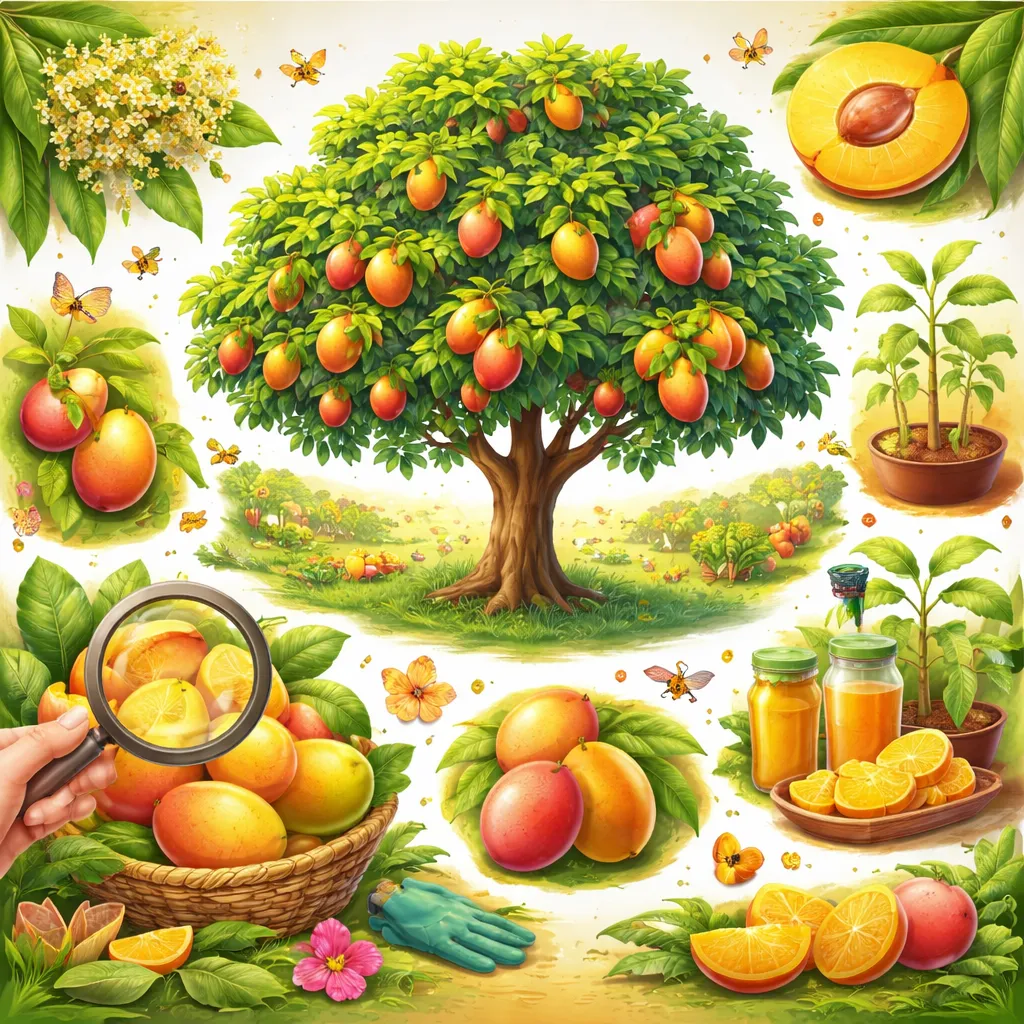

Have you walked beneath a wide shady canopy in a warm land and smelled honey-sweet scent on the wind? Have you held a plump golden fruit and tasted juicy sunshine that melts on your tongue? This grand tropical tree bears the king of fruits, and today we will learn about mango tree plant together.
It stands tall with spreading branches that make a cool green umbrella for all who rest beneath. It dresses in tiny flowers first and then wraps itself in golden fruits as the sun blazes bright. Let us start a warm adventure to explore this magnificent fruit-bearing tree.
Let‘s Learn the Word! – Open the Treasure Box of Language
Formal Name and Pronunciation The full name of this plant is mango tree, pronounced /ˈmæŋɡəʊ triː/. Clap twice for man-go and once for tree to make a lively tropical rhythm. Pretend to take a bite of sweet mango as you say the word out loud.
Word Origin Story The word “mango” comes from the Tamil word “mangkay” from southern India. Traders brought the fruit and its name to Europe through Portuguese sailors long ago. It traveled across seas and lands, keeping its soft and tropical sound all the way. “Tree” comes from Old English words that describe tall, strong woody plants.
Nicknames and Other Names Gardeners call it the King of Fruits Tree for its delicious and prized mangoes. Children love to name it “Golden Sun Tree” for its bright orange and yellow fruits. It is also known as a tropical evergreen tree in warm rainforest regions.
Core Plant Parts Vocabulary Trunk grows thick and rough, like a brown pillar holding the huge mango tree upright. Canopy is the wide spread of branches that forms a green umbrella overhead. Leaves are long and slender, young leaves are pink then turn dark glossy green. Panicles are long clusters holding hundreds of tiny creamy white flowers. Blossoms are small and star-shaped, releasing a sweet and mild fragrance. Roots dig deep underground to drink water from dry tropical soil. Fruit is oval and plump, with smooth skin turning golden red when ripe. Seed is the large flat stone inside, holding the life of a new mango tree plant.
Action and State Words Bloom means tiny white flowers cover the tree in dry tropical seasons. Ripen describes green fruits turning golden, sweet and juicy under hot sun. Glossy tells how mature leaves shine bright green in the tropical sunlight. Fragrant means the soft sweet smell that floats from mango flower clusters. Droop shows leaves hanging down when the tree needs more water.
Ecosystem Related Vocabulary Honeybees and flies visit blossoms to collect sweet nectar for food. Fruit bats fly at night to sip nectar and help the tree make fruits. Birds peck at ripe mangoes and carry seeds to grow new trees far away. Squirrels climb thick branches to nibble on soft ripe mango flesh.
Cultural Imprints in Language A tropical proverb says that a mango tree rewards patience with golden sweetness. It teaches children that good things come to those who wait with care and love. A simple nursery rhyme sings, “Mango flowers white, mango fruits bright, sunshine fills the warm daylight.” It paints a happy picture of the mango tree’s cycle in warm tropical lands. The phrase “mango season” means a time of joy and plenty in tropical countries.
Now we hold all the special words to explore deeper, and we can learn about mango tree plant’s hidden natural secrets.
Discover the Plant’s Secrets! – Nature Detective’s Exploration Notes
Plant Passport The mango tree plant belongs to the Anacardiaceae family, the cashew family. Its scientific genus is Mangifera, with over 400 kinds of mangoes across the world. It grows as a large evergreen tree with a broad umbrella-shaped canopy. Young leaves are pink or red, turning glossy dark green as they grow older. Long clusters of creamy white flowers bloom before new fruits start to form.
The mango tree follows a warm seasonal cycle in tropical climates. Pink new leaves sprout and flower clusters bloom in dry winter months. Small green fruits form and grow slowly through the hot summer season. Fruits ripen to golden orange or red in late summer and early autumn. It keeps all its leaves year-round, never going fully dormant in warm weather.
Survival Wisdom Mango trees have deep taproots that find water in long dry seasons. They love full blazing sunlight and need heat to grow sweet ripe fruits. They first grew in the foothills of the Himalayas in southern Asia thousands of years ago. Now they thrive in tropical regions across India, Brazil, Mexico and Thailand. They can live for over 100 years and still bear plenty of fruits each season.
Ecological Niche and Contributions As a key tropical producer, the mango tree makes food from sunlight and water. Insects and bats get nectar from its flowers and help pollinate for fruit growth. Wild animals find cool shade under its wide canopy and eat ripe fruits. Its strong roots hold soil together and stop landslides in heavy rainy seasons. Leaves absorb harmful gases and release fresh oxygen for all living things. Fallen leaves rot into rich soil that feeds small plants in the forest.
Human History and Cultural Symbols In India, the mango is a sacred symbol of love, prosperity and good luck. Mango leaves are hung on doorways for festivals to bring happiness and blessings. In Southeast Asia, it represents tropical warmth and the joy of summer. People eat fresh mangoes, make juices, ice creams, sweet jams and savory chutneys. Mango wood is used to make strong furniture and handmade crafts.
Fun Wow Facts Mango trees are related to cashew and pistachio nut trees, sharing the same family. A single mango tree can produce more than 1000 fruits in one good season. Young mango leaves are pink because they lack green chlorophyll when small.
We have unlocked all the amazing secrets of this tropical tree, and now we can grow a mango tree plant with our own hands.
Let’s Grow It Together! – Little Guardian’s Action Guide
Suitability for Home Planting Dwarf mango trees grow well in extra-large pots on sunny patios and balconies. Full-sized mangoes need a big open garden with space to spread their wide canopy. It needs a spot with full direct sunlight for at least 8 hours every single day. It grows best in warm places, and needs protection from cold wind and frost.
Little Gardener’s Tool Kit A young dwarf mango sapling works far better than large seeds for quick fruiting. An extra-large clay pot with drainage holes to keep roots from rotting. Sandy loamy soil mixed with compost, perfect for quick water drainage. A large watering can, organic fruit fertilizer and a small shovel for planting. A soft cloth to wipe dust from glossy mango leaves regularly.
Step-by-Step Planting and Care Plant the sapling in early spring when the weather grows warm and mild. Fill the pot with soil, dig a deep hole, place the sapling and cover roots fully. Water the soil slowly until it is moist all through for the first planting time.
Check the top soil every day, water only when it feels dry and crumbly. Keep the pot in full sunlight, as sunshine makes mangoes sweet and golden. Feed the tree with organic fertilizer once a month in warm growing seasons.
Watch the tree every day and draw its changes in a special nature notebook. Record when pink leaves appear, flowers bloom and green fruits start to grow.
Problem Diagnosis Room Yellow leaves mean too much water, stop watering and let soil dry out completely. Small white bugs on leaves can be wiped away with mild soapy water gently. No flowers show not enough sunlight, move the pot to a brighter warm spot. Droopy pink leaves mean the tree is thirsty, give it a slow deep drink of water.
Harvest and Growth Gifts Wait 3 to 5 years for dwarf trees to grow your own sweet home-grown mangoes. Harvesting ripe mangoes teaches kids patience and respect for tropical plants. Caring for the tree builds responsibility and love for warm weather flora. Sharing fresh mangoes with family creates sweet tropical memories at home.
Creative Extension Activities Make a growth diary to draw and write about the tree’s changes each week. Create leaf rubbings with paper and crayons to save long mango leaf shapes. Paint a picture of golden mangoes and pink young leaves on a tall green tree. Learn the mango nursery rhyme and sing it while caring for your tropical tree. Make mango smoothies with your harvest and share them with your best friends.
Nurturing a mango tree helps us connect with tropical nature and truly learn about mango tree plant each passing day.
Conclusion and Eternal Curiosity Today we have finished a warm and wonderful journey with the magnificent mango tree plant. We learned useful English words, discovered tropical secrets and learned to grow this special tree with care. This grand evergreen tree gives us sweet golden fruits, cool shade and helps countless forest creatures thrive. It teaches us that warmth, sunlight and patience can grow the most delicious treasures in nature.
Keep your eyes wide open when you visit botanical gardens or warm tropical parks. Look closely at tall evergreen trees and golden oval fruits, and you will find new magic every single day. Never stop asking questions about nature, because the world holds endless tropical wonders waiting for you to explore and cherish.