
Some songs celebrate the simple tools that help us learn. The Chinese Songs: Little Chalk (小粉笔) does exactly that. This gentle children's song honors the little piece of chalk that writes letters, numbers, and pictures on the blackboard. For families learning English and Chinese together, this song offers a wonderful way to explore school vocabulary, colors, and the magic of creating something from nothing. Let us discover what makes this traditional song so meaningful for young learners.
What Is the Story Behind This Famous Song?
The Chinese Songs: Little Chalk (小粉笔) is a beloved children's song from China. It describes a small piece of colorful chalk that helps teachers write lessons and draw pictures. The song teaches children to appreciate the simple tools that make learning possible.
In traditional Chinese classrooms, chalk and blackboard were essential teaching tools. Teachers would write characters, draw diagrams, and create beautiful lessons with colored chalk. Children watched in wonder as letters and pictures appeared from the chalk's tip.
The song personifies the little chalk as a helpful friend who gives itself to help others learn. With each use, the chalk gets smaller, but it doesn't complain. It happily writes and draws until it's gone. This teaches children about generosity and purpose.
The melody is gentle and respectful, like a thank you to the chalk. Children learn to appreciate not just teachers, but also the tools that help them learn.
Understanding this背景 helps families appreciate the song's message of gratitude and the value of simple things. It opens conversations about school, writing, and how we learn.
The Complete Lyrics of the Song
Reading the words helps us understand this grateful message. Here are the lyrics to the Chinese Songs: Little Chalk (小粉笔) in Chinese characters, pinyin, and English.
小粉笔,小粉笔,身穿花衣裳 Xiǎo fěn bǐ, xiǎo fěn bǐ, shēn chuān huā yī shang Little chalk, little chalk, body wears colorful clothes
红黄蓝绿真好看,在黑板上画 Hóng huáng lán lǜ zhēn hǎo kàn, zài hēi bǎn shàng huà Red yellow blue green really beautiful, on blackboard draw
小粉笔,小粉笔,写字又画画 Xiǎo fěn bǐ, xiǎo fěn bǐ, xiě zì yòu huà huà Little chalk, little chalk, write characters and draw pictures
教我认字学文化,我们都爱它 Jiào wǒ rèn zì xué wén huà, wǒ men dōu ài tā Teach me recognize characters learn culture, we all love it
小粉笔,小粉笔,越变越短啦 Xiǎo fěn bǐ, xiǎo fěn bǐ, yuè biàn yuè duǎn la Little chalk, little chalk, more become more short
为了我们长知识,粉笔不害怕 Wèi le wǒ men zhǎng zhī shi, fěn bǐ bù hài pà For us grow knowledge, chalk not afraid
Learning New Words from the Song
The Chinese Songs: Little Chalk (小粉笔) introduces many useful words. Let us explore them in both Chinese and English.
First, "小粉笔" (xiǎo fěn bǐ) means little chalk. "粉" (fěn) means powder. "笔" (bǐ) means pen or writing tool. Chalk is a writing tool that leaves powder.
"身穿花衣裳" (shēn chuān huā yī shang) means body wears colorful clothes. "身" (shēn) means body. "穿" (chuān) means wear. "花衣裳" (huā yī shang) means colorful clothes, describing the chalk's colored coating.
"红黄蓝绿" (hóng huáng lán lǜ) lists four colors: red, yellow, blue, green. These basic color words are essential for young learners.
"真好看" (zhēn hǎo kàn) means really beautiful. This phrase expresses appreciation.
"在黑板上画" (zài hēi bǎn shàng huà) means on blackboard draw. "黑板" (hēi bǎn) means blackboard. "画" (huà) means draw or paint.
"写字又画画" (xiě zì yòu huà huà) means write characters and draw pictures. "写" (xiě) means write. "字" (zì) means character. "又" (yòu) means both...and...
"教我认字学文化" (jiào wǒ rèn zì xué wén huà) means teach me recognize characters learn culture. "教" (jiào) means teach. "认字" (rèn zì) means recognize characters. "文化" (wén huà) means culture.
"我们都爱它" (wǒ men dōu ài tā) means we all love it. This shows collective gratitude.
"越变越短啦" (yuè biàn yuè duǎn la) means more become more short. The chalk gets smaller with use.
"为了我们长知识" (wèi le wǒ men zhǎng zhī shi) means for us grow knowledge. "为了" (wèi le) means for the purpose of. "知识" (zhī shi) means knowledge.
"粉笔不害怕" (fěn bǐ bù hài pà) means chalk not afraid. It willingly gives itself for learning.
Exploring Pronunciation and Rhythm
The Chinese Songs: Little Chalk (小粉笔) offers wonderful practice with Mandarin tones and rhythm. The respectful melody matches the grateful message.
Listen to "Xiǎo fěn bǐ" repeated. The tones go: xiǎo (third tone, falling then rising), fěn (third tone), bǐ (third tone). Three third tones in a row require careful practice, with the first becoming a second tone in natural speech.
The color list "hóng huáng lán lǜ" uses second tone for "hóng" (rising), second tone for "huáng" (rising), second tone for "lán" (rising), and fourth tone for "lǜ" (falling). The rising tones feel bright like colors.
"Yuè biàn yuè duǎn la" uses fourth tone for "yuè" (falling), fourth tone for "biàn" (falling), fourth tone for "yuè" (falling), third tone for "duǎn" (falling then rising), and neutral "la". The repeated falling tones emphasize the shrinking.
Finding Grammar Patterns in the Lyrics
The Chinese Songs: Little Chalk (小粉笔) offers useful grammar examples for Chinese learners. One pattern appears with "又...又..." (yòu...yòu...). "写字又画画" means both writes and draws. This structure shows two actions together.
The song uses "越...越..." (yuè...yuè...) in "越变越短" meaning the more it becomes, the shorter it gets. This structure shows increasing change.
Another pattern appears with "为了" (wèi le) meaning "for the purpose of". "为了我们长知识" explains why the chalk gives itself.
The phrase "教" (jiào) plus object plus action shows teaching. "教我认字" means teach me recognize characters. This structure is essential for talking about learning.
The word "都" (dōu) in "我们都爱它" means "all". This shows everyone together.
Fun Learning Activities for the Whole Family
Listening to the Chinese Songs: Little Chalk (小粉笔) can inspire many family activities. Here are some ideas to try together.
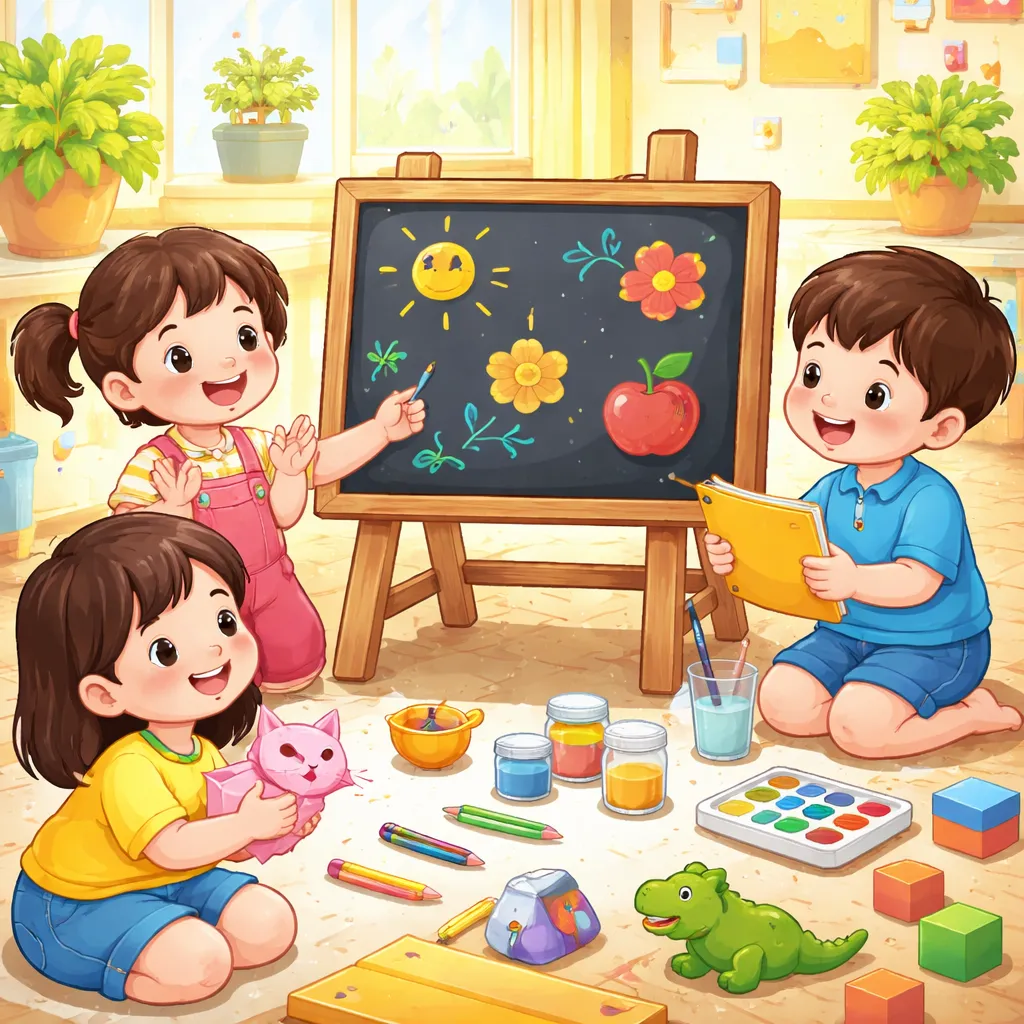
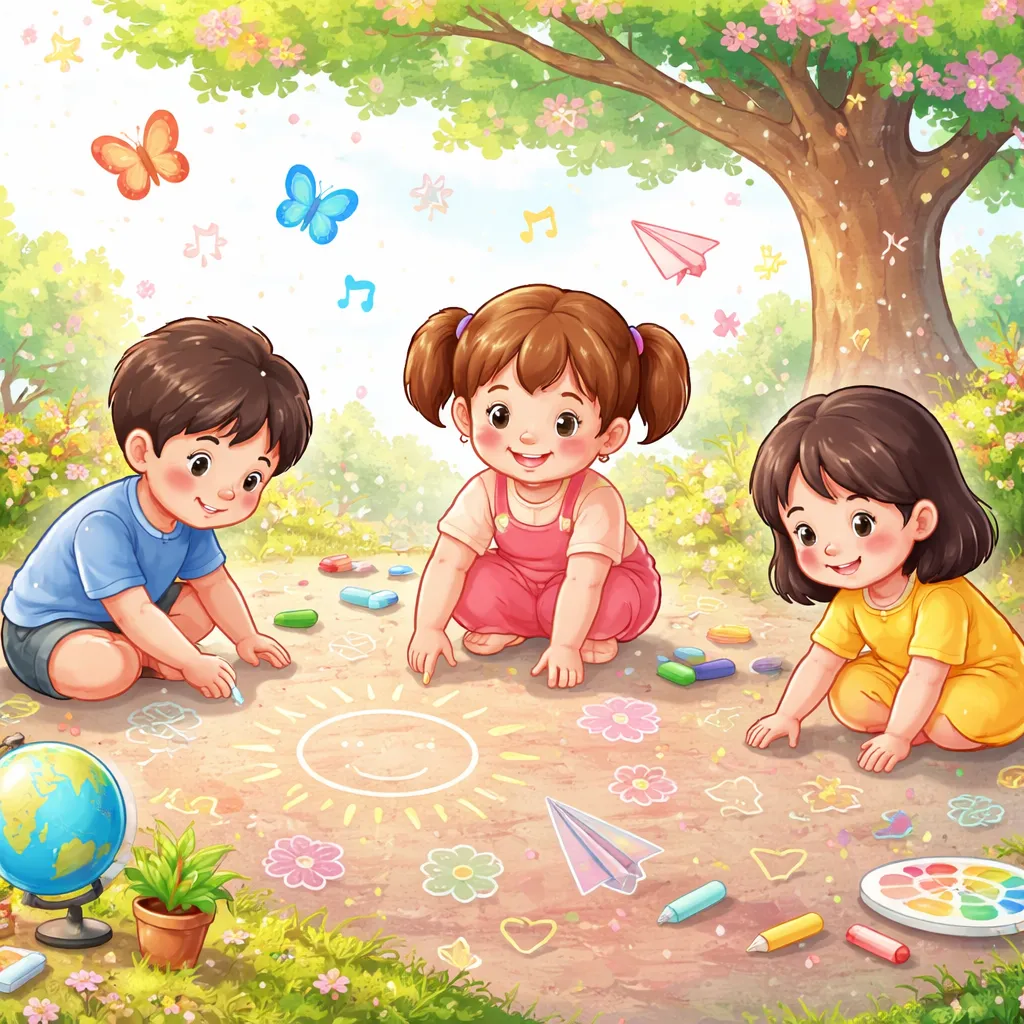
First, draw with chalk. Get colored chalk and a chalkboard or sidewalk. Practice writing Chinese characters and drawing pictures. Name colors in Chinese as you use them. "用红色粉笔" (use red chalk), "画一朵花" (draw a flower). This connects language to creative play.
Second, practice writing Chinese characters. Use chalk to write simple characters on a board. Say each stroke in Chinese. "横" (horizontal line), "竖" (vertical line), "撇" (left-falling stroke). This builds character recognition and writing skills.
Third, have a gratitude discussion. Talk about the tools that help us learn. Books, pencils, computers, and yes, chalk. Use Chinese to express thanks. "谢谢粉笔" (thank you chalk), "谢谢老师" (thank you teacher). This builds gratitude vocabulary.
Creating Printable Materials at Home
Families can make simple learning tools based on the Chinese Songs: Little Chalk (小粉笔). These activities help reinforce new ideas.
Create bilingual color flashcards with chalk shapes. Cut out chalk-shaped cards. On one side, write the Chinese character and pinyin for a color. On the other side, color the chalk that color and write the English word. Practice by holding up colored chalks.
Make a stroke order practice sheet. Draw simple Chinese characters with stroke order indicated. Practice writing them with chalk on paper or a board. Say each stroke name in Chinese. This builds writing skills.
Create a fill-in-the-blank page using song lyrics in pinyin. Remove key words like "fěn bǐ", "yán sè", "hēi bǎn", "huà", "xiě zì", and "zhī shi". Leave blanks where those words belong. Listen to the song together and fill in the missing words. This builds listening and character recognition.
Connecting the Song to Daily Life
The Chinese Songs: Little Chalk (小粉笔) connects to daily life through learning and gratitude. Every day, children use tools to learn. Appreciating those tools is a valuable lesson.
Talk with your children about the things that help them learn. Books, pencils, tablets, teachers. Use Chinese to name them. "书" (book), "铅笔" (pencil), "老师" (teacher). This builds appreciation and vocabulary.
The song also teaches about sacrifice for others. The chalk gets smaller so children can learn. In life, many people give of themselves to help us. Use Chinese to talk about this. "老师帮助我们" (teacher helps us) or "爸爸妈妈爱我们" (mom and dad love us).
Parents can model gratitude. When using something up, say "像粉笔一样,它帮助我们然后消失了" (like chalk, it helps us then disappears). Thank the object for its service.
Educational Games to Play Together
Games make learning with the Chinese Songs: Little Chalk (小粉笔) exciting. Here are some simple games to try.
Play the color chalk game. Call out a color in Chinese. Children find chalk of that color and draw something of that color. "红色,画一朵红花" (red, draw a red flower). This builds color and object vocabulary.
Try the teacher says game. One person is the teacher and writes on a board or paper. Others guess what they wrote in Chinese. "是数字" (it's a number) or "是汉字" (it's a Chinese character). This builds observation and vocabulary.
Play the chalk relay race. Set up a small board at a distance. Children run, write a character, run back. The next child adds a stroke. Use Chinese to call out characters. This builds writing and teamwork.
Why This Song Helps Language Learning
The Chinese Songs: Little Chalk (小粉笔) helps learners in special ways. The gentle tempo makes words easy to hear. Each phrase is clear. This helps children catch new vocabulary without feeling rushed.
The color words are essential vocabulary. Learning them through song makes them memorable.
The theme of gratitude creates positive emotions. Children feel warm toward the chalk and the words associated with it.
The school theme connects to daily experience. Children encounter chalk and writing every day at school.
Making Music Part of Your Routine
Families can make songs a regular part of bilingual learning. Choose one song each week to explore together. Listen during art time or while practicing writing.
The Chinese Songs: Little Chalk (小粉笔) works perfectly for writing practice. Play it while drawing with chalk. Let the music accompany creative time.
Remember that language learning thrives in creative moments. When children associate Chinese with colorful chalk drawings, they learn naturally. They understand that words can create beautiful things.
Keep singing, keep drawing, and keep learning with gratitude together. In the colorful classroom of bilingual learning, every new word is like a piece of chalk, ready to write something beautiful.