
Some songs celebrate small moments of joy. The English song: Little Jack Horner does exactly that. This simple nursery rhyme tells of a boy eating a Christmas pie and discovering a special treat. For families learning English together, this song offers a wonderful way to explore food words, simple actions, and the pleasure of finding something unexpected. Let us discover what makes this traditional rhyme so delightful for young learners.
What Is the Story Behind This Famous Song?
The English song: Little Jack Horner is a traditional nursery rhyme first published in the 18th century. Like many old rhymes, it may have hidden historical meanings. Some scholars believe it refers to a real event involving a man named Jack Horner who stole valuable documents hidden in a pie.
The story goes that during the time of King Henry VIII, a man sent his servant Jack Horner to deliver a pie to the king. Hidden inside the pie were deeds to valuable lands. Along the way, Jack supposedly stuck his thumb in the pie and pulled out a plum, which represented one of the best properties. He kept it for himself.
Whether true or not, the rhyme has entertained children for centuries. It pictures a boy sitting in a corner, eating his Christmas pie. He sticks in his thumb and pulls out a plum, then declares himself a good boy. The simple pride in his discovery charms young listeners.
The rhyme teaches about patience, discovery, and the joy of treats. Children love the idea of finding something special hidden inside food. Understanding this背景 helps families appreciate the rhyme's enduring appeal.
The Complete Lyrics of the Song
Reading the words helps us understand the simple story. Here are the lyrics to the English song: Little Jack Horner. Let us look at them.
Little Jack Horner sat in the corner Eating a Christmas pie He put in his thumb and pulled out a plum And said "What a good boy am I!"
Learning New Words from the Song
The English song: Little Jack Horner introduces several useful words. Let us explore them together.
First, "Little Jack Horner" is the character's name. Little shows he is small or young. Jack is a common boy's name. Horner might be his family name or describe his job making horns.
"Sat in the corner" means he sat where two walls meet. Corners are cozy spots where children often sit to eat treats. This phrase teaches prepositions of place.
"Christmas pie" is a special treat for the holiday. Christmas is a winter celebration. Pie is a baked dish with filling inside. Children learn about holidays and foods through this phrase.
"Put in his thumb" uses the word thumb, which is the shortest finger. This specific body part makes the action vivid. Children can look at their own thumbs and imagine.
"Pulled out a plum" teaches the verb "pull" which means to draw something toward you. A plum is a sweet purple fruit. Finding a whole plum inside a pie would be a wonderful surprise.
The final line "What a good boy am I!" uses an old word order. Modern English would say "What a good boy I am!" But the rhyme puts "am I" at the end to match the rhythm. This teaches children that songs sometimes use special grammar.
The exclamation shows pride and self-praise. Jack thinks highly of himself for finding the plum. Children learn to express happiness about their own discoveries.
Exploring Pronunciation and Rhythm
The English song: Little Jack Horner offers perfect practice with English rhythm. The short lines make it easy to remember and repeat.
Listen to the first line "Little Jack Horner sat in the corner". The rhythm goes LIT-tle Jack HOR-ner SAT in the COR-ner. The strongest beats fall on "Lit", "Hor", "sat", and "Cor". Clapping along helps children feel this pattern.
The second line "Eating a Christmas pie" flows smoothly. EAT-ing a CHRIST-mas PIE. Three strong beats on "eat", "christ", and "pie".
The third line "He put in his thumb and pulled out a plum" has more syllables but clear rhythm. He PUT in his THUMB and PULLED out a PLUM. The actions get the strongest stress.
The final line "And said 'What a good boy am I!'" ends with emphasis. And SAID "What a GOOD BOY am I!" Children love shouting the last words with pride.
Finding Grammar Patterns in the Lyrics
The English song: Little Jack Horner offers simple grammar examples. One pattern appears in the past tense verbs. "Sat", "put", "pulled", and "said" all tell us this happened before. Children learn that we use past tense for stories about what already happened.
The song uses the preposition "in" repeatedly. "In the corner" and "in his thumb" teach location and position. "In" is one of the most common English words.
Another pattern appears with the possessive "'s" in "Christmas pie". Christmas describes the kind of pie. No apostrophe needed. But children learn that words can describe other words.
The final exclamation "What a good boy am I!" uses an exclamation structure. We use "what a" plus adjective and noun to show strong feeling. For example, "What a beautiful day!" or "What a fun game!"
The unusual word order "am I" instead of "I am" teaches children that questions and exclamations sometimes flip words around. They hear this pattern and absorb it naturally.
Fun Learning Activities for the Whole Family
Listening to the English song: Little Jack Horner can inspire many family activities. Here are some ideas to try together.
First, bake or buy a pie together. It doesn't have to be Christmas. Any pie works. Read the recipe in English. "Mix the flour and butter" or "Add the fruit filling". While eating, pretend to find a special treat inside. This connects the song to real food experiences.
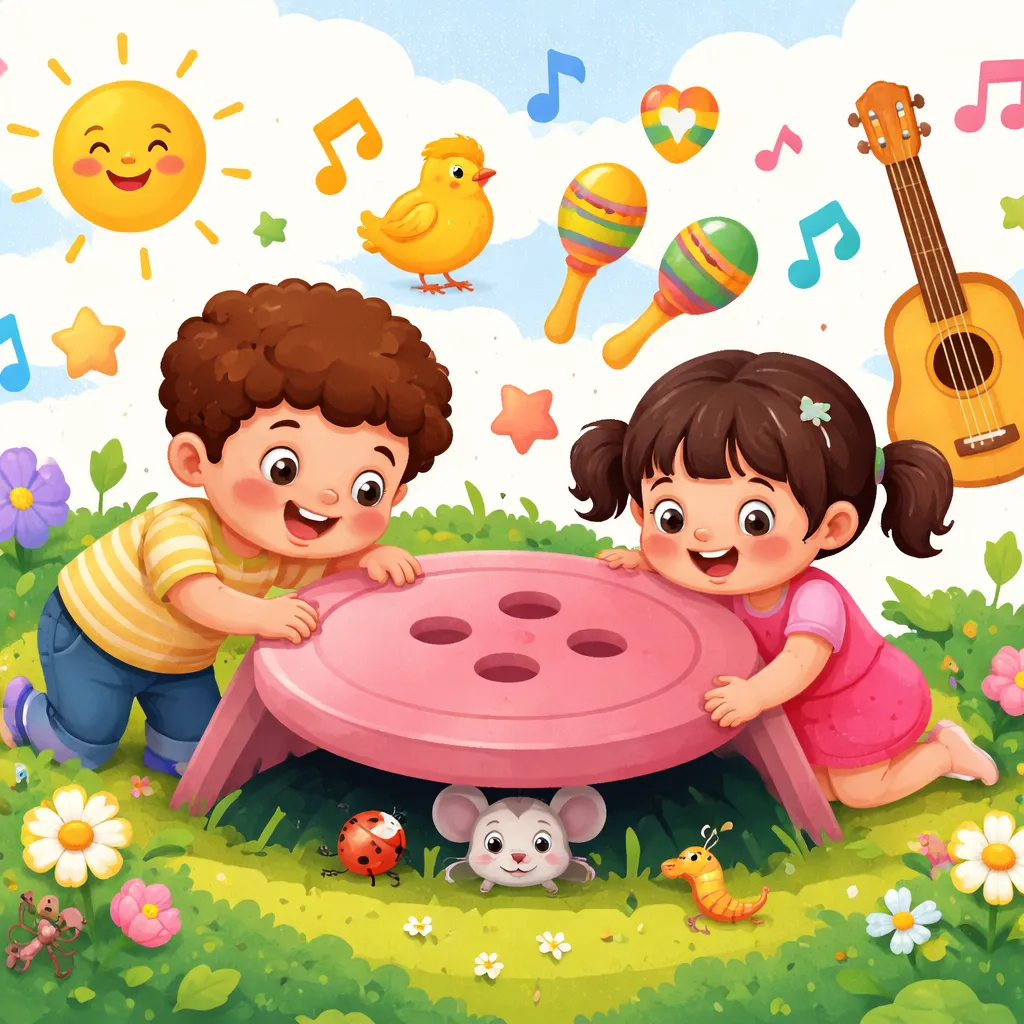
Second, have a thumb discovery game. Hide small treats or toys inside a container of rice or sand. Children stick in their thumbs and pull out surprises. Describe each find in English. "I found a red button" or "Look, a little car!" This builds vocabulary through sensory play.
Third, practice the rhyme with actions. Sit in a corner of the room. Pretend to hold a pie. Stick out your thumb. Pull it back with an imaginary plum. Shout the last line with pride. This kinesthetic learning helps memory.
Creating Printable Materials at Home
Families can make simple learning tools based on the English song: Little Jack Horner. These activities help reinforce new ideas.
Create a body parts flashcard set. Include "thumb" along with finger, hand, arm, and other parts. On each card, draw a simple picture and write the word. Practice pointing to each part and saying the word. "This is my thumb" or "Where is your thumb?"
Make a fruit identification page. Draw or paste pictures of different fruits including plums. Also include apples, pears, peaches, and berries. Write each fruit name under its picture. Practice sentences like "Plums are purple" or "I like to eat apples". This builds food vocabulary.
Create a fill-in-the-blank page using song lyrics. Remove key words like "corner", "Christmas", "pie", "thumb", "plum", and "good". Leave blanks where those words belong. Listen to the song together and fill in the missing words. This builds listening and spelling skills.
Connecting the Song to Daily Life
The English song: Little Jack Horner connects to daily life through food and discovery. Children love finding surprises. A special treat in lunch. A toy in a cereal box. A note in a pocket.
Talk with your children about happy surprises they have found. Use English to share these moments. "I found a penny on the sidewalk" or "There was an extra cookie in my lunch". This builds vocabulary about discovery and gratitude.
The song also teaches about enjoying treats slowly. Jack sits in the corner and eats his pie. He takes time to enjoy it. In busy lives, this is a good reminder. Use English to talk about slowing down. "Let's sit quietly and enjoy our snack" or "We don't need to rush".
Parents can model the simple pride Jack shows. When children discover something or do something well, celebrate with them. Say "What a good boy you are!" or "You found it all by yourself!" This builds confidence and language together.
Educational Games to Play Together
Games make learning with the English song: Little Jack Horner exciting. Here are some simple games to try.
Play the thumb hiding game. Hide a small object in one hand. Let children guess which hand holds it. They point to a hand and say "This one!" Open the hand to show. Use English sentences. "Is it in this hand?" or "You found it!" This builds question and answer skills.
Try the fruit taste test game. Cut small pieces of different fruits including plums if available. Blindfold children or have them close their eyes. Give them a piece to taste. They guess which fruit. "Is it a plum?" or "I think it's an apple". This builds sensory vocabulary.
Play the corner treasure hunt. Hide small treats in corners around the room. Give clues in English. "Look in the corner near the books" or "There's something in the kitchen corner". Children find treasures and describe where they were. "I found it in the corner by the door!" This builds preposition vocabulary.
Why This Song Helps English Learning
The English song: Little Jack Horner helps learners in special ways. The extreme shortness makes it easy to master. Children can learn the whole rhyme in minutes, building instant confidence.
The simple vocabulary matches what beginners need. Words like corner, eat, pie, thumb, pull, plum, good, and boy appear in early lessons. Learning them through rhyme makes them easy to recall.
The actions in the rhyme are easy to act out. Children put in their thumbs and pull out imaginary plums. Physical movement helps memory.
The pride in the final line creates positive feelings. Children love saying "What a good boy am I!" They feel good about themselves, which supports learning.
Making Music Part of Your Routine
Families can make songs a regular part of English time. Choose one song each week to explore together. Listen during snack time or quiet moments.
The English song: Little Jack Horner works perfectly for snack time. Sing it before eating a treat. Let the rhyme add fun to everyday moments.
Remember that language learning thrives in cozy moments. When children associate English with sitting in corners and eating pies, they feel safe and happy. They learn that English is not just lessons. It is the language of treats and discoveries.
Keep singing, keep discovering, and keep celebrating the small joys of language together. In the warm corner of family learning, every new word is like a sweet plum, waiting to be pulled out and enjoyed.