
Some songs ring with the joyful sound of tiny bells. The Chinese Songs: Little Bell (小铃铛) does exactly that. This cheerful children's song celebrates the clear, sweet sound of little bells ringing. For families learning English and Chinese together, this song offers a wonderful way to explore sound words, animal friends, and the pure joy of making music. Let us discover what makes this traditional song so delightful for young learners.
What Is the Story Behind This Famous Song?
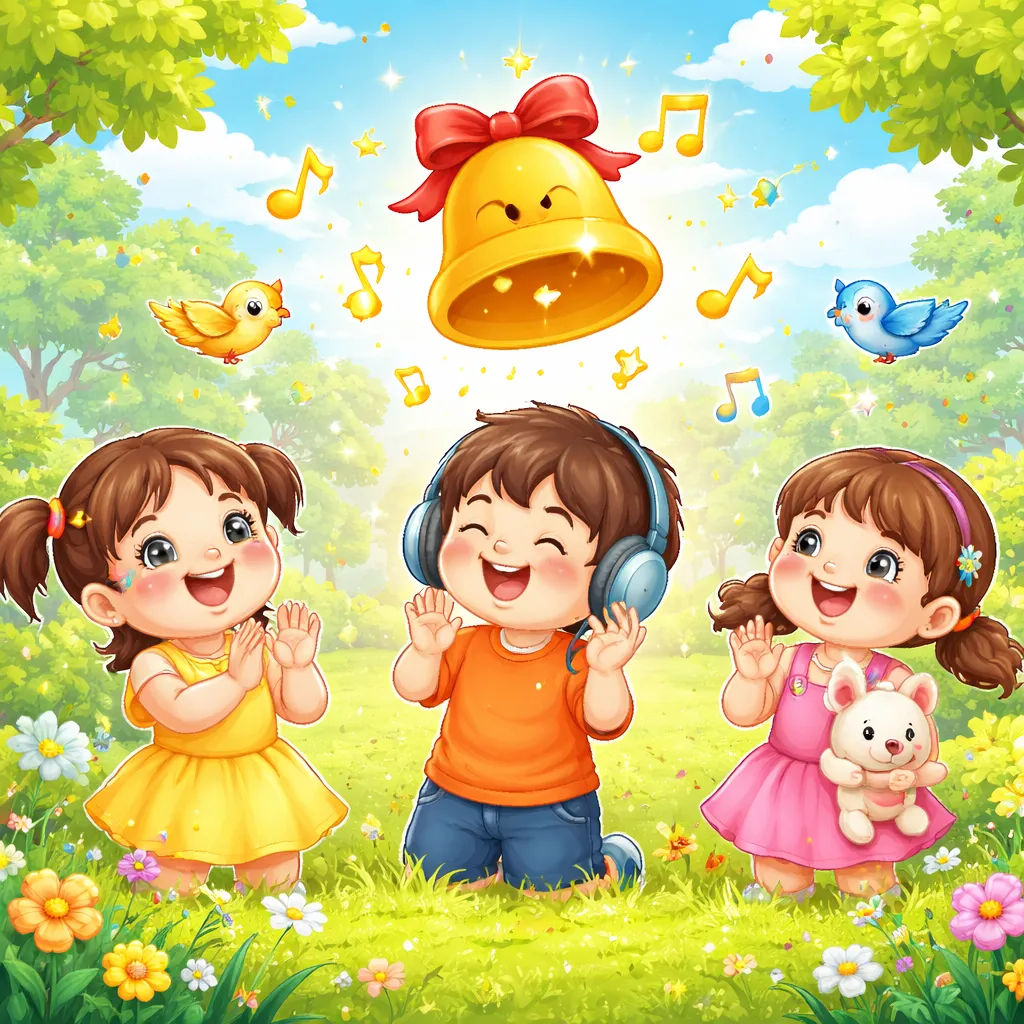
The Chinese Songs: Little Bell (小铃铛) is a beloved children's song from China. It describes a little bell that rings with a happy sound. The bell's ringing attracts animal friends who come to listen and play.
Bells have special meaning in many cultures. In China, bells have been used for thousands of years in temples, palaces, and celebrations. Small bells like the one in this song often hang on children's toys, pets' collars, or wind chimes. Their clear, bright sound brings smiles.
The song personifies the bell as a happy little friend. It rings "ding dong" to greet the day. Animals gather around to enjoy its music. This creates a scene of harmony between nature and sound.
The melody is simple and bouncy, like a bell ringing. Children often clap or tap along while singing. The "ding dong" sounds are easy to repeat and fun to say.
Understanding this背景 helps families appreciate the song's connection to Chinese culture and the universal appeal of musical sounds. It opens conversations about music, animals, and the simple pleasure of a happy sound.
The Complete Lyrics of the Song
Reading the words helps us understand this joyful bell song. Here are the lyrics to the Chinese Songs: Little Bell (小铃铛) in Chinese characters, pinyin, and English.
小铃铛,小铃铛,叮当叮当响
Xiǎo líng dang, xiǎo líng dang, dīng dāng dīng dāng xiǎng
Little bell, little bell, ding dong ding dong sounds
小狗狗,跑过来,摇摇尾巴听
Xiǎo gǒu gou, pǎo guò lái, yáo yáo wěi ba tīng
Little puppy, run over, shake shake tail listen
小猫咪,跑过来,竖起耳朵听
Xiǎo māo mi, pǎo guò lái, shù qǐ ěr duo tīng
Little kitten, run over, perk up ears listen
小朋友,跑过来,拍着小手笑哈哈
Xiǎo péng you, pǎo guò lái, pāi zhe xiǎo shǒu xiào hā hā
Little children, run over, clap little hands laugh ha ha
小铃铛,小铃铛,大家都爱你
Xiǎo líng dang, xiǎo líng dang, dà jiā dōu ài nǐ
Little bell, little bell, everyone all loves you
Learning New Words from the Song
The Chinese Songs: Little Bell (小铃铛) introduces many useful words. Let us explore them in both Chinese and English.
First, "小铃铛" (xiǎo líng dang) means little bell. "铃" (líng) means bell. "铛" (dāng) imitates the bell sound. Together they create a word that sounds like what it means.
"叮当叮当" (dīng dāng dīng dāng) is onomatopoeia for bell sounds. These words sound like the ringing itself. Children love saying them.
"响" (xiǎng) means to sound or make noise. This useful verb helps children talk about any sound.
"小狗狗" (xiǎo gǒu gou) means little puppy. Repeating "狗" (gǒu) makes it sound cute and childlike.
"跑过来" (pǎo guò lái) means run over here. "跑" (pǎo) is run. "过来" (guò lái) means come over. This phrase teaches movement toward the speaker.
"摇摇尾巴" (yáo yáo wěi ba) means shake shake tail. Dogs wag their tails when happy. "尾巴" (wěi ba) is tail.
"听" (tīng) means listen. This essential verb helps children talk about using their ears.
"小猫咪" (xiǎo māo mi) means little kitten. "猫" (māo) is cat. Adding "咪" (mī) makes it cute.
"竖起耳朵" (shù qǐ ěr duo) means perk up ears. Animals raise their ears to listen carefully. "耳朵" (ěr duo) means ears.
"小朋友" (xiǎo péng you) means little children or friends. This common term is used for kids.
"拍着小手" (pāi zhe xiǎo shǒu) means clapping little hands. "拍" (pāi) is clap or pat. "手" (shǒu) is hand.
"笑哈哈" (xiào hā hā) means laugh ha ha. This joyful sound shows happiness.
"大家都爱你" (dà jiā dōu ài nǐ) means everyone all loves you. "大家" (dà jiā) means everyone. "都" (dōu) means all. "爱" (ài) means love. "你" (nǐ) means you. This sweet ending expresses affection for the little bell.
Exploring Pronunciation and Rhythm
The Chinese Songs: Little Bell (小铃铛) offers wonderful practice with Mandarin tones and rhythm. The bouncy melody matches the bell sounds perfectly.
Listen to "Xiǎo líng dang" repeated. The tones go: xiǎo (third tone, falling then rising), líng (second tone, rising), dang (neutral tone). The neutral tone at the end is common in children's words.
The phrase "dīng dāng dīng dāng" uses first tone for both syllables, high and level. This steady pitch sounds like a bell ringing.
"Pǎo guò lái" uses third tone for "pǎo" (falling then rising), fourth tone for "guò" (falling), and second tone for "lái" (rising). The combination creates a running rhythm.
"Xiào hā hā" uses fourth tone for "xiào" (falling) and first tone for "hā" (high level). The laughing sound stays high and happy.
Finding Grammar Patterns in the Lyrics
The Chinese Songs: Little Bell (小铃铛) offers useful grammar examples for Chinese learners. One pattern appears with directional complements. "跑过来" (pǎo guò lái) uses "过来" (guò lái) to show movement toward the speaker. This structure is essential for describing movement.
The song uses "着" (zhe) in "拍着" (pāi zhe) to show an ongoing action. The children are in the middle of clapping as they laugh. This particle helps describe continuous actions.
Another pattern appears with verb repetition. "摇摇" (yáo yáo) shows the tail wagging repeatedly. This reduplication makes the action seem light and playful.
The phrase "大家都爱你" (dà jiā dōu ài nǐ) shows how Chinese uses "都" (dōu) to mean "all" before the verb. This word order is different from English.
The song uses simple subject-verb-object sentences throughout. "小狗跑过来" (puppy runs over) follows basic Chinese word order.
Fun Learning Activities for the Whole Family
Listening to the Chinese Songs: Little Bell (小铃铛) can inspire many family activities. Here are some ideas to try together.
First, make a little bell craft. Use small bells, string, and decorations to create your own bell. Hang it where it can ring in the wind. Practice Chinese words while crafting. "铃铛" (bell), "绳子" (string), "漂亮" (beautiful). This connects language to hands-on creation.
Second, practice animal sounds and movements. Pretend to be the puppy, kitten, and children in the song. Wag your tail, perk up your ears, clap your hands. Use Chinese words for each action. "摇尾巴" (wag tail), "竖起耳朵" (perk up ears), "拍手" (clap hands). This kinesthetic learning makes words memorable.
Third, have a bell parade. Give each family member a small bell or shaker. March around the house ringing them while singing the song. Take turns being the leader. This builds rhythm and joy together.
Creating Printable Materials at Home
Families can make simple learning tools based on the Chinese Songs: Little Bell (小铃铛). These activities help reinforce new ideas.
Create bilingual animal flashcards. On one side, write the Chinese character and pinyin for animals from the song. Dog, 狗. Cat, 猫. On the other side, draw the animal and write the English word. Add other animals children love. Review these cards together.
Make a body parts coloring page. Draw simple outlines of a dog, cat, and child. Label body parts in Chinese. Tail, 尾巴. Ears, 耳朵. Hands, 手. Color together while saying the words. This builds body vocabulary.
Create a fill-in-the-blank page using song lyrics in pinyin. Remove key words like "líng dang", "gǒu", "māo", "wěi ba", "ěr duo", and "péng you". Leave blanks where those words belong. Listen to the song together and fill in the missing words. This builds listening and character recognition.
Connecting the Song to Daily Life
The Chinese Songs: Little Bell (小铃铛) connects to daily life through sounds and animals. Every day is filled with sounds. Every child loves animals.
Talk with your children about sounds they hear. Bells, dogs barking, cats meowing, children laughing. Use Chinese words to describe them. "我听到铃铛声" (I hear bell sound) or "小狗叫" (puppy barks). This builds sound vocabulary.
The song also teaches about gathering together. The animals and children all come to enjoy the bell. In families, we gather to share joy. Use Chinese to talk about family time. "我们一起玩" (we play together) or "大家都开心" (everyone is happy). This builds connection vocabulary.
Parents can model listening carefully. When a bell rings, say "听,铃铛响了" (listen, bell rang). This encourages children to notice sounds and use Chinese.
Educational Games to Play Together
Games make learning with the Chinese Songs: Little Bell (小铃铛) exciting. Here are some simple games to try.
Play the sound guessing game. One person makes a sound behind a screen or with eyes closed. Bell ringing, dog barking, cat meowing, hand clapping. Others guess in Chinese. "是铃铛" (it's the bell) or "是小狗" (it's the puppy). This builds listening and animal vocabulary.
Try the animal movement game. Call out an animal and action in Chinese. "小狗跑" (puppy run) or "小猫听" (kitten listen). Everyone does that action. This builds listening and movement skills.
Play the bell hide and seek. Hide a small bell somewhere in a room. One person seeks while others ring another bell or clap to guide them. Use Chinese directions. "热" (hot) when close, "冷" (cold) when far. This builds preposition vocabulary.
Why This Song Helps Language Learning
The Chinese Songs: Little Bell (小铃铛) helps learners in special ways. The bouncy tempo makes words easy to hear. Each syllable is clear. This helps children catch new vocabulary without feeling rushed.
The repetition in the song reinforces key phrases. "小铃铛" repeats throughout. "跑过来" appears for each animal. Repetition builds memory without effort.
The animal theme connects to universal childhood experiences. Children everywhere love dogs and cats. This makes the Chinese words meaningful and memorable.
The sound words like "叮当" are fun to say. They build confidence with Chinese pronunciation through play.
Making Music Part of Your Routine
Families can make songs a regular part of bilingual learning. Choose one song each week to explore together. Listen during playtime or while doing crafts.
The Chinese Songs: Little Bell (小铃铛) works perfectly for music time. Play it while ringing real bells or shaking instruments. Let the music fill your home with joyful sound.
Remember that language learning thrives in joyful moments. When children associate Chinese with ringing bells and laughing animals, they learn naturally. They understand that words connect to happy experiences.
Keep singing, keep ringing bells, and keep celebrating the beautiful sounds of Chinese together. In the great symphony of bilingual learning, every new word is like a little bell adding its sweet voice to the song.