
Some songs paint pictures so strange that children never forget them. The English song: There Was an Old Woman Who Lived in a Shoe does exactly that. This curious nursery rhyme tells of a woman with so many children she doesn't know what to do. She lives in a giant shoe and raises her large family there. For families learning English together, this song offers a wonderful way to explore family words, numbers, and the power of imagination. Let us discover what makes this traditional rhyme so unforgettable for young learners.
What Is the Story Behind This Famous Song?
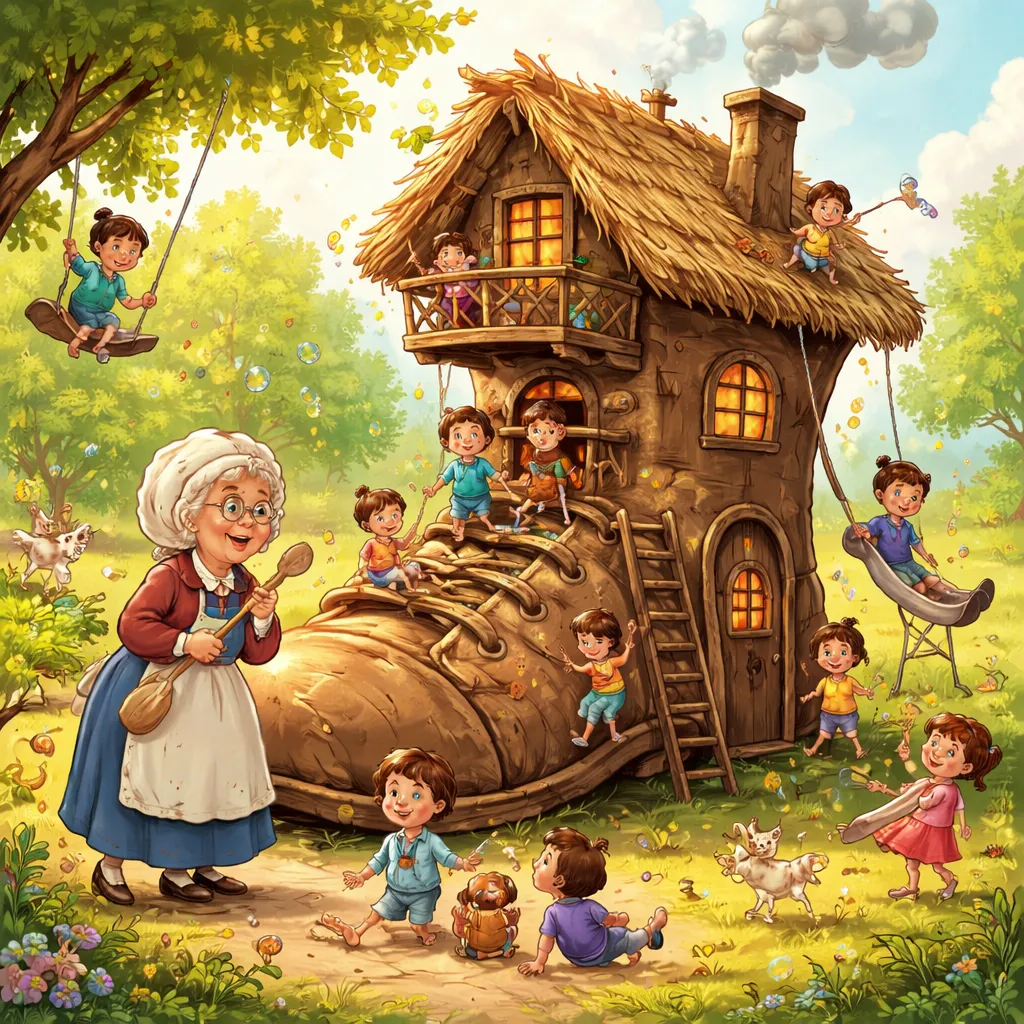
The English song: There Was an Old Woman Who Lived in a Shoe is a traditional nursery rhyme dating back to the 18th century. It first appeared in print around 1794. The image of a woman living in a shoe with her many children captured people's imaginations and has never let go.
The rhyme may have roots in old folk tales about magical shoes or houses. Some scholars think it refers to real historical figures. The old woman might represent England itself, with so many colonies she didn't know what to do with them. The children could be the American colonies causing trouble.
Others believe it simply reflects the large families common in earlier times. Women often had many children with limited resources. The rhyme pictures a mother's love and struggle in a playful, exaggerated way.
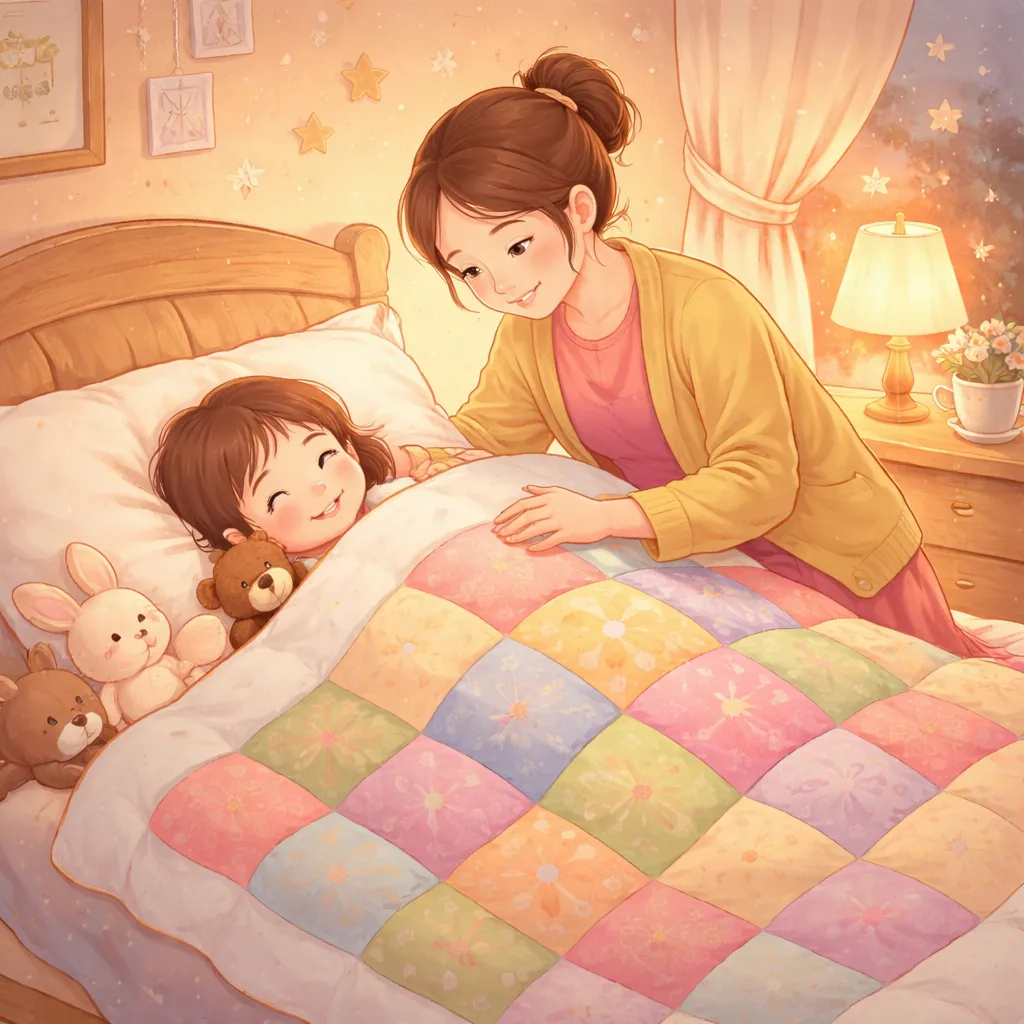
The old woman gives her children broth without bread. Then she spanks them all soundly and puts them to bed. This ending sounds harsh to modern ears. But in context, it shows a mother doing her best with what she has. She feeds them what she can and gets them to sleep.
Understanding this背景 helps families appreciate the rhyme's place in history. It opens conversations about how family life has changed over centuries.
The Complete Lyrics of the Song
Reading the words helps us understand this unusual story. Here are the lyrics to the English song: There Was an Old Woman Who Lived in a Shoe. Let us look at them.
There was an old woman who lived in a shoe She had so many children she didn't know what to do She gave them some broth without any bread And spanked them all soundly and put them to bed
Learning New Words from the Song
The English song: There Was an Old Woman Who Lived in a Shoe introduces many useful words. Let us explore them together.
First, "old woman" means a female person of advanced age. Old describes age. Woman means female adult. These basic words appear constantly in English.
"Lived in a shoe" means her home was a giant shoe. This impossible idea sparks imagination. Children love thinking about living in strange places. A shoe becomes a house in their minds.
"She had so many children" introduces the concept of large families. "So many" means a very large number. The exact number isn't given, leaving room for imagination.
"She didn't know what to do" expresses confusion and overwhelm. This phrase helps children talk about not knowing how to handle a situation. For example, "I have so many toys I don't know what to play with first" or "There are so many books I don't know which to choose".
"Broth" is a thin soup made by boiling meat or vegetables. In old times, this was simple, cheap food. The phrase "without any bread" shows they had even less than usual. No bread meant the meal was even simpler.
"Spanked them all soundly" means she hit them firmly on the bottom. "Soundly" here means thoroughly, not gently. This old-fashioned discipline seems harsh today but was common then.
"Put them to bed" means got them ready for sleep. This everyday phrase teaches a common routine. "It's time to put the children to bed" or "I put my toys to bed in the box".
Exploring Pronunciation and Rhythm
The English song: There Was an Old Woman Who Lived in a Shoe offers wonderful practice with English rhythm. The longer lines create a storytelling feel.
Listen to the opening "There was an old woman who lived in a shoe". The rhythm goes There WAS an old WO-man who LIVED in a SHOE. The strongest beats fall on "was", "wo", "lived", and "shoe". Clapping along helps children feel this pattern.
The second line "She had so many children she didn't know what to do" has more syllables but clear stress. She HAD so MAN-y CHIL-dren she DID-n't KNOW what to DO. The stressed words carry the meaning.
The third line "She gave them some broth without any bread" flows smoothly. She GAVE them some BROTH with-OUT a-ny BREAD. Three strong beats on "gave", "broth", and "bread".
The final line "And spanked them all soundly and put them to bed" ends with rhythm. And SPANKED them all SOUND-ly and PUT them to BED. The actions get the emphasis.
Finding Grammar Patterns in the Lyrics
The English song: There Was an Old Woman Who Lived in a Shoe offers useful grammar examples. One pattern appears in the opening structure. "There was an old woman" introduces a character in stories. We use "there was" to start tales. For example, "There was a princess who lived in a castle" or "There was a boy who loved to read".
The song uses the past tense throughout. "Lived", "had", "didn't know", "gave", "spanked", and "put" all tell us this happened before. Stories typically use past tense.
Another pattern appears with "so many" to show large quantity. "So many children" means a very large number. We use this structure for emphasis. For example, "I have so many books" or "There were so many people at the park".
The phrase "didn't know what to do" uses a question word in a statement. "What to do" means the thing she should do. We use this pattern often. For example, "I don't know where to go" or "She didn't know how to help".
The word "without" shows lack or absence. "Without any bread" means no bread was included. This useful preposition appears constantly. "I like tea without sugar" or "We went out without our coats".
The conjunction "and" connects the mother's actions. She gave broth AND spanked them AND put them to bed. This simple word shows sequence.
Fun Learning Activities for the Whole Family
Listening to the English song: There Was an Old Woman Who Lived in a Shoe can inspire many family activities. Here are some ideas to try together.
First, design your own strange house. What would you live in if not a regular house? A giant pumpkin? A hollow tree? A rocket ship? Draw pictures and describe them in English. "I would live in a giant seashell" or "My house would be a big tree". This builds imagination and descriptive language.
Second, count family members. How many people are in your family? Make a family tree or chart. Count in English. "There are four people in our family" or "We have two children and two parents". Talk about what the old woman might have done differently with fewer children.
Third, have a broth tasting day. Make simple broth or soup together. Talk about what's in it. "This broth has carrots and chicken" or "We put noodles in our soup". Discuss what it would be like to have only broth without bread. This connects the song to real food experiences.
Creating Printable Materials at Home
Families can make simple learning tools based on the English song: There Was an Old Woman Who Lived in a Shoe. These activities help reinforce new ideas.
Create a shoe house coloring page. Draw a giant shoe big enough to be a house. Add windows, a door, and a chimney. Draw the old woman and children peeking out. Color it together and label parts. "Door", "window", "roof", "chimney". This builds vocabulary through art.
Make a family counting book. Fold papers together to make a small book. On each page, draw one family member. Write a sentence. "This is Grandma" or "This is my brother". Count the pages at the end. "I have six people in my family". This builds family vocabulary and counting.
Create a fill-in-the-blank page using song lyrics. Remove key words like "woman", "shoe", "children", "broth", "bread", "spanked", and "bed". Leave blanks where those words belong. Listen to the song together and fill in the missing words. This builds listening and spelling skills.
Connecting the Song to Daily Life
The English song: There Was an Old Woman Who Lived in a Shoe connects to daily life through family experiences. Every parent knows moments of feeling overwhelmed. Every child knows bedtime routines.
Talk with your children about times when you felt like the old woman. "Today I had so much to do I didn't know where to start" or "When you were all crying, I felt just like her". This builds empathy and emotional vocabulary.
The song also teaches about gratitude. The old woman had very little. Just broth without bread. Most families today have more. Use English to talk about being thankful. "We have plenty of food" or "I'm grateful for our warm house".
Parents can use the song to discuss how families have changed. Long ago, children often got spanked. Today families use different methods. Talk about your family's rules and routines in English. "In our family, we use time-outs" or "We talk about problems instead of spanking".
Educational Games to Play Together
Games make learning with the English song: There Was an Old Woman Who Lived in a Shoe exciting. Here are some simple games to try.
Play the "so many" counting game. Gather a group of small objects like buttons or toys. Count them and say "I have so many buttons I don't know what to do!" Then sort or count them. This builds number vocabulary and the "so many" structure.
Try the bedtime routine game. One person pretends to be the old woman putting children to bed. Others pretend to be children. Act out the bedtime steps in English. "Time for bed. Get your pajamas. Brush your teeth. Get in bed." This builds routine vocabulary.
Play the what's in the shoe game. Place small objects inside a large shoe or boot. Children reach in without looking and feel one object. They guess what it is before pulling it out. "I think it's a spoon" or "This feels like a ball". This builds sensory vocabulary.
Why This Song Helps English Learning
The English song: There Was an Old Woman Who Lived in a Shoe helps learners in special ways. The absurd image sticks in memory. Children remember the shoe house long after they forget other lessons.
The simple vocabulary matches what beginners need. Words like woman, shoe, children, know, gave, bread, and bed appear in early lessons. Learning them through rhyme makes them easy to recall.
The story structure helps comprehension. Children follow the narrative even if they don't understand every word. The sequence of events gives context.
The family theme creates personal connections. Every child has a mother and bedtime. This makes the song relevant to their lives.
Making Music Part of Your Routine
Families can make songs a regular part of English time. Choose one song each week to explore together. Listen during bedtime routines or family discussions.
The English song: There Was an Old Woman Who Lived in a Shoe works perfectly for bedtime. Its gentle rhythm and final line about bed make it a natural lullaby. Sing it while tucking children in.
Remember that language learning thrives in imaginative moments. When children associate English with giant shoes and enormous families, they feel wonder and joy. They learn that English is not just lessons. It is the language of stories too strange to be true and too delightful to forget.
Keep singing, keep imagining, and keep exploring the quirky corners of English together. In the giant shoe of family learning, every new word finds a cozy home.