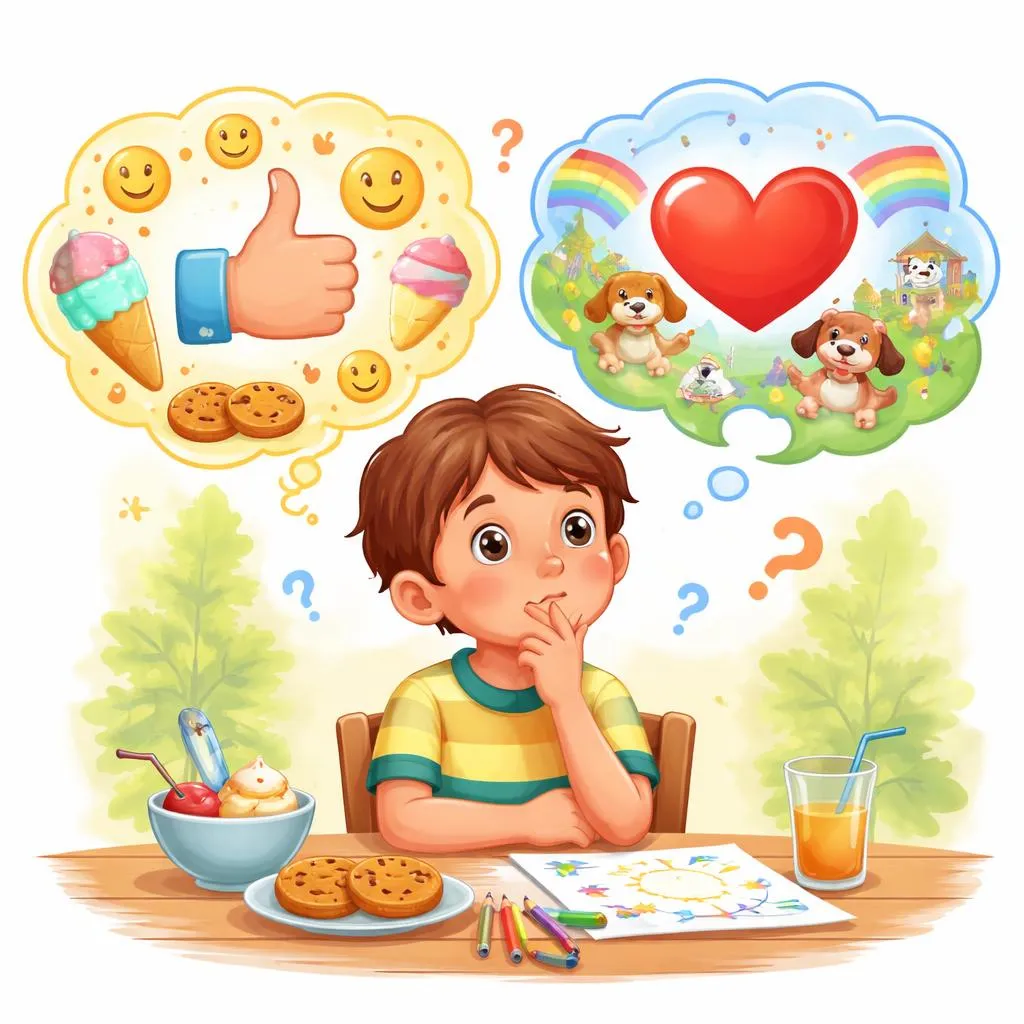

You wait for your birthday. You know there will be cake. You look forward.
You expect cake. Today we learn four words.
“Expect,” “expectation,” “expectant,” and “expected.”
Each word shares the idea of believing something will happen. Each does a different job.
Parents and children can learn these words together. They help with waiting.
What Does “Same Word, Different Forms” Mean?
One idea takes different shapes. The idea here is anticipation or belief about the future.
“Expect” is a verb. “I expect rain today.” Action.
“Expectation” is a noun. “My expectation is that you will be kind.” Belief.
“Expectant” is an adjective. “The expectant crowd waited quietly.” Describes.
“Expected” is an adjective or past verb. “The expected time is noon.” Describes. “She expected a call.” Past action.
Same root. Different endings. Different jobs. The anticipation stays.
Personal Pronouns Change Their Form
Pronouns change for grammar. “I” becomes “me.” “We” becomes “us.”
Our words change for role and time. “I expect good news.” Present.
“Your expectation is high.” Noun. “The dog is expectant.” Describes.
“The expected delivery.” Describes. “They expected snow.” Past.
Pronouns help us speak faster. Word families help us talk about the future.
When children know these four words, they understand waiting.
From Verb to Noun to Adjective to Adverb – One Family, Many Words
“Expect” is a verb. “Expect a package tomorrow.” Action.
“Expectation” is a noun. “His expectations were realistic.” Belief.
“Expectant” is an adjective. “An expectant mother prepares for a baby.” Describes.
“Expected” is an adjective. “The expected arrival time is 3 p.m.” Describes.
“Expected” is also a past verb. “We expected you earlier.” Past action.
We have an adverb “expectantly.” “The dog waited expectantly.” Not in keywords.
Five members. Very useful for schedules.
One Root, Many Roles – How Words Grow from Actions to Qualities
The root “expect” comes from Latin “expectare,” meaning to look out for. “Ex-” out + “spectare” to look.
From that root, we add “-ation” to make a noun. “Expectation” means the act of expecting.
We add “-ant” to make an adjective. “Expectant” means full of expectation.
We add “-ed” to make an adjective meaning “anticipated” or a past verb.
Help your child see this pattern. Expect is the action. Expectation is the belief. Expectant describes the feeling. Expected describes the thing.
Same Meaning, Different Jobs – Is It a Verb or a Noun?
Look at “expect.” Always a verb. “I expect you to be honest.” Action.
“Expectation” is always a noun. “The expectation was too high.”
“Expectant” is always an adjective. “The expectant puppy stared at the door.”
“Expected” can be an adjective or past verb. “The expected result.” Adjective. “She expected a letter.” Past verb.
Teach children that “expected” can be an adjective meaning “likely.”
Adjectives and Adverbs – When Do We Add -ly?
We add “-ly” to “expectant” to make “expectantly.” This is an adverb.
“The children waited expectantly.” Means in an expectant way.
We do not add “-ly” to “expect,” “expectation,” or “expected.”
For children, “expectantly” is a lovely word for describing waiting.
Watch Out for Tricky Spelling Changes (Double Letters, y to i, and More)
Spelling here is very regular. No double letters. No y to i changes.
“Expect” adds “-ation” to make “expectation.” Keep the “t.” Expect + ation = expectation.
“Expect” adds “-ant” to make “expectant.” Keep the “t.” Expect + ant = expectant.
“Expect” adds “-ed” to make “expected.” Just add.
No dropping. No vowel changes. Very clean.
Practice with your child. Write “expect.” Add “ation.” You get “expectation.” Add “ant.” You get “expectant.” Add “ed.” You get “expected.”
No tricks.
Let’s Practice – Can You Choose the Right Form?
Try these sentences. Fill in the blank with expect, expectation, expectant, or expected.
I _____ you to finish your homework. (action verb)
My _____ is that we will win the game. (noun)
The _____ mother smiled at her baby bump. (adjective)
The _____ time of arrival is 6:30. (adjective)
What do you _____ for dinner tonight? (verb)
The crowd was _____ as the performer walked on stage. (adjective)
She _____ a phone call from her friend. (past tense verb)
Your _____ should be realistic to avoid disappointment. (noun)
Answers: 1 expect, 2 expectation, 3 expectant, 4 expected, 5 expect, 6 expectant, 7 expected, 8 expectation.
Number 3 and 6 use “expectant” as an adjective meaning “full of anticipation.”
Number 4 uses “expected” as an adjective meaning “anticipated.”
Tips for Parents – Help Your Child Learn Word Families in a Fun Way
Tell them what you expect. “I expect you to put away your toys.”
Name the expectation. “My expectation is that you will try your best.”
Point to expectant people. “The dog is expectant when it sees the leash.”
Use expected for predictions. “The expected high temperature is 70 degrees.”
Play a game. You name an event. Your child says what they expect.
“Tomorrow’s weather.” “I expect sun.”
Draw a calendar. Mark “expected events.”
Read a book about waiting. “The Waiting Tree” by Lindsay Lackey.
Do not correct every mistake. If your child says “expect” for “expectation,” gently say “Expect is the action. Expectation is the hope.”
Celebrate when your child uses “expectant.” That word captures the feeling of waiting.
Explain that “expect” means to think something will happen. “You expect the sun to rise.”
Tomorrow you will expect a package. You will adjust your expectation. You will feel expectant before a surprise. You will see the expected outcome.
Your child might say “I expect a hug when I get home.” You will give one.
Keep expecting. Keep managing expectations. Keep feeling expectant. Keep meeting expected moments.
Your child will grow in language and in patience. Expectation shapes our day. Words help us hold it lightly.