
Every conversation needs a warm start. Children learn to ask about others early. Two common questions open many talks. “How are you?” and “How’s it going?” Both check on someone's feelings. But they feel different. Parents and kids can learn together. Asking the right question shows you care. It also helps friendships grow. Let us explore these two friendly questions.
What Do These Expressions Mean? “How are you?” asks about a person’s health and feelings. It means “Tell me about yourself right now.” People use it to show care.
For a child, think of a gentle hug in words. “How are you?” says “I see you. I want to know if you feel good.”
“How’s it going?” asks about a person’s life and activities. The word “it” means everything happening in your day. It means “Tell me about what you are doing and feeling.”
For a child, think of a window into someone’s day. “How’s it going?” says “I want to know what is happening with you.” Both questions start conversations. Both show interest in others. They seem similar because people use them as greetings. Yet one focuses on feelings. The other focuses on activities.
What’s the Difference? The main difference is focus. “How are you?” focuses on emotions and health. You ask this when you truly want to know if someone feels happy, sad, tired, or sick.
“How’s it going?” focuses on events and progress. You ask this when you want to know what someone is doing. Are they busy? Are they having fun? Is their day easy or hard?
Another difference is formality. “How are you?” works in both formal and casual settings. You can ask a teacher. A grandparent. A store worker. A friend.
“How’s it going?” feels more casual. Friends use it. Family uses it. But in very formal settings, “how are you” sounds better.
One more difference is length of answer. “How are you?” often gets short answers. “Fine.” “Good.” “Tired.” “How’s it going?” can get longer answers. “It’s going well. I finished my drawing. Now I am playing.”
Also, “how’s it going” works better when someone is doing an activity. A child is building blocks. Ask “How’s it going?” They can answer about the blocks. “How are you?” asks about their mood, not the activity.
Teach children that both questions show care. One checks the heart. One checks the day.
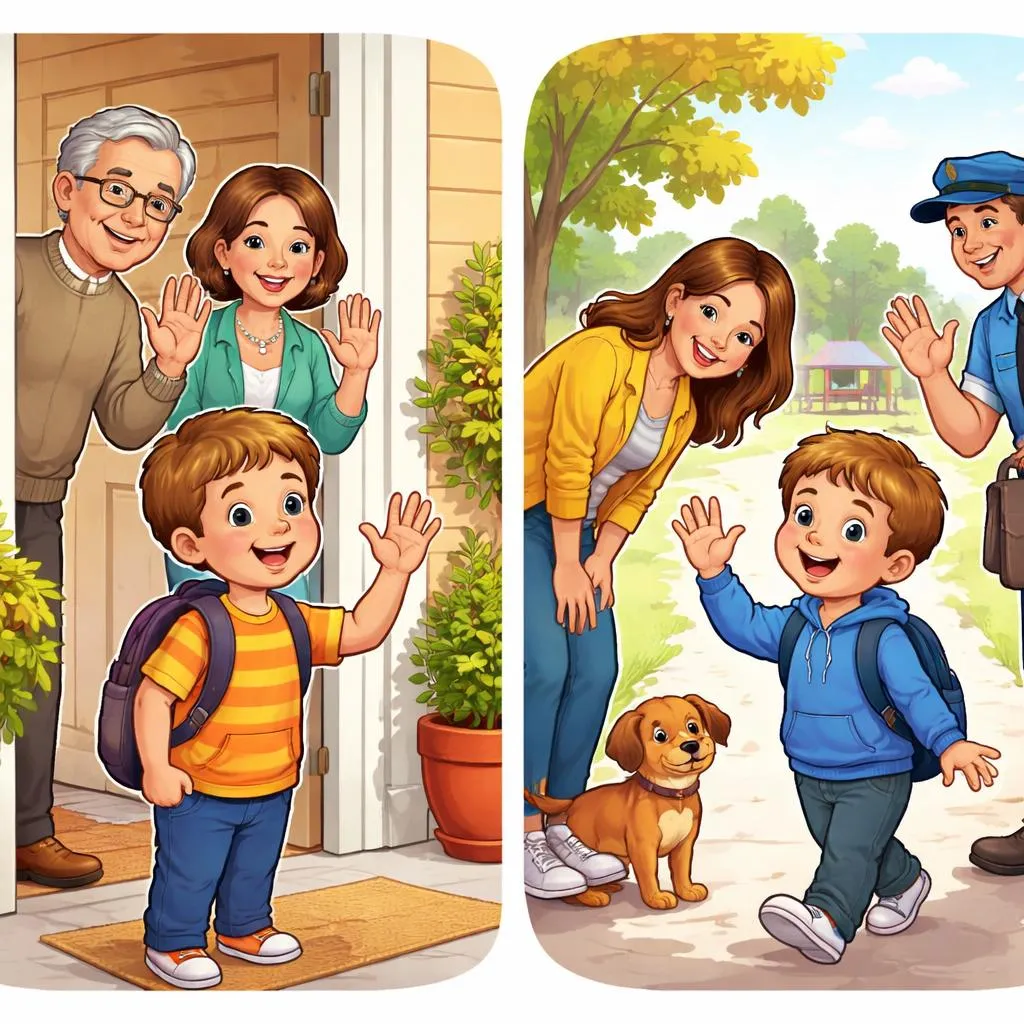
When Do We Use Each One? Use “How are you?” when you first see someone after a long time. A friend returns from vacation. Ask “How are you?” A grandparent visits. Ask “How are you?”
Use “How are you?” when someone looks sad or sick. You want to know their feelings. A quiet voice and “How are you?” opens the door.
Use “How are you?” in the morning. At breakfast. At school drop-off. It starts the day gently.
Use “How are you?” with adults you do not know well. A neighbor. A coach. A librarian. This question shows respect.
Use “How’s it going?” when someone is in the middle of an activity. A child is doing homework. Ask “How’s it going?” A parent is cooking. Ask “How’s it going?”
Use “How’s it going?” with close friends. At the playground. During a game. After school. It sounds easy and natural.
Use “How’s it going?” when you want to start a longer talk. The other person can share news. Stories. Problems. Successes.
Parents can model both. Ask “How are you?” at the dinner table. Ask “How’s it going?” during a craft project. Children learn the difference through daily life.
Example Sentences for Kids Here are simple sentences children can say.
How are you:
How are you today, Mom?
How are you feeling after your nap?
How are you, Mr. Lee? I missed you.
How are you? You look a little sad.
How are you this rainy morning?
How’s it going:
How’s it going with your puzzle?
How’s it going at soccer practice?
How’s it going, buddy? Want to play?
How’s it going with your new crayons?
How’s it going? I haven’t seen you all day.
Read these aloud. Notice how “how are you” asks about feelings. Notice how “how’s it going” asks about activities and life flow. Practice with family members.
Common Mistakes to Avoid Children often mix these questions. Here are common errors.
Mistake 1: Asking “How’s it going?” when someone looks very sad. Example: A friend is crying. You say “How’s it going?” This sounds too casual. It does not match the serious moment. Correct: Say “How are you? You look upset. Do you want to talk?”
Mistake 2: Asking “How are you?” to someone busy in an activity. Example: A child is running a race. You ask “How are you?” They cannot answer easily. It feels out of place. Correct: Say “How’s it going?” or just cheer “Go, go, go!”
Mistake 3: Not listening to the answer. Some children ask “How are you?” then walk away. This feels fake. Correct: Ask only when you have time to hear the answer. Even a nod shows you listened.
Mistake 4: Answering “How’s it going?” with a feeling word only. Example: “How’s it going?” “Fine.” This misses the point. The question asks about actions. Correct: Say “It’s going good. I am building a tower.”
Mistake 5: Using a flat, bored voice. Both questions need warmth. A flat voice makes the other person feel unwanted. Correct: Smile. Look at the person. Let your voice go up at the end of the question.
Easy Memory Tips Here are simple memory tricks.
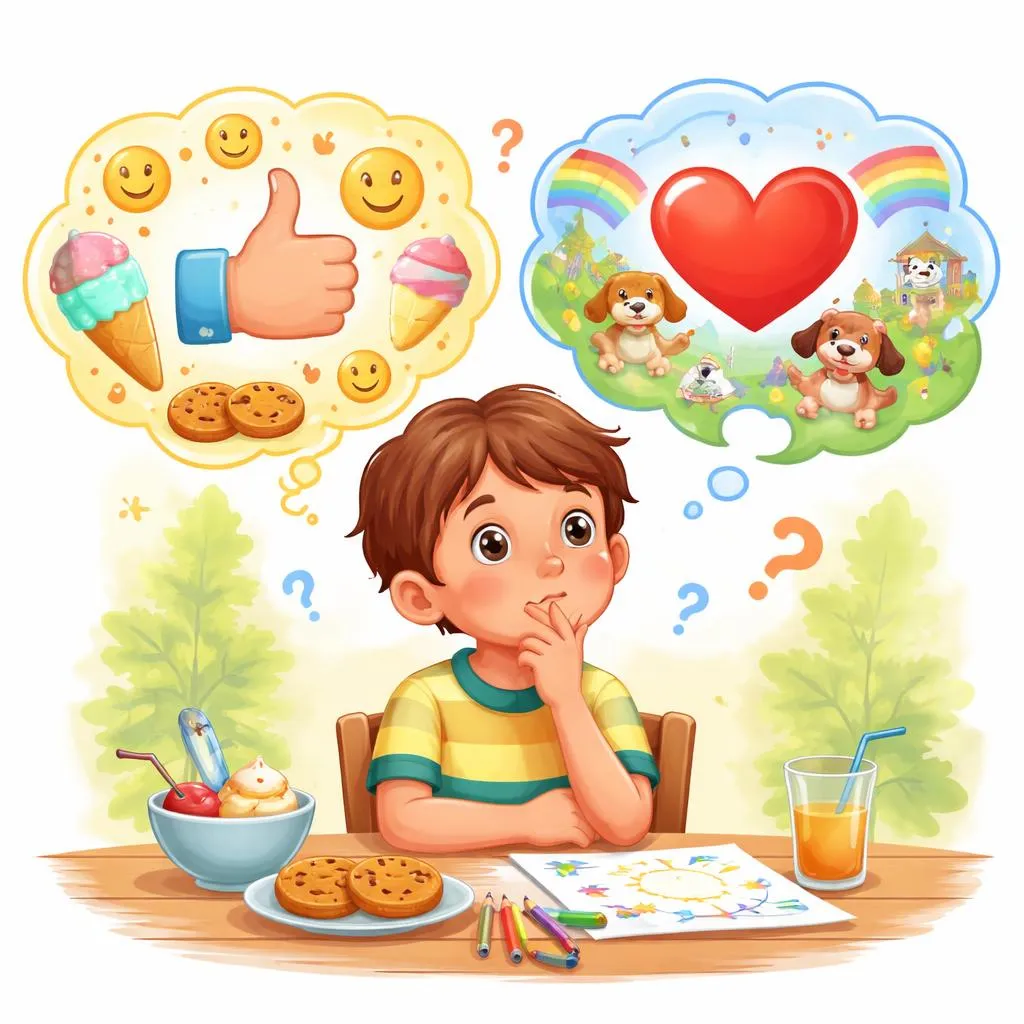
Memory tip 1: Think of a heart and a clock. “How are you?” touches the heart. Feelings live in the heart. “How’s it going?” looks at the clock. Time and actions live on the clock.
Memory tip 2: Use your hands. Place your hand on your heart for “How are you?” Point to the room or activity for “How’s it going?”
Memory tip 3: Think about the word “you” versus “it.” “You” means the person. Their feelings. Their health. “It” means everything else. Their day. Their tasks. Their play.
Memory tip 4: Draw two speech bubbles. One bubble has a smiley face inside. Write “How are you?” One bubble has a busy stick figure running. Write “How’s it going?” The pictures tell the difference.
Memory tip 5: Use the “mood or activity” rule. Ask yourself: “Do I want to know their mood?” Say “How are you?” “Do I want to know what they are doing?” Say “How’s it going?”
Practice these tips during family talks. Take turns asking each question.
Quick Practice Time Try these exercises. Parents read aloud. Children answer.
Exercise 1: Choose the best question.
Your friend just fell off a swing. They look scared. Do you ask: a) How are you? b) How’s it going?
Your sister is drawing a picture. You want to know about her art. Do you ask: a) How are you? b) How’s it going?
You see your teacher in the morning before class starts. Do you ask: a) How are you? b) How’s it going?
Answers: 1(a), 2(b), 3(a) — “how are you” is more respectful for teachers.
Exercise 2: Fill in the blank.
“__________? You missed two days of school.” (checking on feelings after sickness)
“__________ with your LEGO castle?” (asking about an activity)
Answers: 1. How are you, 2. How’s it going
Bonus: Create a “Question of the Day” jar. Write “How are you?” on five slips. Write “How’s it going?” on five slips. Each morning, pick one slip. Ask that question to everyone in the family. Notice the different answers you get.
Wrap-up Ask “How are you?” to check on someone’s feelings and health. Ask “How’s it going?” to ask about someone’s activities and daily life. Both questions build connections. Choose the one that fits the moment and the person.