
When children learn English, small words make a big difference. Saying “thank you” opens doors. It shows kindness. It builds respect. Parents and kids can learn together. Two phrases often appear: “Thank you” and “Thanks a lot”. They sound similar. But they are not the same. Understanding the difference helps children speak naturally. It also improves social skills. Let us explore these two gentle expressions.
What Do These Expressions Mean? “Thank you” is a standard way to show gratitude. People use it every day. It works anywhere. At home. At school. At a store. The meaning is clear: “I feel grateful.”
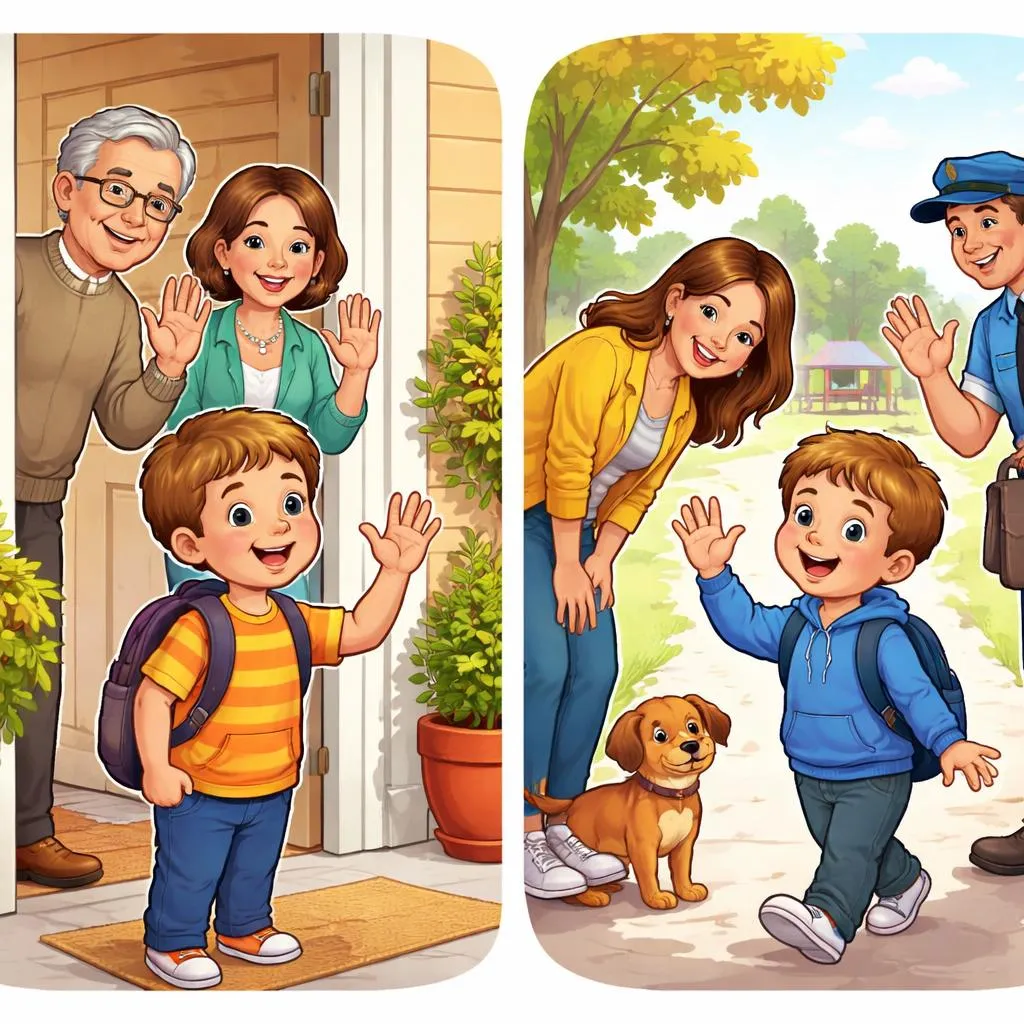
For a child, think of “thank you” as a friendly wave. It is polite. It is simple. A child can say it after receiving a snack. Or after help with homework.
“Thanks a lot” also shows gratitude. But it adds extra feeling. The word “lot” means many or much. So “thanks a lot” means “thank you very much.”
For a child, think of “thanks a lot” as a bigger hug. It feels stronger. It shows deeper thanks. Both expressions say “I appreciate you.” But one is soft. The other is strong. They seem similar because both use the word “thanks.” Yet the tone changes.
What’s the Difference? The main difference is strength. “Thank you” is neutral and calm. You can say it for small things. For big things too. It never sounds wrong.
“Thanks a lot” is warmer. It carries more emotion. Use it when someone goes out of their way. For example, a friend shares their last candy. Or a parent drives you to a party.
Another difference is formality. “Thank you” fits formal and casual situations. You can say it to a teacher. Or to a grandparent. Or to a bus driver.
“Thanks a lot” feels more casual. Friends use it often. Family members use it. But in very formal settings, “thank you very much” works better. Still, “thanks a lot” is not rude. It just feels closer.
One more point: tone of voice matters. A quiet “thanks a lot” can sound sincere. A loud “thanks a lot” can sound sarcastic. Children must learn tone. “Thank you” rarely sounds sarcastic. So it is safer for young learners.
When Do We Use Each One? Use “Thank you” in daily routines. After someone holds a door. After receiving a pencil. After a parent pours milk. After a teacher gives a sticker. After a friend shares a toy. This phrase works for most situations.
Use “Thank you” with new people. With store workers. With doctors. With visitors. It shows good manners.
Use “Thanks a lot” when you feel extra grateful. When a friend helps clean a big mess. When a grandparent gives a special gift. When someone waits for you. When someone helps find a lost toy.
Use “Thanks a lot” after a kind surprise. A parent bakes your favorite cookies. A teacher stays late to help. A friend shares lunch. The extra thanks feels good.
Also use “Thanks a lot” when someone repeats help. Example: “Thanks for helping me tie my shoes. And thanks a lot for helping again yesterday.” The extra words show you remember their kindness.
Children can practice both. Say “thank you” for small things. Save “thanks a lot” for bigger acts of kindness. This habit builds emotional awareness.
Example Sentences for Kids Here are simple sentences children can say.
Thank you:
Thank you for the red apple.
Thank you for reading me a story.
Thank you for helping me find my hat.
Thank you for the birthday card.
Thank you for waiting for me.
Thanks a lot:
Thanks a lot for sharing your crayons.
Thanks a lot for pushing me on the swing.
Thanks a lot for fixing my broken toy.
Thanks a lot for carrying my heavy bag.
Thanks a lot for teaching me that song.
Parents can read these aloud. Children can repeat them. Try using one new sentence each day. Soon saying thanks becomes a happy habit.
Common Mistakes to Avoid Some children mix up the two phrases. That is normal. Here are common errors.
Mistake 1: Using “thanks a lot” for every small thing. Example: A friend passes a tissue. “Thanks a lot!” This sounds too strong. It might confuse people. Correct: “Thank you” for the tissue. Save “thanks a lot” for bigger helps.
Mistake 2: Saying “thanks a lot” in a flat, bored voice. That voice can sound like sarcasm. People may think you are not sincere. Correct: Smile and use a warm voice. Or use “thank you” with a nod.
Mistake 3: Forgetting to say anything. Some children feel shy. They stay quiet. But silence can feel unkind. Correct: Even a soft “thank you” is better than silence. Parents can model this.
Mistake 4: Saying “thanks much” instead of “thanks a lot.” “Thanks much” is not common in everyday English. It sounds awkward. Correct: “Thanks a lot” or “thank you very much.”
Mistake 5: Using “thanks a lot” when angry. Example: A child drops ice cream. They say “thanks a lot” to the wind. That is sarcasm. Young learners should avoid this. Stick to kind uses only.
Teach children that both phrases are gifts. Give them with a smile. That is never wrong.
Easy Memory Tips Here are fun ways to remember the difference.
Memory tip 1: Think of a small cup and a big cup. “Thank you” is a small cup of water. It is enough for daily thirst. “Thanks a lot” is a big cup. You use it when you are very thirsty. Same feeling, bigger size.
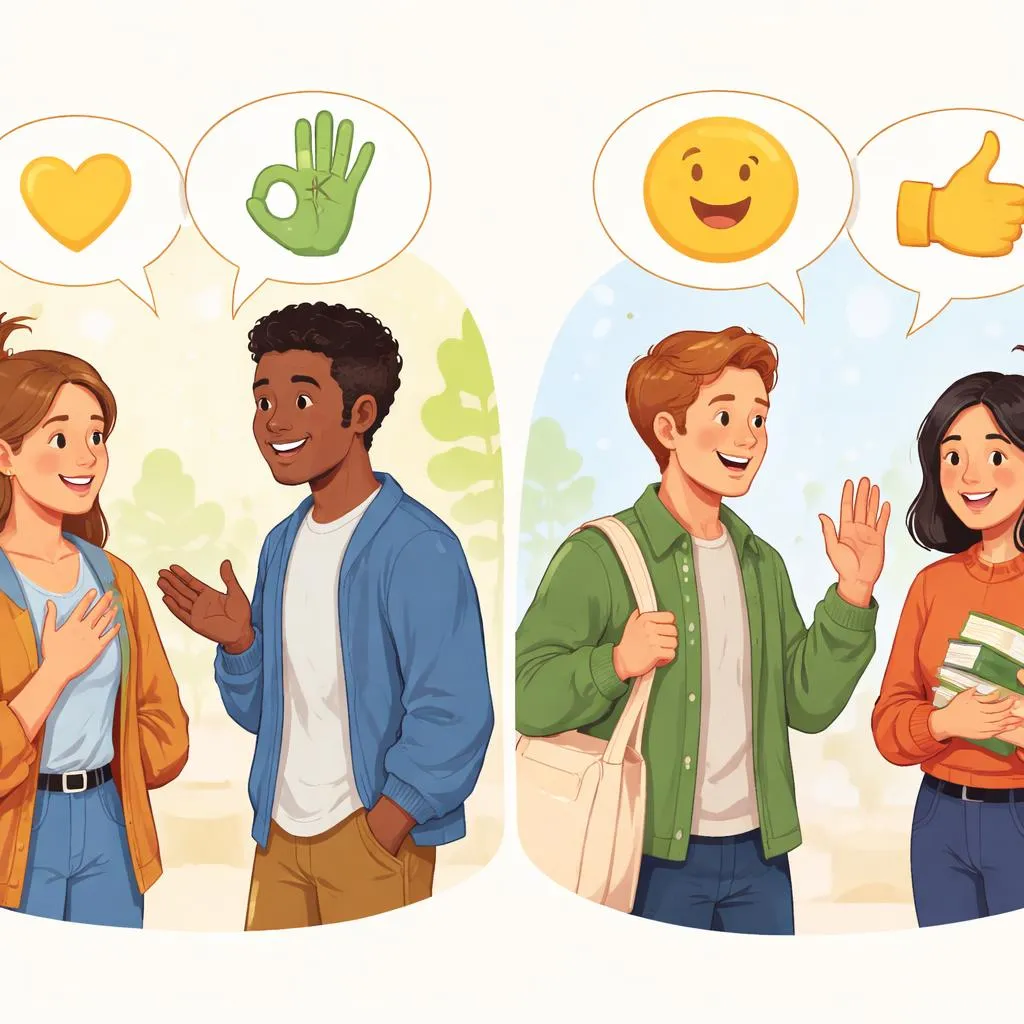
Memory tip 2: Draw a happy face. One small smile = “thank you.” One huge smile with wide eyes = “thanks a lot.” The face shows the feeling. Kids can draw both faces. Then say the phrases.
Memory tip 3: Use a hand signal. A small wave = “thank you.” Two hands waving together = “thanks a lot.” The body helps the memory. Practice together.
Memory tip 4: Connect to love. Say “thank you” to people you like. Say “thanks a lot” to people you really love or really appreciate. Feelings guide the choice.
These tricks turn grammar into play. Children remember better when they feel and move.
Quick Practice Time Try these simple exercises. Parents can read aloud. Children can answer.
Exercise 1: Choose the best phrase.
Your mom packs your favorite lunch. You feel very happy. Do you say: a) Thank you b) Thanks a lot
A classmate lends you one pencil. No big deal. Do you say: a) Thank you b) Thanks a lot
Your dad stays up late to fix your bike. You feel very grateful. Do you say: a) Thank you b) Thanks a lot
Answers: 1(b), 2(a), 3(b)
Exercise 2: Fill in the blank.
__________ for the cookie. (small help)
__________ for helping me practice my English every night. (big help)
Answers: 1. Thank you, 2. Thanks a lot
Bonus: Say each sentence out loud. Change your voice. Make “thank you” soft. Make “thanks a lot” warm and big. Hear the difference.
Practice for two minutes each day. Soon the right phrase will come naturally.
Wrap-up “Thank you” works for everyday kindness. “Thanks a lot” adds extra warmth for bigger acts of gratitude. Both help children grow into polite, caring people.