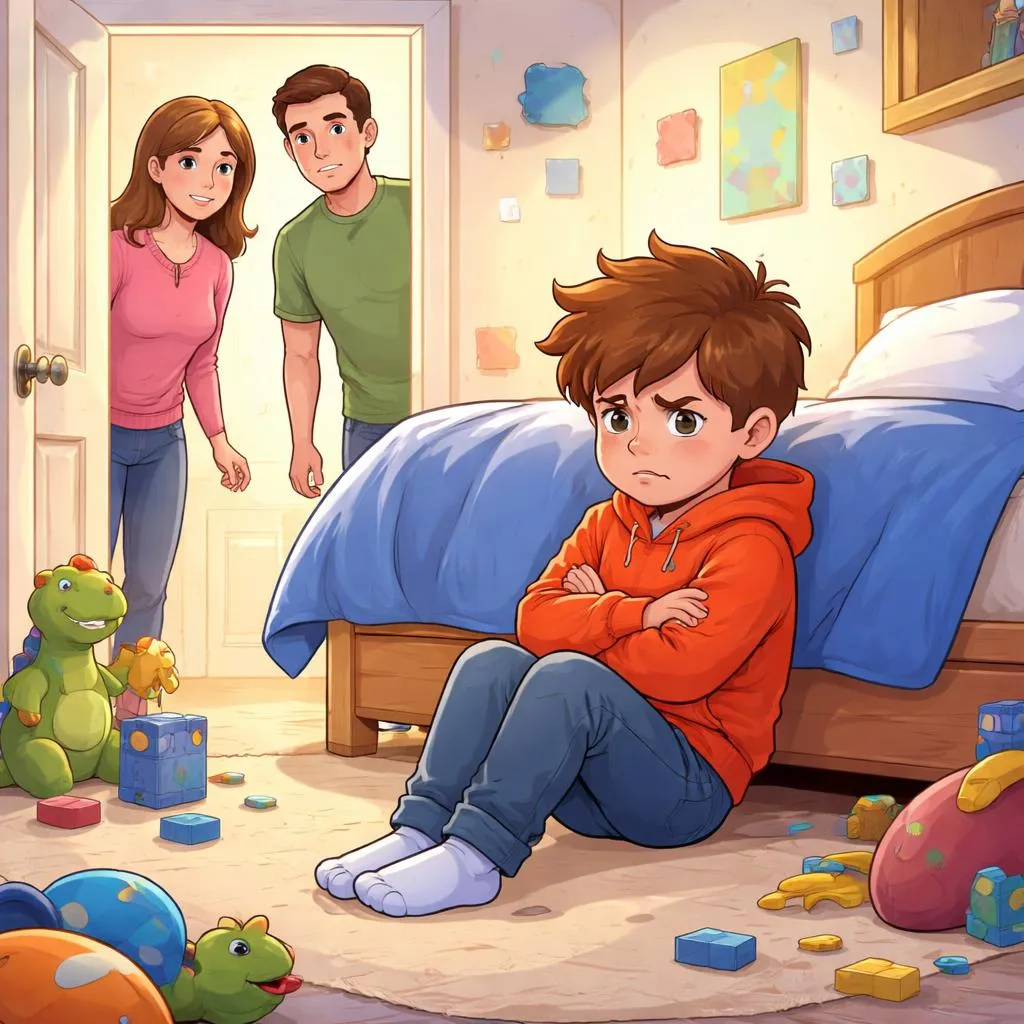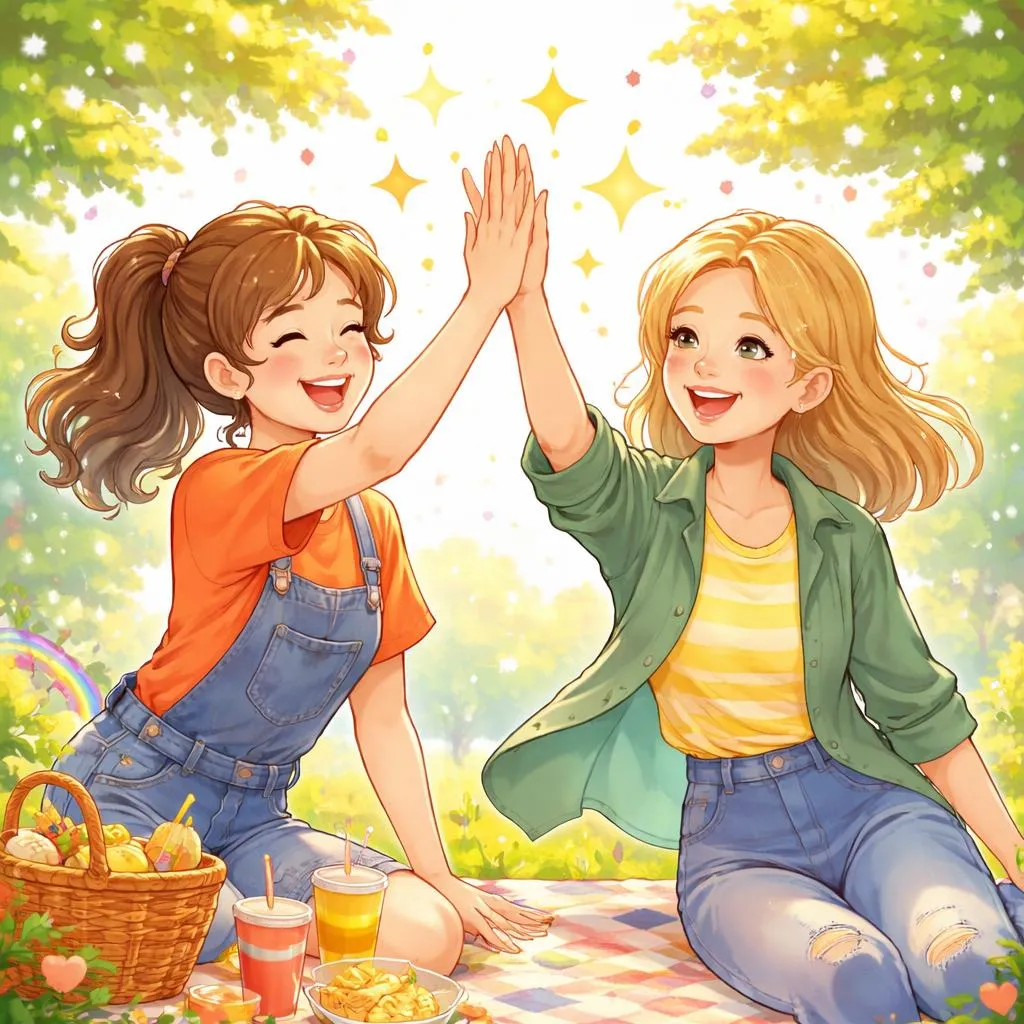

You have two cookies. Your friend has two cookies. You have the same.
That is equal. Today we learn four words.
“Equal,” “equality,” “equally,” and “unequal.”
Each word shares the idea of being the same in size or value. Each does a different job.
Parents and children can learn these words together. They help with fairness.
What Does “Same Word, Different Forms” Mean?
One idea takes different shapes. The idea here is sameness or balance.
“Equal” is an adjective. “The two lines are equal in length.” Describes.
“Equal” is also a verb. “Two plus two equals four.” Action.
“Equality” is a noun. “Equality means everyone gets the same chance.” State.
“Equally” is an adverb. “Share the candy equally.” Describes a verb.
“Unequal” is an adjective. “An unequal split is unfair.” Opposite.
Same root. Different endings. Different jobs. The sameness stays.
Personal Pronouns Change Their Form
Pronouns change for grammar. “I” becomes “me.” “We” becomes “us.”
Our words change for role and description. “The parts are equal.” Describes.
“Equality matters.” Noun. “Divide equally.” How.
“The pieces are unequal.” Opposite.
Pronouns help us speak faster. Word families help us talk about fairness.
When children know these four words, they understand sharing.
From Verb to Noun to Adjective to Adverb – One Family, Many Words
“Equal” works as an adjective. “An equal number of boys and girls.” Describes.
“Equal” also works as a verb. “Ten minus five equals five.” Action.
“Equality” is a noun. “Women fought for equality.” Fairness.
“Equally” is an adverb. “Treat all students equally.” Describes.
“Unequal” is an adjective. “Unequal pay is not fair.” Opposite.
We have no other forms.
Five members. Essential for math and social studies.
One Root, Many Roles – How Words Grow from Actions to Qualities
The root “equal” comes from Latin “aequalis,” meaning even or level.
From that root, we add “-ity” to make a noun. “Equality” means the state of being equal.
We add “-ly” to make an adverb. “Equally” means in an equal way.
We add “un-” as a prefix to make the opposite. “Unequal” means not equal.
Help your child see this pattern. Equal is the quality or equation. Equality is the principle. Equally tells how. Unequal means not the same.
Same Meaning, Different Jobs – Is It a Verb or a Noun?
Look at “equal” in a sentence. Ask: Is it describing? Or is it an equation?
“The two piles are equal.” Describing. Adjective.
“Seven plus three equals ten.” Equation. Verb.
Same word. Two jobs. Context tells you.
Now look at “equality.” Always a noun. “Equality is a human right.”
“Equally” is always an adverb. “Divide the dough equally.”
“Unequal” is always an adjective. “The fight was unequal because one person was much bigger.”
Teach children that “equal” as a verb is about math. “Equal” as an adjective is about fairness.
Adjectives and Adverbs – When Do We Add -ly?
We add “-ly” to “equal” to make “equally.” This is the rule.
Adjective + ly = adverb. “Equal” + “ly” = “equally.”
Example: “The shares are equal.” Adjective. “Share the snack equally.” Adverb.
We do not add “-ly” to “equality” or “unequal.”
For children, “equally” is a very useful word.
Watch Out for Tricky Spelling Changes (Double Letters, y to i, and More)
Spelling has one change. For “equality,” change “a” to “i”? No. “Equal” + “ity” = equality. Keep the “a.” Drop the “? No dropping. Equal + ity = equality. The “u” stays.
“Unequal” is “un” + “equal.”
No double letters. No y to i.
Practice with your child. Write “equal.” Add “ity.” You get “equality.” Add “ly.” You get “equally.” Add “un” in front. You get “unequal.”
Very clean.
Let’s Practice – Can You Choose the Right Form?
Try these sentences. Fill in the blank with equal, equality, equally, or unequal.
The two pieces of string are _____. (adjective)
_____ means fairness for all. (noun)
Please share the berries _____. (adverb)
The game was _____. One team was much stronger. (adjective, opposite)
Five plus two _____ seven. (action verb)
All people deserve _____. (noun)
The teacher treats every student _____. (adverb)
The contest had _____ teams, so it was fair. (adjective)
Answers: 1 equal, 2 Equality, 3 equally, 4 unequal, 5 equals, 6 equality, 7 equally, 8 equal.
Number 2 starts with a capital letter because it begins the sentence.
Number 5 uses “equals” as the verb (third person singular).
Tips for Parents – Help Your Child Learn Word Families in a Fun Way
Point to equal parts. “The two halves are equal.”
Talk about equality. “Equality means everyone is treated fairly.”
Use equally for sharing. “Let us share the candy equally.”
Notice unequal things. “One piece is larger. That is unequal.”
Play a game. You break a cookie into two parts. Your child says “equal” or “unequal.”
Read a book about fairness. “The Fairness Book” by Peter H. Reynolds.
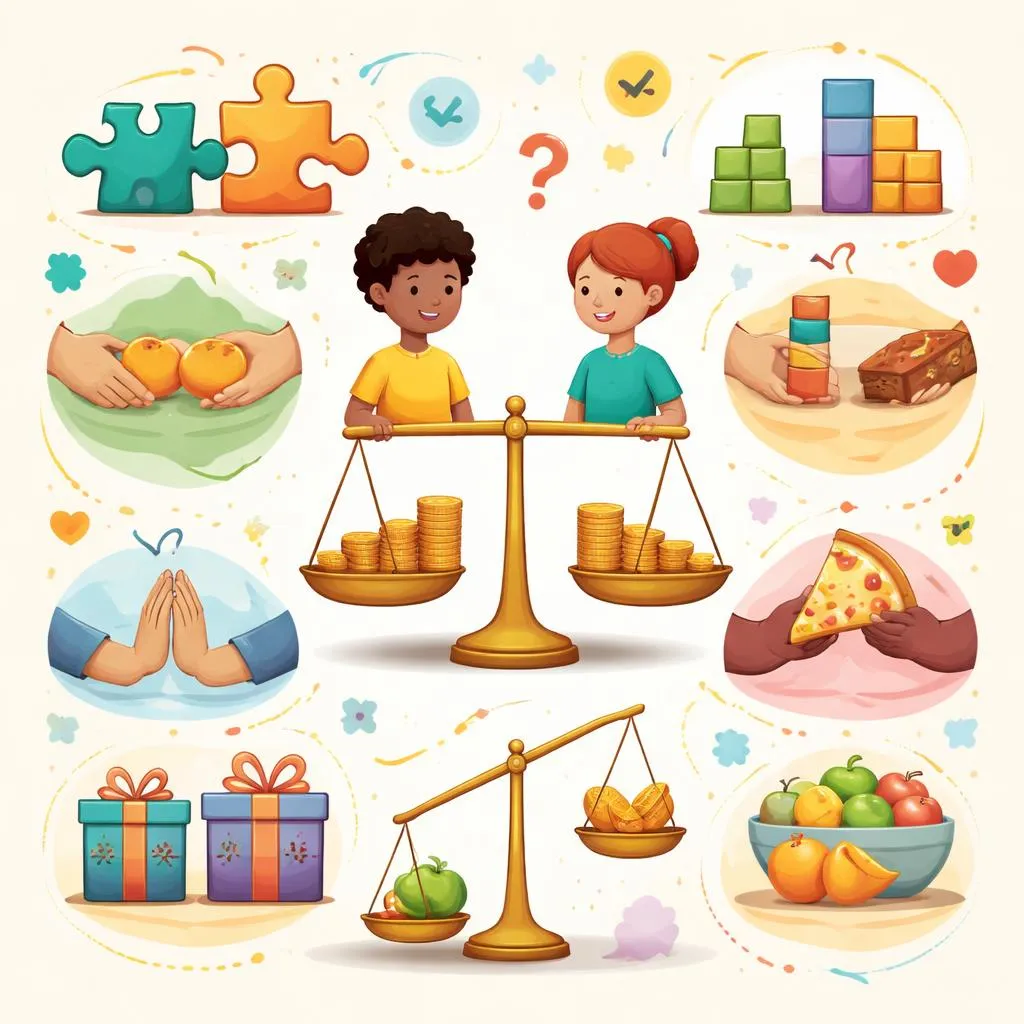
Draw equal and unequal scales. A balanced scale is equal. An unbalanced scale is unequal.
Do not correct every mistake. If your child says “equal” for “equally,” gently say “The slices are equal. You cut them equally.”
Celebrate when your child uses “equality.” That word is big and important.
Explain that “equal” as a verb is used in math. “Two plus two equals four.”
Tomorrow you will see equal piles of laundry. You will talk about equality in your family. You will share equally. You will fix an unequal distribution of toys.
Your child might say “We are all equal in this house.” You will hug them.
Keep noticing equal things. Keep valuing equality. Keep sharing equally. Keep fixing unequal situations.
Your child will grow in language and in justice. Equal is a simple word with deep meaning. Words help us live it.