
One small word can mean many things. “Bow” is such a word.
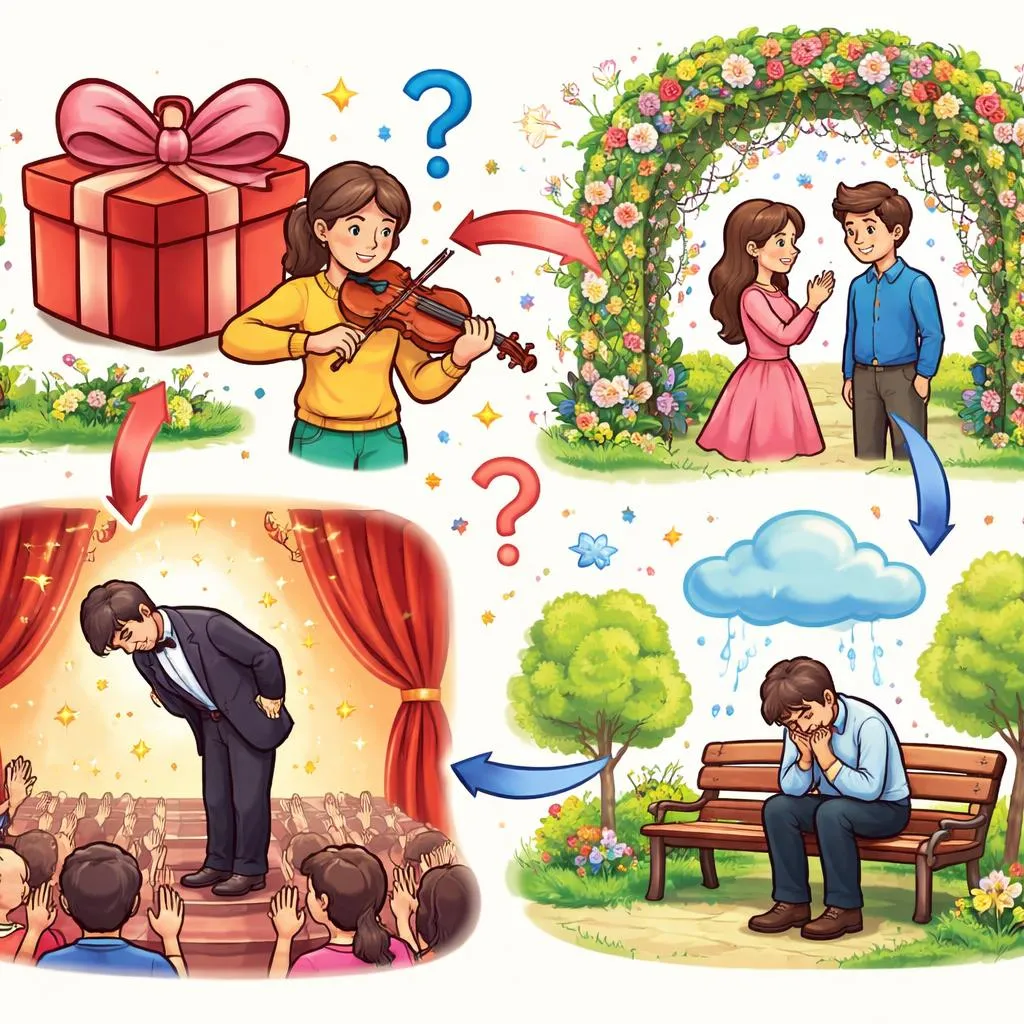
It can mean bending your body. It can mean a weapon. It can mean a knot with loops.
Today we add more family members. “Bower,” “bowing,” and “bowed.”
These words share a shape. But they have different jobs.
Parents and children can discover them together. Let us begin.
What Does “Same Word, Different Forms” Mean?
The root here is “bow.” But “bow” has two different sounds. And many meanings.
One “bow” rhymes with “cow.” It means to bend forward. Or a decorative knot.
Another “bow” rhymes with “go.” It means a weapon for arrows. Or a long stick for a violin.
“Bower” is a noun. It means a shady place under trees. A garden shelter.
“Bowing” is the action of bending forward. “Bowed” describes something that has bent.
Same letters. Different sounds. Different jobs. Context tells you everything.
Personal Pronouns Change Their Form
Pronouns change for grammar. “I” becomes “me.” “He” becomes “him.”
Our words change for action or place. “I bow” means I bend. “My bower” means my shady spot.
“You are bowing” means you are bending now. “The tree is bowed” means it has bent over time.
Pronouns help us speak faster. Word families help us show respect or describe nature.
When children learn to listen to context, confusion disappears.
From Verb to Noun to Adjective to Adverb – One Family, Many Words
“Bow” (rhymes with cow) works as a verb. “We bow before the king.” Action.
“Bow” (same sound) works as a noun. “She tied a bow in her hair.” Thing.
“Bow” (rhymes with go) is a noun. “He shoots arrows with a bow.” Weapon.
“Bower” is a noun. “The birds hid in a leafy bower.” Place.
“Bowing” is a verb form or adjective. “The bowing musician finished his song.” Action or description.
“Bowed” is an adjective or past verb. “His bowed head showed sadness.” Describes.
No common adverb here. That is fine. We have plenty to learn.
One Root, Many Roles – How Words Grow from Actions to Qualities
The root “bow” comes from Old English “būgan.” It meant to bend. Old English “boga” meant a curved thing.
From “bend” we got the body bow. From “curve” we got the weapon bow. From both we got the ribbon bow.
“Bower” comes from Old English “būr.” It meant a dwelling. A curved shelter made of bent branches.
“Bowed” keeps the original bend meaning. A bowed head. A bowed tree. A bowed violin string.
Help your child see this history. Ancient people bent wood to make bows. They bent their bodies to show respect. They bent branches to make bowers.
Same Meaning, Different Jobs – Is It a Verb or a Noun?
Look at “bow” in a sentence. Listen to the sound. The sound tells you the meaning.
“Please bow to your partner.” Rhymes with cow. Verb.
“I bought a bow for my present.” Rhymes with cow. Noun. A ribbon bow.
“He used a bow and arrow.” Rhymes with go. Noun. A weapon.
Now look at “bower.” Always a noun. “We rested in a cool bower.”
“Bowing” is a verb or adjective. “The bowing man showed respect.” “Bowing” describes the man.
“Bowed” is an adjective or past verb. “She bowed her head.” Past action. “A bowed branch.” Description.
Teach children to listen for the sound. And look at the sentence position.
Adjectives and Adverbs – When Do We Add -ly?
We can add “-ly” to “bowing.” It becomes “bowingly.” Very rare. Skip it.
We can add “-ly” to “bowed.” “Bowedly” does not exist.
This family does not need adverbs. The words are clear on their own.
Focus on the nouns and verbs first. Then the adjectives.
“Bowing” for an action happening now. “Bowed” for a result or description. “Bower” for a peaceful place.
That is enough for young learners.
Watch Out for Tricky Spelling Changes (Double Letters, y to i, and More)
Spelling here is simple. No double letters. No y to i changes.
“Bow” adds “-er” to make “bower.” Just add. Keep all letters.
“Bow” adds “-ing” to make “bowing.” Also just add. No dropping.
“Bow” adds “-ed” to make “bowed.” Add and go. Very easy.
The tricky part is not spelling. The tricky part is sound.
Same spelling. Two sounds. Many meanings.
This is called a homograph. Same written form. Different pronunciation. Different meaning.
Praise your child when they notice. “Hey, bow has two sounds!” That is a big discovery.
Let’s Practice – Can You Choose the Right Form?
Try these sentences. Fill in the blank with bow, bower, bowing, or bowed.
Please _____ your head when you meet the queen. (action, rhymes with cow)
She tied a red _____ in her pony’s tail. (noun, ribbon, rhymes with cow)
The archer pulled the _____ string tightly. (noun, weapon, rhymes with go)
We sat in a shady _____ on a hot summer day. (place)
The _____ flowers touched the ground after the storm. (adjective, bent)
The _____ man showed respect to the teacher. (adjective, bending forward)
The orchestra kept _____ even after the song ended. (action, bending)
His _____ head told me he felt sorry. (adjective, bent down)
Answers: 1 bow, 2 bow, 3 bow, 4 bower, 5 bowed, 6 bowing, 7 bowing, 8 bowed.
For number 1, sound rhymes with cow. For number 3, sound rhymes with go. Same spelling. Different meaning.
How did your child do with the two sounds? This takes time.
Tips for Parents – Help Your Child Learn Word Families in a Fun Way
Use your body. Bow to each other before dinner. Say “I bow to you.”
Show a ribbon bow. Tie one on a gift. Say “Look at this pretty bow.”
Visit an archery range or look at pictures. Say “That is a bow for shooting arrows.”
Build a bower at home. Put a blanket over chairs. Add pillows. Call it your leafy bower.
Read stories with kings and queens. They always bow. Act it out.
Draw a bowed tree. A tree bent by wind. A tree heavy with snow.
Play a sound game. Say “bow” two ways. Ask your child which meaning you intend.
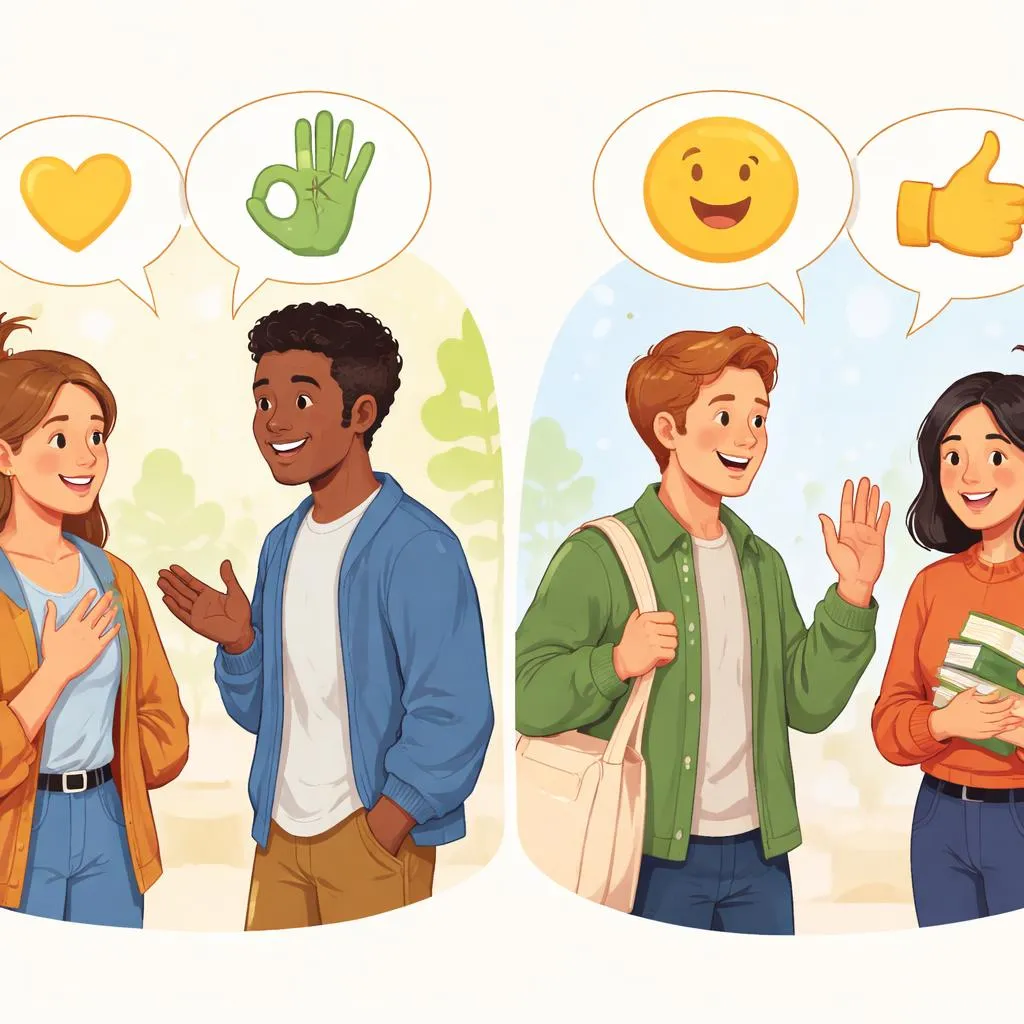
Use hand signs. Hand on heart for respect bow. Fingers pulling string for weapon bow.
Do not worry about mistakes. Many adults mix up the two sounds.
Read poems about nature. Many mention bowers. “Come live with me in my leafy bower.”
Celebrate when your child uses “bowed” correctly. “You said the flowers bowed. That is beautiful English.”
Remember that some words are hard. That is okay. The struggle teaches patience.
Tomorrow you will see a bow in a gift shop. You will hear bow in a movie. You will find a bower in a garden book.
Your child might say “That actor bowed on stage.” You will smile. They understand.
Keep playing. Keep reading. Keep bending and tying and shooting. Your child will grow in language and in curiosity.