
Saying sorry fixes small hurts. It mends friendships. It shows courage. Children learn this early. Two common phrases help them say sorry. “I’m sorry” and “My apologies.” They sound similar. But they work differently. Parents and kids can explore these phrases together. Let us find the right moment for each one.
What Do These Expressions Mean? “I’m sorry” expresses regret. You use it when you make a mistake. You use it when someone feels sad. The message is: “I feel bad about what happened.”
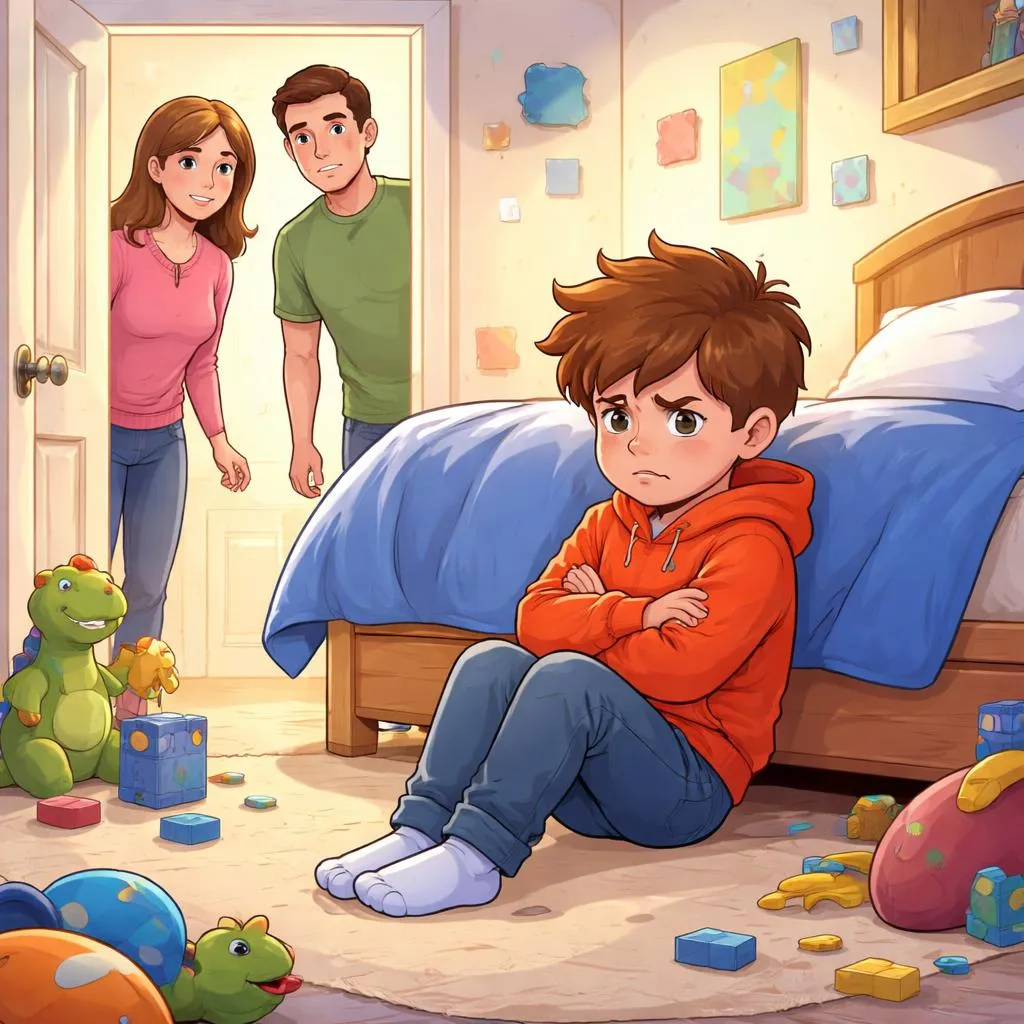
For a child, think of a bandage. “I’m sorry” covers a small wound. It makes the hurt feel better. It is warm and direct.
“My apologies” also expresses regret. But it sounds more formal. The word “apologies” means saying sorry in a polite way. It often works in writing or serious moments.
For a child, think of a bow. “My apologies” is like a small bow. It shows respect. It feels a little grown-up. Both phrases mean “I did something wrong.” Yet one feels closer. The other feels more proper. They seem similar because both admit fault. But their tone changes the mood.
What’s the Difference? The main difference is warmth. “I’m sorry” feels personal. You say it to a friend. To a sibling. To a parent. It comes from the heart.
“My apologies” feels distant. It works for strangers. For adults. For formal letters. It is correct but cooler.
Another difference is length. “I’m sorry” is short and quick. You say it in one second. “My apologies” takes more time. It sounds more thoughtful but less emotional.
One more difference is how you use each one. “I’m sorry” works for small and big mistakes. You step on a toe. Say “I’m sorry.” You break a toy. Say “I’m sorry.” It fits everything.
“My apologies” works better for small formal mistakes. You bump into someone on a bus. “My apologies.” You send a late email. “My apologies.” For big emotional hurts, “my apologies” can sound cold. A child who breaks a friend’s heart needs “I’m sorry.”
Also, “I’m sorry” can show sadness. “My apologies” shows politeness. Teach children to match the feeling to the phrase.
When Do We Use Each One? Use “I’m sorry” with people you love. At home. With close friends. After an argument. After a mistake. After forgetting a promise.
Use “I’m sorry” when feelings matter most. A friend cries. Say “I’m sorry.” A sibling feels left out. Say “I’m sorry.” A parent looks tired. Say “I’m sorry for being loud.”
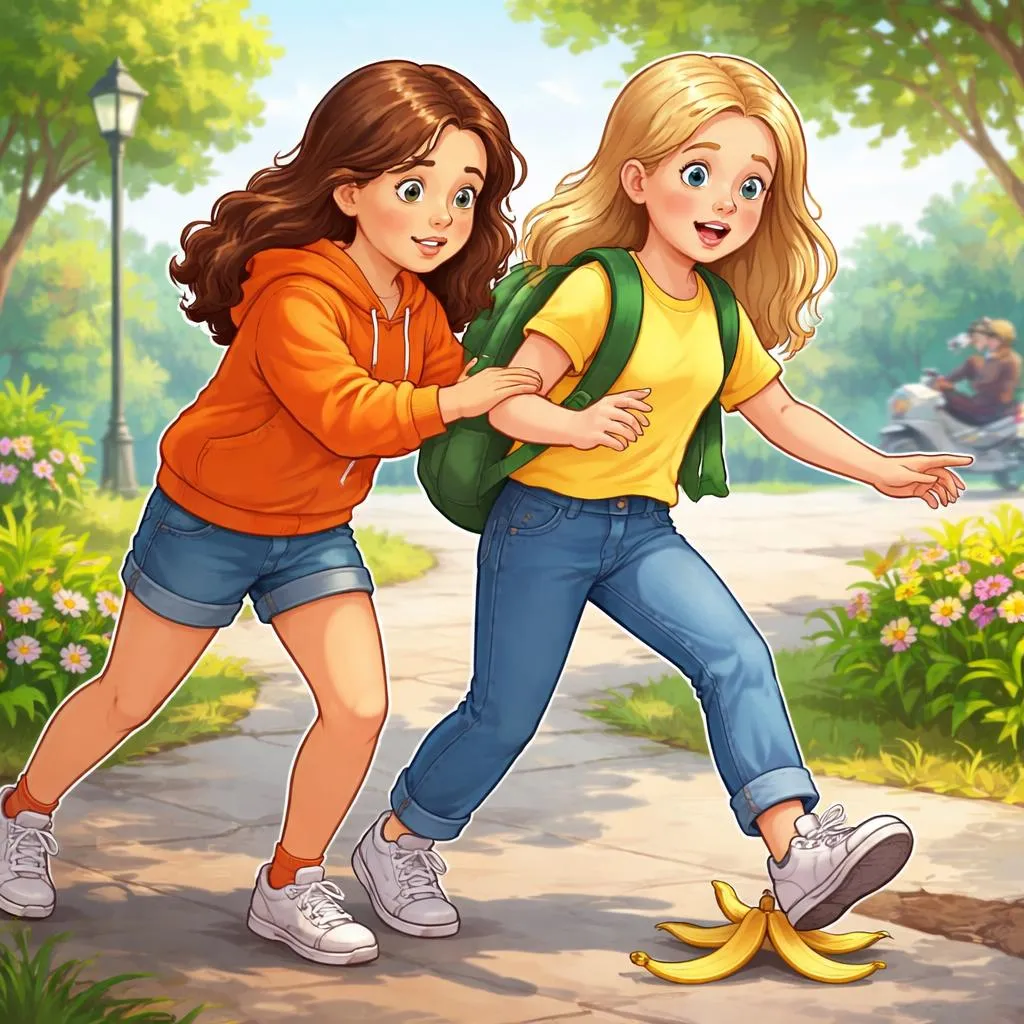
Use “I’m sorry” for accidents. You spill milk. You knock over a tower of blocks. You call someone the wrong name. “I’m sorry” fixes these quickly.
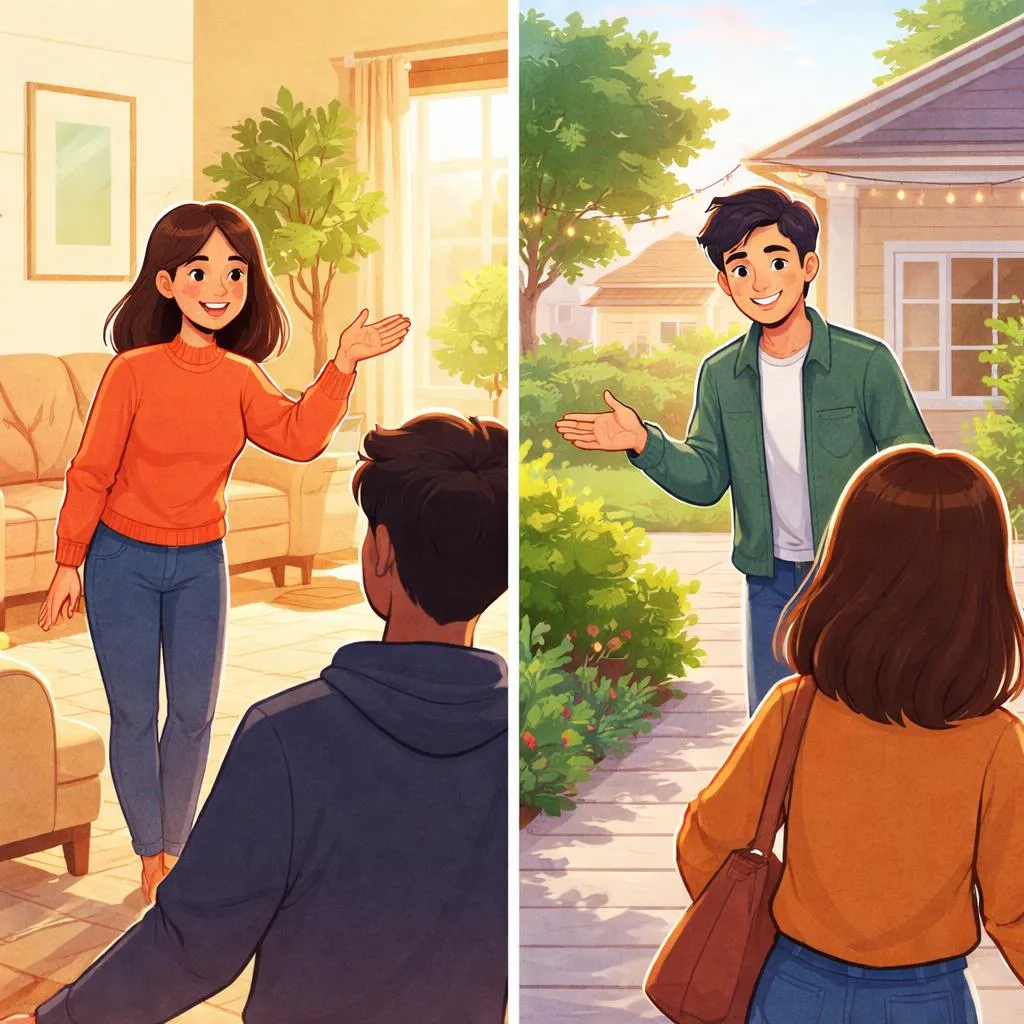
Use “My apologies” in formal places. At a school office. To a principal. To a guest. To someone you just met.
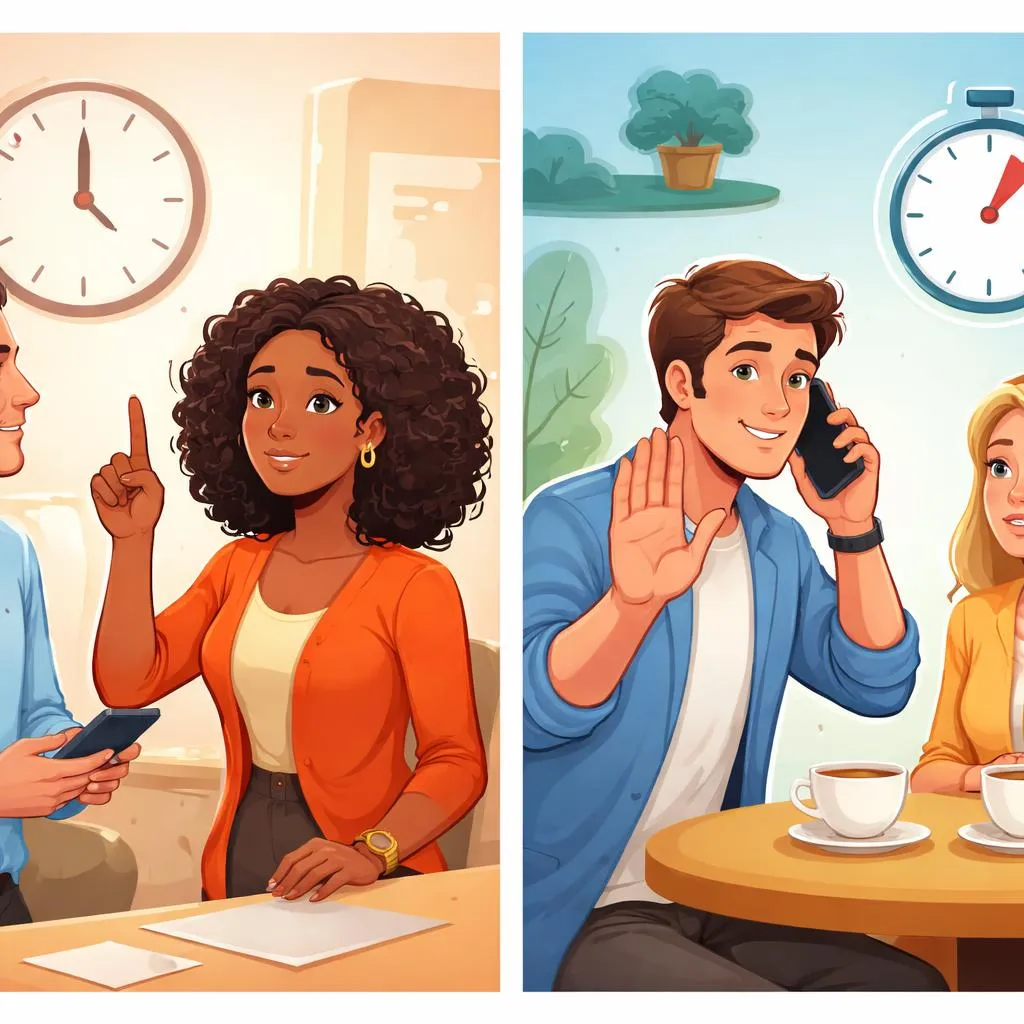
Use “My apologies” for small rule breaks. You arrive late to a meeting. You forget to return a book. You interrupt an adult. “My apologies” shows respect.
Use “My apologies” in writing. In an email to a teacher. In a note to a neighbor. In a card to a coach. Written apologies sound better with “my apologies.”
Parents can help children choose. Say “Use ‘I’m sorry’ with family and friends. Use ‘my apologies’ with adults you do not know well.” This simple rule works.
Example Sentences for Kids Here are simple sentences children can say.
I’m sorry:
I’m sorry I took your pencil without asking.
I’m sorry I pushed you on the playground.
I’m sorry I forgot your birthday.
I’m sorry I laughed when you fell.
I’m sorry I did not share my snack.
My apologies:
My apologies for bumping into you.
My apologies for being late to class.
My apologies for interrupting your conversation.
My apologies for leaving the door open.
My apologies for using your crayon without asking.
Read each sentence aloud. Notice how “I’m sorry” feels warmer. Notice how “my apologies” feels more formal. Practice both with a smile.
Common Mistakes to Avoid Children often mix these phrases. Here are common errors.
Mistake 1: Using “my apologies” for a big emotional hurt. Example: A child breaks a friend’s favorite toy. They say “My apologies.” The friend still feels sad. It sounds like the child does not care. Correct: Say “I’m so sorry I broke your toy. That was wrong.”
Mistake 2: Using “I’m sorry” too much for tiny things. Example: A child says “I’m sorry” for every sneeze. For every blink. Then “I’m sorry” loses its power. Correct: Save “I’m sorry” for real mistakes. Use “excuse me” for small interruptions.
Mistake 3: Saying “my apologies” without a warm face. A flat voice with “my apologies” sounds like a robot. People feel worse. Correct: Look at the person. Nod. Say it gently.
Mistake 4: Forgetting to explain why. A child says “I’m sorry” but does not say what they did wrong. The other person stays confused. Correct: Say “I’m sorry for grabbing your toy.” Be specific.
Mistake 5: Using “my apologies” with close family. “My apologies, Mom” feels strange. Mom wants “I’m sorry, Mom.” Teach children to match the relationship.
Easy Memory Tips Here are simple memory tricks.
Memory tip 1: Think of a hug and a handshake. “I’m sorry” is a hug. It feels close and warm. “My apologies” is a handshake. It feels respectful but distant.
Memory tip 2: Use your voice. Drop your voice low and soft for “I’m sorry.” Keep your voice steady and polite for “my apologies.”
Memory tip 3: Connect to the other person. If you know them well, say “I’m sorry.” If you just met them, say “my apologies.”
Memory tip 4: Draw two faces. One face has tears. Write “I’m sorry” next to it. One face has a straight mouth. Write “my apologies” next to it. The tears show emotion. The straight mouth shows politeness.
Practice these tips during pretend play. Act out a mistake. Say the right apology.
Quick Practice Time Try these exercises. Parents read aloud. Children answer.
Exercise 1: Choose the best phrase.
You accidentally step on your best friend’s foot. They say “Ouch!” Do you say: a) I’m sorry b) My apologies
You arrive five minutes late to a school meeting with the principal. Do you say: a) I’m sorry b) My apologies
You forget to return a book to the library. The librarian looks upset. Do you say: a) I’m sorry b) My apologies
Answers: 1(a), 2(b), 3(a) — for the librarian, warm works better because feelings matter.
Exercise 2: Fill in the blank.
“__________ for breaking your necklace. I feel terrible.” (close friend)
“__________ for arriving after the start time.” (formal setting)
Answers: 1. I’m sorry, 2. My apologies
Bonus: Role-play three scenarios. Bump into a stranger. Bump into your mom. Forget to feed the pet. Say the right apology each time. Talk about how each phrase makes the other person feel.
Wrap-up Use “I’m sorry” for warm, honest apologies with people you love. Use “my apologies” for formal situations or small mistakes with strangers. Both show good manners. Choose the one that matches your heart and the moment.